Automotive Repair Workwear Must Resist Oil, Chemicals, and Mechanical Abrasion
Automotive repair shops expose workers to oil, grease, solvents, brake fluid, coolant, and mechanical abrasion from tools and vehicle components. Standard workwear fabrics absorb these contaminants, creating stains that don't wash out, degrading fabric fibers, and losing professional appearance within weeks. This article covers the fabric selection criteria that resist oil and chemical absorption, the construction features that prevent mechanical failure in high-wear areas, and the zone-based specification that matches garment coverage to service bays, customer-facing areas, and parts storage.
Buyer context
What procurement teams run into
Automotive repair shops — servicing passenger vehicles, commercial trucks, motorcycles, and industrial equipment — expose workers to simultaneous oil, chemical, and mechanical hazards that degrade standard workwear fabrics rapidly. Workers contact engine oil, gear oil, brake fluid, power steering fluid, coolant, solvents (brake cleaner, carburetor cleaner, degreaser), gasoline, and diesel fuel throughout every shift. Workers handle sharp metal parts (brake rotors, suspension components, exhaust systems), abrasive materials (rust, scale, gasket material), and tools (wrenches, ratchets, impact guns) that create mechanical wear on garments. The mechanism: **1. Oil and chemical absorption degrades fabric fibers and creates permanent staining** Standard workwear fabrics — cotton and cotton-blend — absorb oil and chemical contaminants into fiber structure. Engine oil, gear oil, and grease penetrate cotton fibers and create hydrophobic stains that resist removal through industrial laundering. Brake fluid (glycol-based) and solvents (chlorinated or petroleum-based) chemically degrade cotton fibers, breaking down cellulose structure and reducing fabric tensile strength. Coolant (ethylene glycol) and gasoline create stains that bond to fabric fibers and persist after washing. The root cause: standard workwear fabrics are not designed for oil and chemical resistance. Cotton fibers absorb oil and chemicals, creating stains that don't wash out and chemical degradation that weakens fabric. Synthetic fabrics (polyester, nylon) resist absorption better but still stain and can be degraded by strong solvents. **2. Mechanical abrasion from sharp parts and tools tears and punctures fabric** Automotive repair workers handle sharp metal parts throughout every shift: brake rotors with sharp edges, suspension components with burrs, exhaust system brackets with sharp corners, engine components with rough casting surfaces. These sharp objects abrade fabric surfaces, puncture fabric, and tear fabric at stress points. Workers also use tools (wrenches, ratchets, impact guns, pry bars) that create mechanical wear on garment surfaces — tool handles abrade fabric at hands and forearms, tool belts abrade fabric at waist, metal tool surfaces scratch and puncture fabric in pockets. The root cause: standard workwear fabrics are not designed for mechanical abrasion resistance in automotive repair environments. Lightweight fabrics (below 250 gsm) and loose-weave fabrics puncture and tear easily when workers handle sharp metal parts and tools. High-wear areas (knees, elbows, pockets, waist) fail mechanically within weeks rather than months. **3. Garment construction features create mechanical failure points and contamination traps** Standard workwear construction includes features that create mechanical failure points and contamination traps in automotive repair environments: - **External pockets with flaps:** sharp metal parts (bolts, nuts, clips, fasteners) fall into pockets and puncture pocket fabric from inside. Pocket flaps create crevices where oil and grease accumulate, creating stains that resist laundering. Sharp objects in pockets abrade pocket fabric, creating mechanical failure. - **Knee areas:** workers kneel on concrete floors, under vehicles, and around wheels throughout shifts. Standard knee areas lack reinforcement, creating rapid fabric degradation from concrete abrasion and sharp metal contact. - **Elbow areas:** workers lean on workbenches, vehicle fenders, and equipment surfaces. Standard elbow areas lack reinforcement, creating rapid fabric degradation from abrasive contact. - **Waist and belt lines:** tool belts abrade fabric at waist throughout shifts. Standard waist areas lack reinforcement, creating rapid fabric degradation from tool belt friction. - **Cuffs and wrist closures:** oil and grease accumulate at cuffs when workers reach into engines and components. Standard cuffs absorb contaminants and create stains that resist laundering. Elastic cuffs stretch out from repeated contact with sharp objects, losing closure integrity. The root cause: standard workwear construction is optimized for general utility — not for mechanical abrasion resistance and contamination management in automotive repair environments. Garment features that create high-wear areas and contamination traps accelerate degradation. **4. Temperature variation requires garments that adapt to indoor and outdoor work** Automotive repair workers move between indoor service bays (temperature-controlled or uncontrolled) and outdoor areas (vehicle pickup, delivery, parking lots). In summer, outdoor areas reach 35-45°C with direct sun exposure. In winter, outdoor areas reach 0-10°C with wind chill. Indoor service bays may be heated or unheated. Workers need garments that provide comfort across this temperature range without requiring complete garment changes throughout the shift. The root cause: standard workwear fabrics don't adapt to temperature variation. Heavyweight fabrics (above 300 gsm) provide adequate warmth in winter but cause overheating in summer. Lightweight fabrics (below 200 gsm) provide comfort in summer but insufficient warmth in winter. Workers wear inappropriate garments for temperature conditions, creating comfort and productivity issues. **5. Customer-facing areas require professional appearance** Automotive repair shops have customer-facing areas (service counters, waiting areas, vehicle handover) where workers interact with customers. Workers in these areas need garments that maintain professional appearance — clean, unstained, well-fitted — despite working in oil and chemical exposure environments. Standard workwear that absorbs oil and creates permanent stains doesn't maintain professional appearance, creating negative customer perception. The root cause: standard workwear replacement protocols don't distinguish between customer-facing and non-customer-facing areas. Workers wear the same garments in service bays (high oil and chemical exposure) and customer-facing areas (professional appearance required). Garments that are acceptable for service bay work don't maintain professional appearance for customer interaction. **6. The cost of getting it wrong** The buyer who specifies standard workwear for automotive repair shops without addressing oil and chemical resistance, mechanical abrasion resistance, temperature adaptation, and professional appearance faces: - Rapid garment degradation (oil and chemical staining, mechanical tears and punctures) - Budget waste (replacing garments that degrade prematurely, under-replacing garments that lose professional appearance) - Worker discomfort (overheating in summer, insufficient warmth in winter) - Negative customer perception (workers in stained, degraded garments interacting with customers) The buyer who specifies automotive-repair-appropriate workwear faces: - Garment service life extended (oil and chemical-resistant fabric, mechanical abrasion-resistant construction) - Budget optimized (replacement timing aligned with actual garment degradation, not arbitrary intervals) - Worker comfort maintained (temperature-adaptive garments, breathable fabric) - Professional appearance maintained (zone-based specification separating customer-facing and non-customer-facing garments)
Sourcing approach
How a factory partner can respond
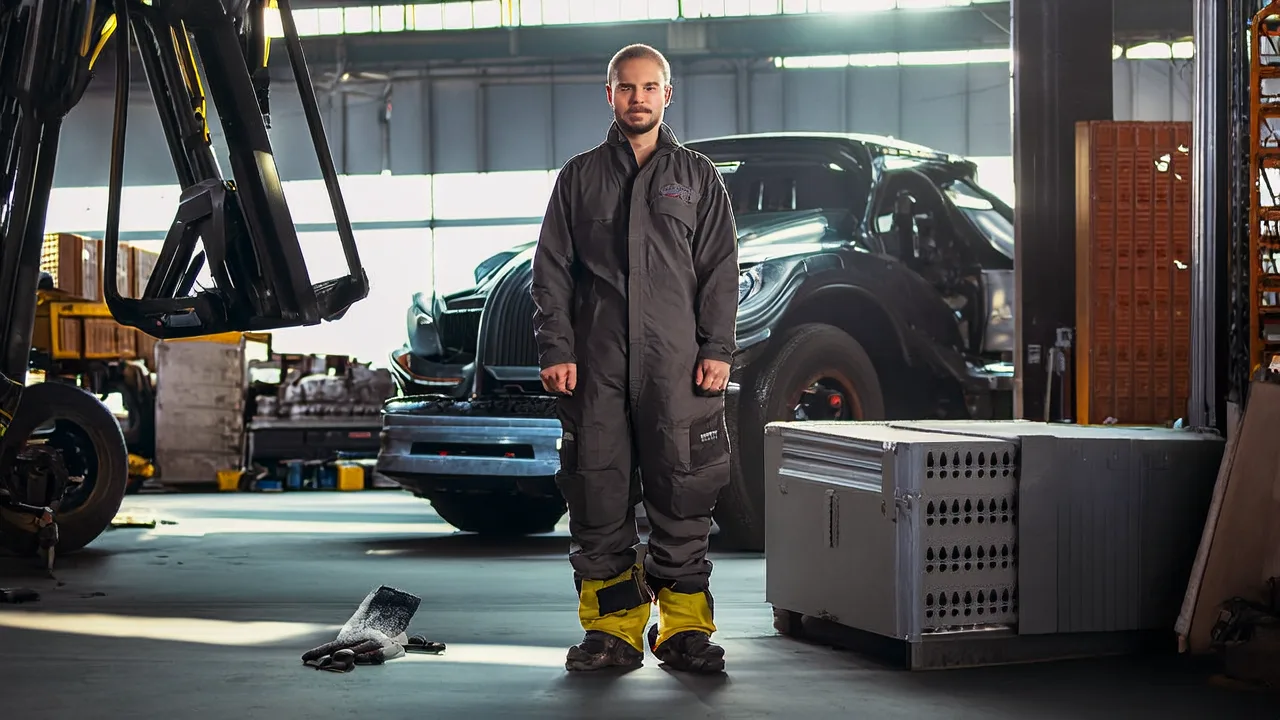
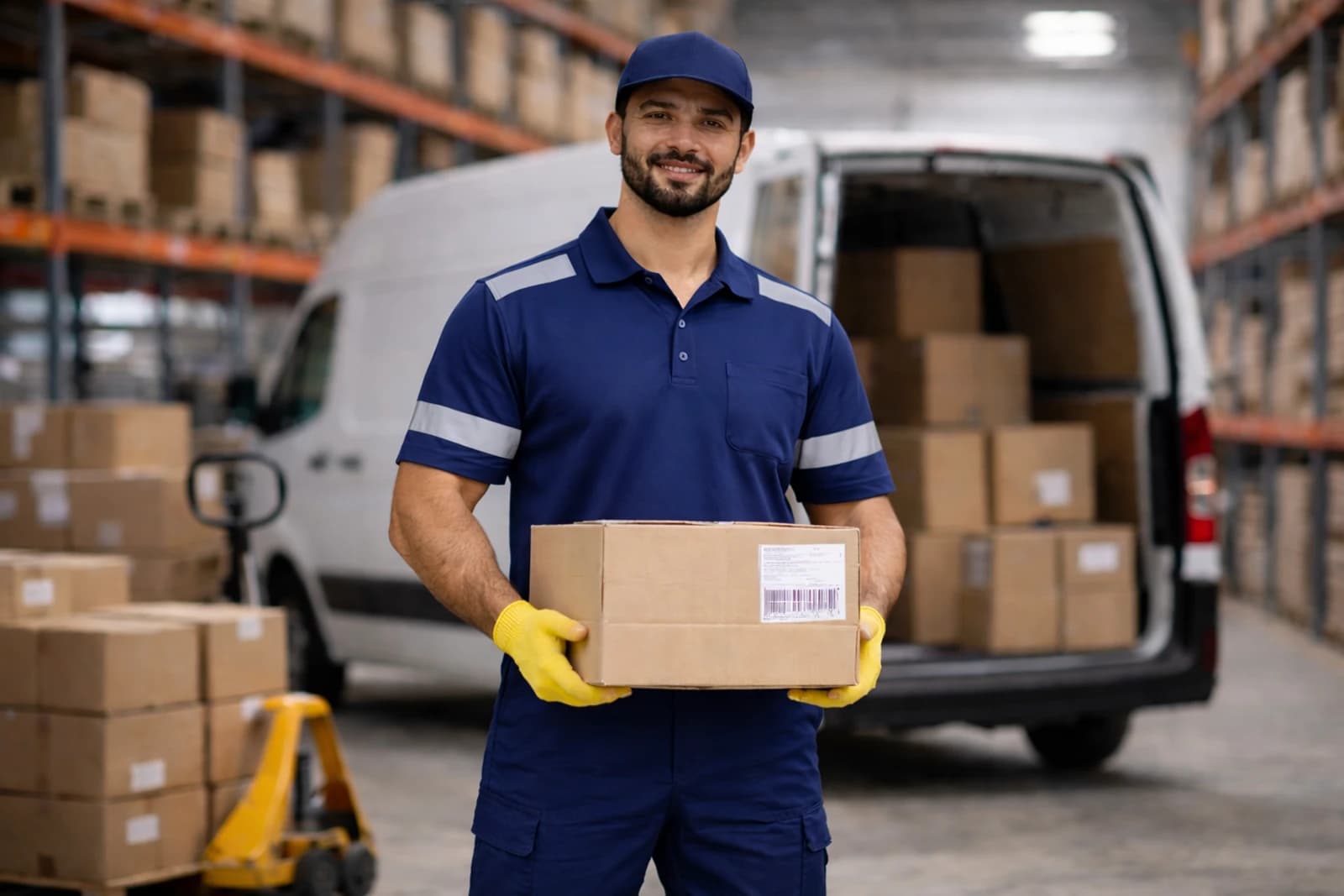
The solution is an automotive repair workwear specification that addresses oil and chemical resistance, mechanical abrasion resistance, temperature adaptation, and professional appearance — treating garment selection as a zone-based problem rather than a one-garment-fits-all problem. **Step 1: Specify tight-weave, synthetic-blend fabric that resists oil and chemical absorption** For automotive repair workwear, specify fabrics that prevent oil and chemical contaminants from penetrating fabric and resist mechanical abrasion from sharp parts and tools: - **Tight-weave polyester-cotton blend fabric:** specify fabric with a tight weave (minimum 250 gsm for service bay areas) that prevents oil and chemicals from penetrating between yarns. Polyester-cotton blends (65% polyester, 35% cotton) combine polyester's oil resistance with cotton's breathability. Polyester fibers resist oil absorption better than cotton fibers, reducing staining and chemical degradation. - **Oil-repellent finish:** specify fabric with an oil-repellent finish (fluorocarbon or silicone-based) that causes oil and grease to bead on fabric surface rather than penetrate fibers. Oil-repellent finishes reduce staining and enable easier cleaning. Specify oil-repellent finish with wash durability testing data confirming that finish maintains oil resistance after 25, 50, and 75 wash cycles. - **Solvent resistance:** specify fabric that resists degradation from common automotive solvents (brake cleaner, carburetor cleaner, degreaser). Require supplier testing data confirming that fabric maintains tensile strength and tear resistance after exposure to solvents. Synthetic fabrics (polyester, nylon) resist solvent degradation better than cotton fabrics. The fabric specification ensures that garments resist oil and chemical absorption — reducing staining, chemical degradation, and laundering difficulty. **Step 2: Specify reinforced construction in high-wear areas** Specify garment construction that reinforces high-wear areas to prevent mechanical failure: - **Reinforced knees:** specify garments with reinforced knee panels (double-layer fabric or abrasion-resistant patch) for workers who kneel on concrete floors and around vehicles. Reinforced knees prevent concrete abrasion and sharp metal contact from degrading fabric. Specify knee reinforcement with fabric weight of 350-400 gsm (heavier than base fabric) for maximum abrasion resistance. - **Reinforced elbows:** specify garments with reinforced elbow panels for workers who lean on workbenches and vehicle surfaces. Reinforced elbows prevent abrasive contact from degrading fabric. Specify elbow reinforcement with fabric weight of 350-400 gsm. - **Reinforced pockets:** specify garments with reinforced pocket fabric (double-layer or abrasion-resistant patch) for workers who carry sharp metal parts and tools in pockets. Reinforced pockets prevent sharp objects from puncturing pocket fabric. Specify pocket reinforcement with tight-weave fabric that resists puncture. - **Reinforced waist:** specify garments with reinforced waist panels for workers who wear tool belts. Reinforced waist prevents tool belt friction from degrading fabric. Specify waist reinforcement with fabric weight of 300-350 gsm. - **Bar-tacked stress points:** specify garments with bar-tacked stress points (pocket corners, belt loops, closure attachments) to prevent seam failure at high-stress locations. Bar-tacking reinforces stitching with dense thread patterns that resist pulling and tearing. The construction specification ensures that garments resist mechanical failure in high-wear areas — extending garment service life and reducing replacement frequency. **Step 3: Create a zone-based specification that matches garment type to each area** Automotive repair shops have distinct zones with different exposure levels and professional appearance requirements. Specify different garments for each zone: - **Service bay areas (mechanical work, engine repair, brake service, suspension work):** specify coverall or two-piece suit (shirt and trouser) in tight-weave, oil-resistant fabric (250-280 gsm) with reinforced construction. The coverall provides full body coverage, preventing oil and chemical contact with skin and personal clothing. Specify the coverall with reinforced knees, elbows, pockets, and waist. Specify the coverall with oil-repellent finish and solvent-resistant fabric. Specify the coverall in dark colors (navy, charcoal, black) that mask oil and grease stains between laundering cycles. - **Parts storage and warehouse areas:** specify two-piece suit (shirt and trouser) or polo shirt and trouser in tight-weave fabric (220-250 gsm). These areas have lower oil and chemical exposure but still require mechanical abrasion resistance from handling parts and components. Specify the garment with reinforced pockets for carrying parts and tools. Specify the garment in company-branded colors for professional appearance. - **Customer-facing areas (service counters, waiting areas, vehicle handover):** specify polo shirt and trouser in tight-weave, oil-resistant fabric (200-220 gsm) with professional appearance. The polo provides comfortable, breathable coverage for customer interaction while maintaining professional appearance. Specify the polo in company-branded colors with embroidered logo for professional appearance. Specify the polo with oil-repellent finish that resists staining from incidental contact with vehicles and parts. Specify the trouser with reinforced pockets and waist for mechanical durability. The zone-based specification matches garment coverage and cost to each area's exposure level and professional appearance requirements. The buyer doesn't over-specify workwear for low-exposure areas (paying for full coveralls not needed) and doesn't under-specify workwear for high-exposure areas (creating rapid degradation and professional appearance issues). **Step 4: Specify temperature-adaptive garments for indoor and outdoor work** Automotive repair workers move between indoor and outdoor areas with different temperature conditions. Specify garments that adapt to temperature variation: - **Breathable fabric:** specify fabric with breathable construction (tight weave but breathable fiber structure) that allows air circulation and sweat evaporation in hot conditions. Breathable fabric prevents overheating and sweat accumulation during summer outdoor work. - **Layering system:** specify a layering system (base layer, mid layer, outer layer) for workers who move between hot outdoor areas and cool indoor areas, or who work in unheated service bays during winter. The layering system enables workers to add or remove layers to maintain thermal comfort across temperature ranges. Specify base layer in moisture-wicking synthetic fabric, mid layer in lightweight insulation (fleece or thin quilted), and outer layer in wind-resistant, water-repellent fabric. - **Ventilation features:** specify garments with ventilation features (mesh-lined vents at back, underarms, or thighs) for workers in hot environments. Ventilation features enable air circulation and heat dissipation, preventing overheating during summer outdoor work. The temperature-adaptive specification ensures that garments maintain worker comfort across temperature variation — reducing heat stress in summer and cold stress in winter. **Step 5: Implement a garment care protocol that maintains oil resistance and professional appearance** Automotive repair workwear requires regular laundering to remove oil, grease, and chemical contaminants. Industrial laundering degrades oil-repellent finishes and fabric properties: - **Wash durability:** require supplier testing data confirming that fabric maintains oil resistance, tensile strength, and color fastness after 25, 50, and 75 wash cycles. Oil-repellent finishes that degrade through washing lose oil resistance, increasing staining. Specify wash durability testing for oil-repellent finish and fabric properties. - **Laundering process control:** specify laundering parameters (water temperature, detergent type, drying temperature) that maintain oil-repellent finish and fabric properties. High-temperature washing and harsh detergents degrade oil-repellent finishes. Specify laundering parameters recommended by fabric supplier. - **Post-wash inspection:** inspect garments after washing for oil-repellent finish failure (fabric that absorbs oil rather than repelling it), fabric degradation (tears, seam failure, reinforcement degradation), and professional appearance failure (fading, staining that doesn't wash out). Garments that fail post-wash inspection are rewashed or removed from service. The care protocol ensures that garments maintain oil resistance and professional appearance throughout their service life — extending garment service life and maintaining professional appearance. **Step 6: Track garment condition and replace based on degradation** Repeated washing and exposure degrade oil resistance, mechanical durability, and professional appearance over time. Track garment condition and replace garments before degradation creates hygiene, safety, or professional appearance issues: - **Wash cycle tracking:** record the number of wash cycles for each garment. Set a maximum wash cycle limit based on supplier wash durability testing (e.g., replace garments after 50 wash cycles if wash durability testing confirms oil-repellent finish maintains oil resistance through 50 cycles). - **Periodic inspection:** inspect garments periodically (monthly or quarterly) for fabric degradation (oil-repellent finish failure, tears, seam failure, reinforcement degradation), professional appearance failure (fading, staining that doesn't wash out), and closure damage (zipper failure, cuff degradation). Garments that show degradation are removed from service regardless of wash cycle count. - **Zone-based replacement:** replace customer-facing garments more frequently than service bay garments to maintain professional appearance. Customer-facing garments that show minor staining or fading are moved to service bay use rather than discarded, extending garment value. The tracking and replacement protocol ensures that garments are replaced before degradation creates hygiene, safety, or professional appearance issues — maintaining garment performance throughout service life. **Recommended garments for automotive repair workwear:** - **Industrial coverall-pro** — specify the coverall for service bay workers (mechanical work, engine repair, brake service, suspension work) who face direct oil, chemical, and mechanical exposure. The coverall provides full body coverage, preventing oil and chemical contact with skin and personal clothing. Specify the coverall in tight-weave, oil-resistant fabric (250-280 gsm) with reinforced knees, elbows, pockets, and waist. Specify the coverall with oil-repellent finish and solvent-resistant fabric. Specify the coverall in dark colors (navy, charcoal, black) that mask oil and grease stains. Specify the coverall with wash durability testing data confirming that oil-repellent finish maintains oil resistance after 50 wash cycles. The coverall's full coverage, oil-resistant fabric, and reinforced construction make it suitable for automotive repair operations where oil, chemical, and mechanical hazards are critical. - **Logistics polo uniform** — specify the polo for customer-facing area workers (service counters, waiting areas, vehicle handover) and parts storage area workers who require professional appearance and moderate durability. The polo provides comfortable, breathable coverage for customer interaction while maintaining professional appearance. Specify the polo in tight-weave, oil-resistant fabric (200-220 gsm) with oil-repellent finish. Specify the polo in company-branded colors with embroidered logo for professional appearance. Specify the polo with wash durability testing data confirming that oil-repellent finish and color fastness maintain professional appearance after 50 wash cycles. The polo's professional appearance, oil resistance, and breathability make it suitable for automotive repair operations where customer interaction and moderate oil exposure combine.
Recommended Products
Products that fit this use case

Industrial Workwear
Industrial Coverall Pro
Hard-wearing one-piece coverall for plant, maintenance, and heavy-duty operations.
Logistics Uniform
Logistics Polo Uniform
Breathable uniform polo for warehouse, delivery, and last-mile teams.