Insights

Sourcing notes for importers and EPC buyers

Practical topics—fabric selection, OEM steps, site uniforms, and repeat orders—written for teams sourcing workwear for the Middle East, Gulf states, and comparable hot-climate markets.

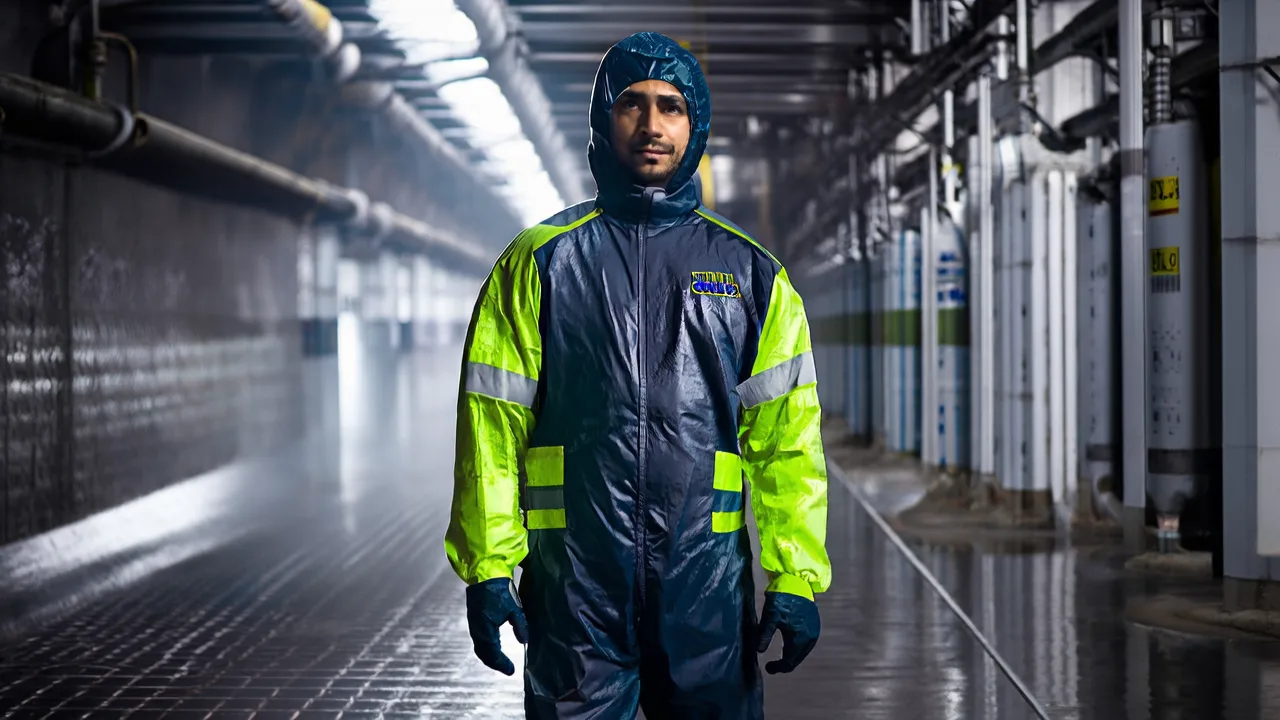
Wastewater Workwear Must Resist Wet Biological Exposure Without Trapping Heat
2026-10-17T11:10:00+08:006 min read

Wastewater Workwear Must Resist Wet Biological Exposure Without Trapping Heat

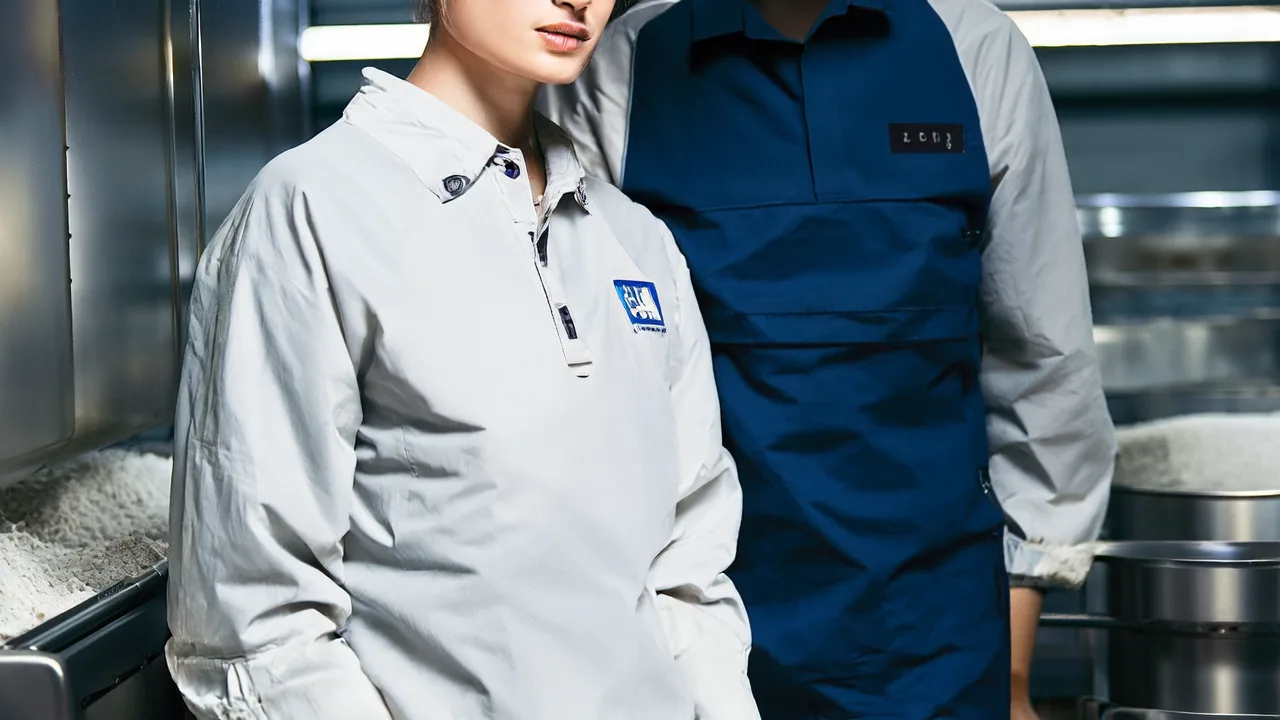
Wastewater treatment workwear must resist wet biological exposure from raw sewage, process splashes, and aerosolized pathogens while enabling moisture vapor transmission so workers do not overheat in confined spaces and...
Read article
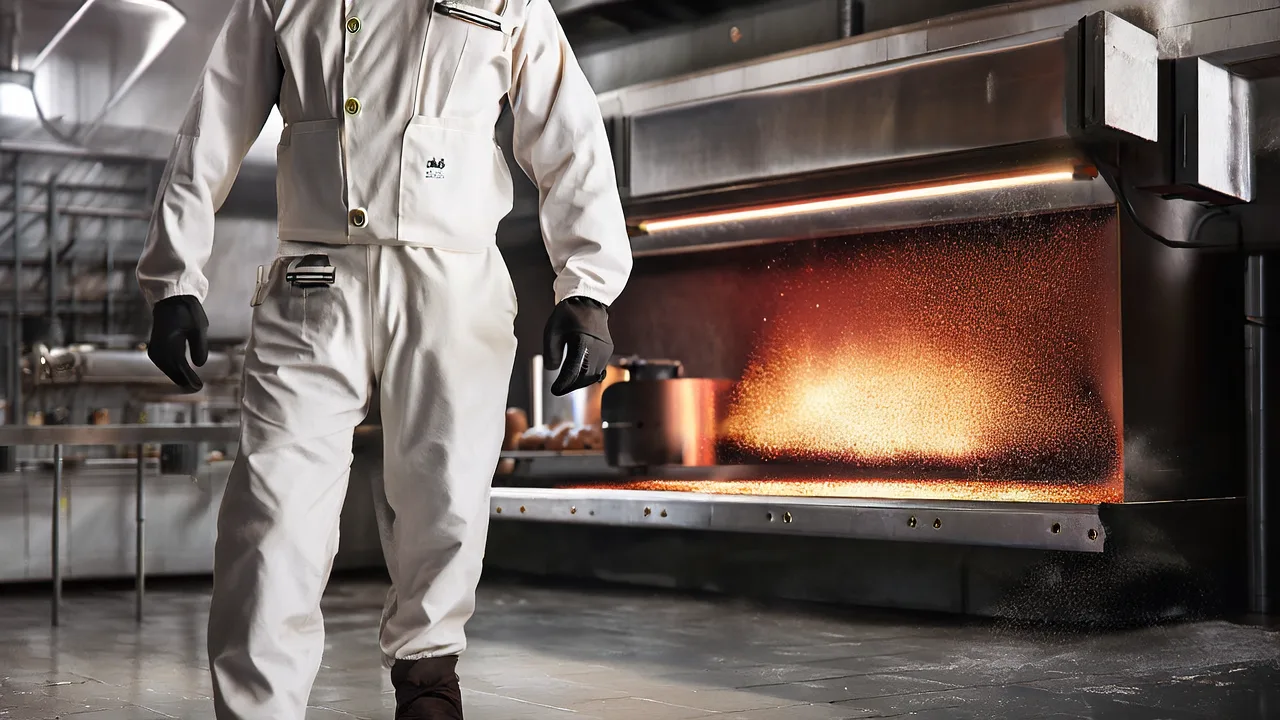
Industrial Bakery Workwear Must Control Flour Dust Without Trapping Oven Heat
2026-10-16T11:10:00+08:006 min read

Industrial Bakery Workwear Must Control Flour Dust Without Trapping Oven Heat

Industrial bakery workwear must manage airborne flour dust, dissipate radiant heat from tunnel and deck ovens, and meet food safety requirements that prohibit fiber shedding. Standard flour-resistant fabrics use tight,...

Read article
Automotive Assembly Workwear Needs Oil Resistance Without Sacrificing Mobility
2026-10-15T11:10:00+08:006 min read

Automotive Assembly Workwear Needs Oil Resistance Without Sacrificing Mobility

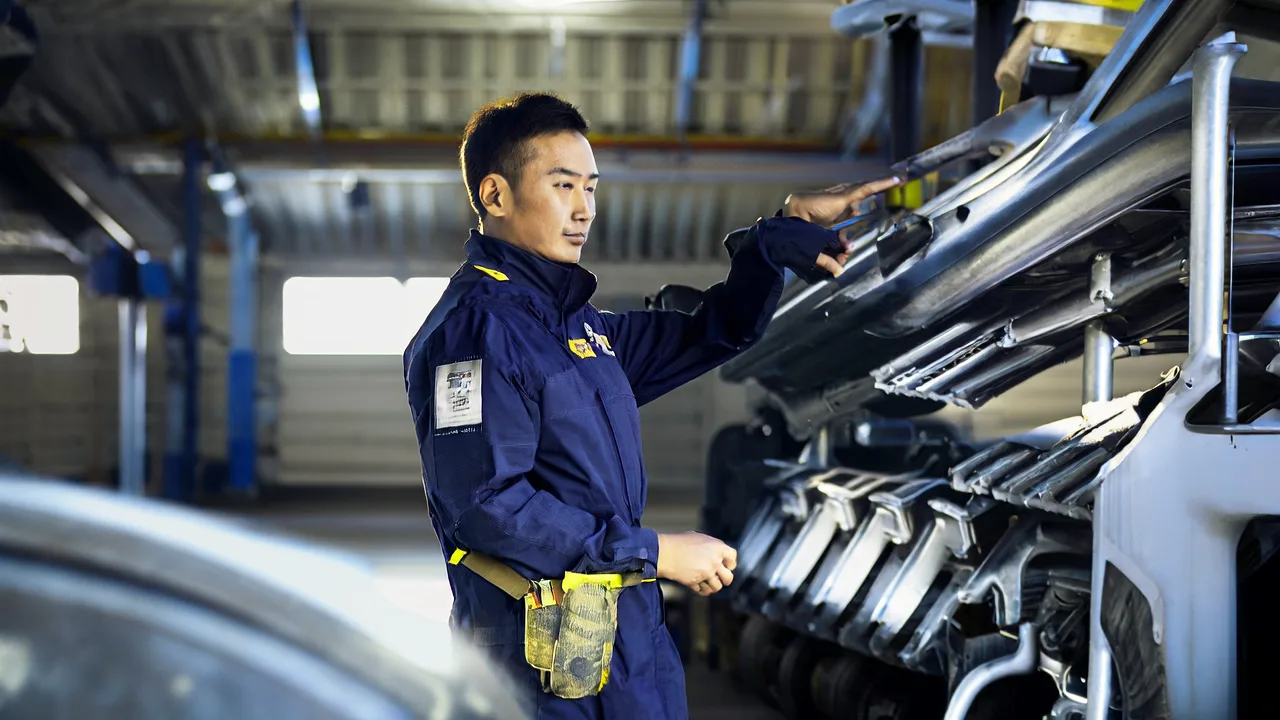
Automotive assembly workwear must resist oil, grease, and metal particle exposure throughout every shift while enabling the mobility workers need for overhead tasks, under-dashboard work, and tight-space assembly....

Read article
Recycling Facility Workwear: Why Puncture-Resistant Fabric Fails the Wash Test
2026-10-14T11:10:00+08:007 min read

Recycling Facility Workwear: Why Puncture-Resistant Fabric Fails the Wash Test

Recycling facility workwear must resist puncture from sharps embedded in waste — needles, broken glass, metal fragments — while surviving daily high-temperature washing for biological decontamination. Standard...

Read article
Pharmaceutical Workwear Must Maintain Barrier Protection After Repeated Sterilization
2026-10-13T11:10:00+08:006 min read

Pharmaceutical Workwear Must Maintain Barrier Protection After Repeated Sterilization

Pharmaceutical cleanroom workwear is validated on new garments — then issued for daily use with repeated sterilization cycles that degrade fabric barrier properties, seam integrity, and closure function. The root cause:...

Read article
When Should a Wastewater Plant Request a Second Workwear Sample?
2026-10-12T11:10:00+08:006 min read

When Should a Wastewater Plant Request a Second Workwear Sample?

Wastewater treatment plant workwear samples evaluated under dry conditions pass inspection but fail in the wet, chemical environment of process areas — fabric absorbs moisture and becomes heavy, chemical splash degrades...

Read article
Pulp Mill Workwear Replenishment: Why Size Ratios Change After the First Issue
2026-10-11T11:10:00+08:006 min read

Pulp Mill Workwear Replenishment: Why Size Ratios Change After the First Issue

Pulp mill workwear replenishment orders that copy the initial rollout size ratio create stockouts in larger sizes and excess inventory in smaller sizes. The root cause: larger garments wear out faster in caustic...

Read article
Metal Fabrication Workwear Needs a Single Spec for Spatter, Edges, and Grinding
2026-10-10T11:10:00+08:006 min read

Metal Fabrication Workwear Needs a Single Spec for Spatter, Edges, and Grinding

Metal fabrication workers face three distinct hazards in the same bay: welding spatter (molten metal splash at 1,400–1,600°C), sharp metal edges (sheet metal, cut parts, and deburred components), and grinding abrasives...

Read article
Sorting Hall Workwear: Cut Resistance That Does Not Trap Heat
2026-10-09T11:10:00+08:006 min read

Sorting Hall Workwear: Cut Resistance That Does Not Trap Heat

Recycling sorting hall workers handle glass shards, metal edges, and broken plastics throughout every shift — and need cut-resistant workwear. But standard cut-resistant fabric traps heat in warm sorting halls, causing...

Read article
Bakery Workwear Must Handle Flour Dust and Oven Heat in the Same Shift
2026-10-08T11:10:00+08:006 min read

Bakery Workwear Must Handle Flour Dust and Oven Heat in the Same Shift

Commercial bakery workers rotate between flour-dust areas (mixing, make-up, dough handling) and high-radiant-heat areas (deck ovens at 230–300°C, rack ovens, tunnel ovens) wearing the same garment all shift. Standard...

Read article
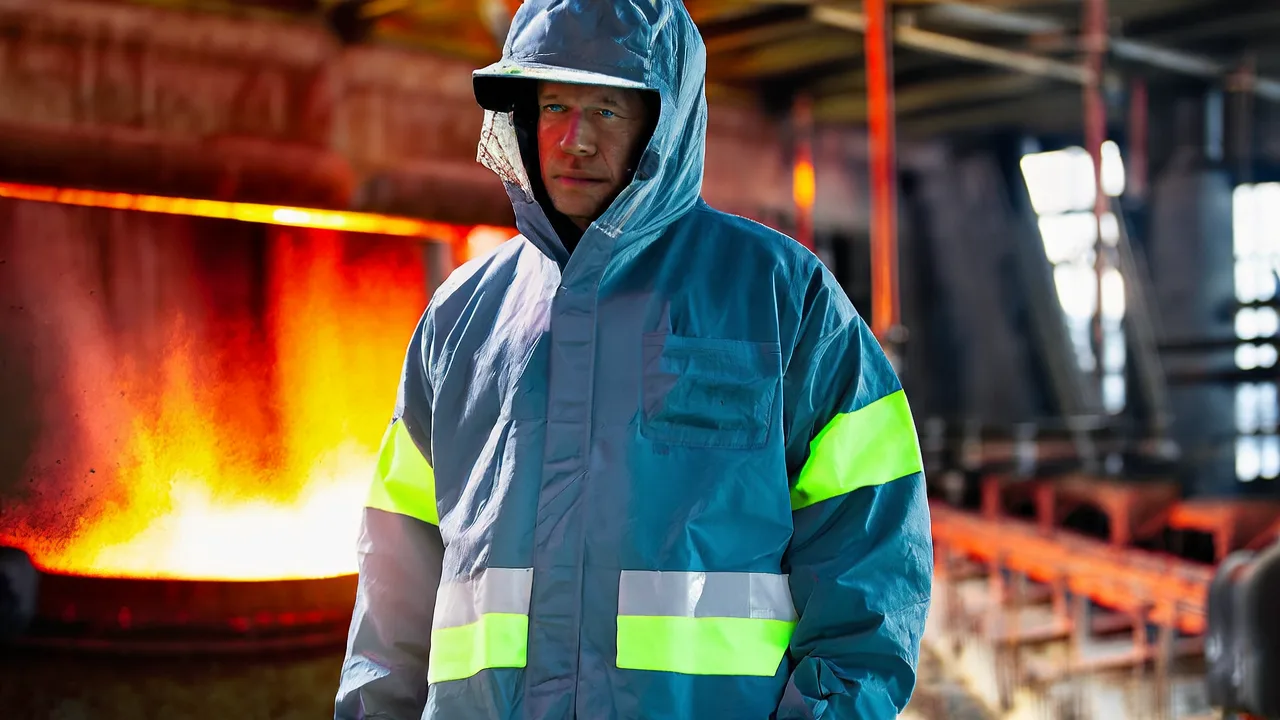
Glass Plant Workwear Must Be Replaced by Heat Exposure, Not Calendar Dates
2026-10-07T11:14:00+08:006 min read

Glass Plant Workwear Must Be Replaced by Heat Exposure, Not Calendar Dates

Glass manufacturing workwear degrades from cumulative radiant heat exposure near furnaces, lehrs, and forming stations — not from calendar age. Standard replacement schedules discard lightly-exposed garments prematurely...

Read article
Why Does Water Treatment Workwear Fail When Operators Handle Chlorine in Summer Heat?
2026-10-06T11:10:00+08:006 min read

Why Does Water Treatment Workwear Fail When Operators Handle Chlorine in Summer Heat?

Water treatment operators rotate between chemical dosing tasks (handling chlorine, coagulants, pH adjustment chemicals) and outdoor plant rounds in summer heat. Standard workwear absorbs chemical splash and degrades, or...

Read article
WhatsApp · QuoteBlog — Workwear Sourcing & OEM Guides | Sidaier Workwear