Cold Storage Workwear Loses Thermal Protection Before It Shows Visible Wear
Cold storage facilities replace workwear based on visible condition—tears, stains, seam failure—while thermal insulation degrades invisibly through repeated washing and compression. Workers in -20°C to -30°C environments face cold stress and reduced productivity long before garments look worn. This article covers why thermal degradation goes undetected, how to track insulation performance through wash cycles and compression history, and when to replace cold storage workwear based on thermal loss rather than visible wear.
Buyer context
What procurement teams run into
Cold storage facilities—operating at temperatures from -18°C to -30°C for frozen food distribution, pharmaceutical storage, and chemical preservation—expose workwear to a degradation pattern that visible inspection cannot detect: thermal insulation loss through repeated washing, compression, and moisture exposure. Workers in cold storage environments rely on garment insulation to maintain core body temperature during 6-8 hour shifts in sub-zero conditions. When insulation degrades, workers face cold stress, reduced dexterity, and decreased productivity—yet garments may appear serviceable with no visible tears, stains, or seam failure. The mechanism: **1. Insulation loses loft through compression and washing, reducing thermal resistance** Cold storage workwear uses insulated construction—typically quilted linings with synthetic insulation (polyester fiberfill) or fleece interiors—to trap air and reduce heat loss from the worker's body. Insulation works by maintaining loft: the thickness of the insulating layer that traps still air. Repeated washing, drying, and compression during use gradually reduce loft by breaking down fiber structure and compressing insulation layers. The root cause: synthetic insulation fibers break down through mechanical agitation (washing), heat exposure (drying), and compression (body movement, leaning against surfaces). After 25-50 wash cycles, insulation can lose 30-50% of original loft, reducing thermal resistance by the same proportion. The garment looks intact—fabric surface shows no damage, seams remain closed, closures function—but thermal protection has degraded significantly. Workers feel colder, layer additional clothing (which creates bulk and restricts movement), or reduce time in cold storage areas (reducing productivity). **2. Moisture accumulation in insulation reduces thermal performance during shifts** Cold storage workers generate sweat during physical work (lifting, moving pallets, operating equipment). Sweat penetrates insulation layers and reduces thermal resistance—wet insulation conducts heat away from the body 25 times faster than dry insulation. Cold storage workwear must enable moisture vapor transmission so sweat evaporates and insulation remains dry. However, repeated washing degrades moisture-wicking finishes and breathable membrane performance, causing moisture to accumulate in insulation during shifts. The root cause: moisture-wicking finishes (DWR treatments, hydrophilic coatings) degrade through washing and wear. After 25-50 wash cycles, finishes lose effectiveness, and moisture accumulates in insulation rather than transmitting outward. Workers experience damp insulation by mid-shift, creating cold spots and accelerating heat loss. The garment appears dry on the exterior surface, but insulation interior holds moisture that workers cannot see or measure. **3. Compression damage from leaning and equipment contact creates localized cold spots** Cold storage workers lean against walls, racks, and equipment during shifts. Compression from leaning crushes insulation in specific areas (elbows, forearms, torso front, thighs), creating localized cold spots where insulation thickness is reduced. Repeated compression permanently damages insulation fiber structure in these areas, creating persistent cold spots even after the garment is hung and insulation attempts to recover loft. The root cause: insulation fibers recover loft gradually after compression, but repeated compression in the same locations causes permanent fiber damage. Workers develop cold spots at elbows, forearms, and torso front within 20-30 wash cycles—locations that experience the most compression. These cold spots create discomfort and distraction, reducing focus and productivity. Visible inspection shows no damage—fabric surface appears intact—but insulation performance has degraded locally. **4. Replacement based on visible wear misses thermal degradation until workers complain** Most cold storage facilities replace workwear based on visible condition: tears, seam failure, zipper damage, or staining. This approach misses thermal degradation because insulation loss is invisible. Workers complain about cold discomfort only after thermal resistance has degraded significantly—typically after 50-75 wash cycles, when insulation has lost 40-60% of original loft. By the time workers complain, they have experienced weeks of cold stress, reduced productivity, and potential cold-related health issues. The root cause: visible wear indicators (tears, stains, seam failure) do not correlate with thermal performance. A garment can appear serviceable while providing only 50% of original thermal resistance. Replacement based on visible wear extends garment service life beyond thermal effectiveness, creating cold stress for workers and productivity loss for operations. **5. The cost of getting it wrong** The buyer who replaces cold storage workwear based on visible wear faces: - Cold stress (workers experiencing reduced core body temperature due to insulation degradation) - Reduced productivity (workers spending less time in cold storage areas, taking more breaks, working slower due to discomfort) - Layering complications (workers adding personal layers that create bulk, restrict movement, and create safety hazards) - Health and safety risks (cold-related injuries, reduced dexterity creating accident risks) - Worker complaints and turnover (discomfort leading to dissatisfaction and attrition) The buyer who replaces cold storage workwear based on thermal performance tracking faces: - Thermal protection maintained (garments replaced before insulation degradation creates cold stress) - Productivity maintained (workers comfortable in cold storage environments, spending full shifts in required areas) - Layering minimized (workers wearing single-layer insulation garments without adding personal layers) - Health and safety maintained (workers protected from cold stress, maintaining dexterity and focus)
Sourcing approach
How a factory partner can respond
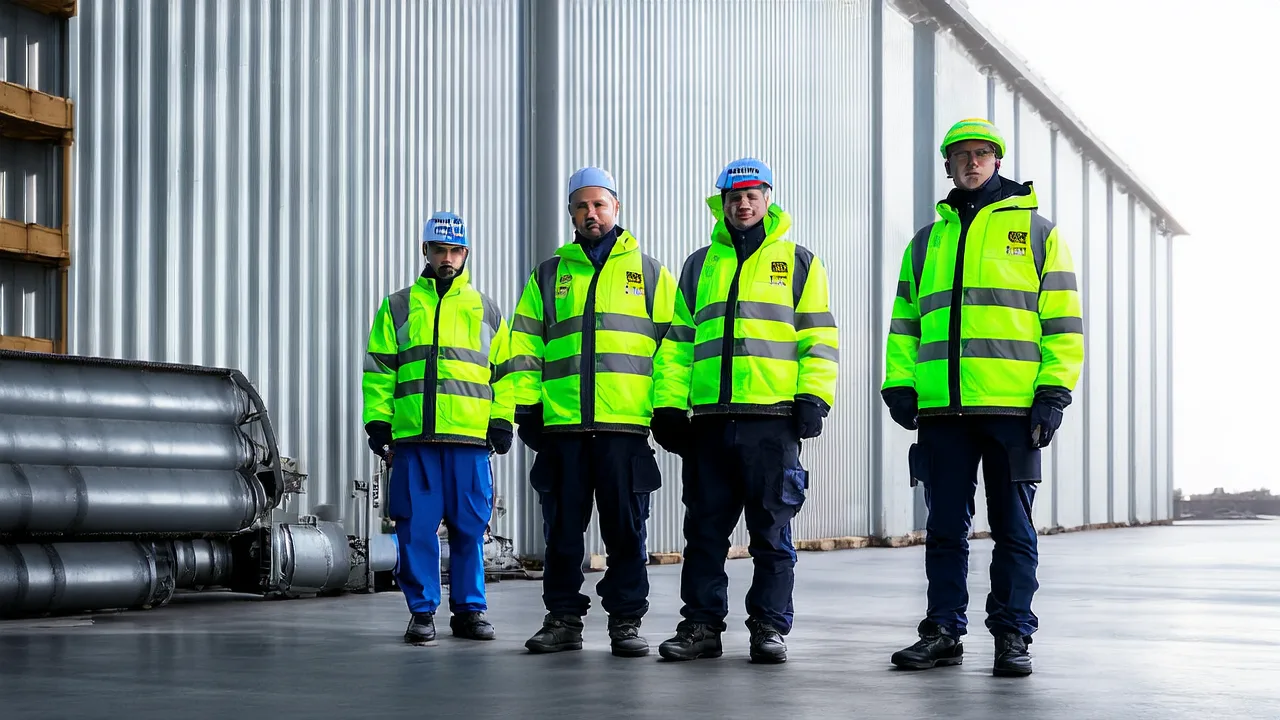
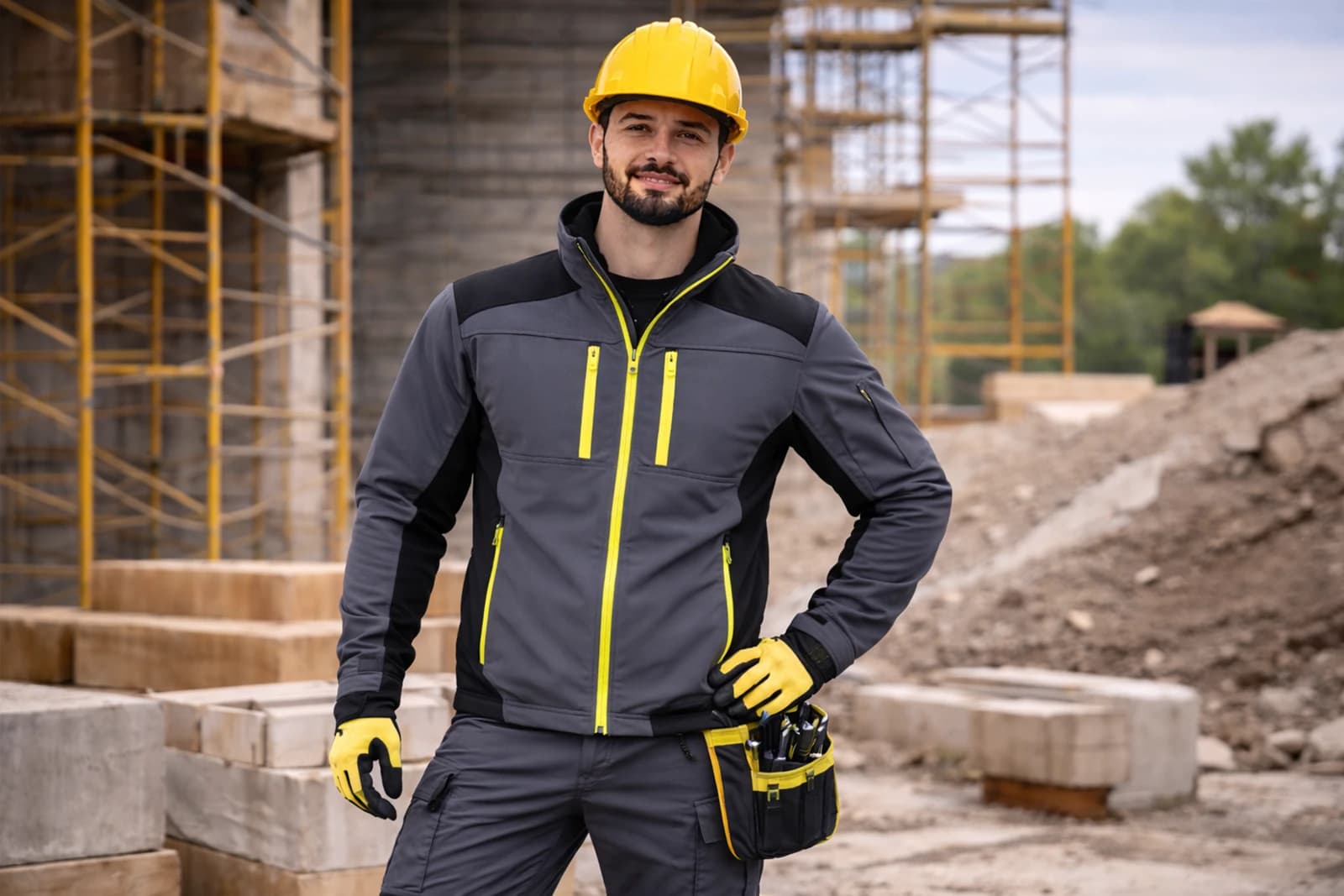
The solution is a cold storage workwear replacement protocol that tracks thermal performance through wash cycle counting, compression history monitoring, and scheduled replacement based on insulation degradation—replacing garments before thermal loss creates cold stress, regardless of visible condition. **Step 1: Establish baseline thermal performance data for new garments** Before deploying cold storage workwear, establish baseline thermal performance data for new garments. This data enables tracking of thermal degradation over time and setting replacement thresholds. - **Insulation loft measurement:** measure insulation loft (thickness) for new garments at standard locations (torso front, torso back, sleeves, thighs). Record measurements in millimeters. Typical new garment loft: 15-25 mm for medium-weight insulation, 25-35 mm for heavyweight insulation. - **Thermal resistance rating:** request supplier testing data for thermal resistance (clo value or thermal resistance coefficient). Typical new garment thermal resistance: 1.5-2.5 clo for medium-weight insulation, 2.5-3.5 clo for heavyweight insulation. - **Moisture vapor transmission rate:** request supplier testing data for moisture vapor transmission rate (MVTR, measured in g/m²/24h). Typical new garment MVTR: 5,000-8,000 g/m²/24h for breathable insulated construction. The baseline data provides reference points for tracking thermal degradation and setting replacement thresholds. **Step 2: Track wash cycles and set replacement thresholds based on insulation degradation** Track wash cycles for each garment and set replacement thresholds based on insulation degradation patterns. Insulation degradation correlates with wash cycle count, enabling predictive replacement scheduling. - **Wash cycle tracking:** record the number of wash cycles for each garment. Use garment tags, barcodes, or RFID tracking to associate wash cycle counts with individual garments. Record wash cycle counts in a database or tracking system. - **Replacement threshold:** set replacement thresholds based on supplier wash durability testing data. If supplier testing confirms that insulation maintains 80% of original loft after 50 wash cycles, set replacement threshold at 50 wash cycles. If supplier testing is unavailable, use conservative replacement thresholds: 40 wash cycles for heavyweight insulation (-30°C environments), 50 wash cycles for medium-weight insulation (-18°C to -20°C environments). - **Scheduled replacement:** replace garments when they reach the wash cycle replacement threshold, regardless of visible condition. Scheduled replacement ensures that garments are replaced before thermal degradation creates cold stress. The wash cycle tracking and scheduled replacement ensures that garments are replaced based on thermal performance degradation, not visible wear. **Step 3: Monitor compression damage and replace garments with localized cold spots** Monitor compression damage in high-compression areas (elbows, forearms, torso front, thighs) and replace garments that develop localized cold spots before insulation degradation reaches the wash cycle threshold. - **Compression inspection:** inspect garments monthly for compression damage in high-compression areas. Check insulation loft by pressing insulation between fingers and feeling for thickness reduction. Compare insulation thickness in high-compression areas to non-compressed areas (torso back, inner sleeves). If insulation thickness in high-compression areas is less than 50% of non-compressed areas, replace the garment. - **Worker feedback:** solicit worker feedback on cold spots and discomfort. Workers can identify localized cold spots before visible inspection detects compression damage. Use worker feedback to identify garments that need replacement before reaching the wash cycle threshold. - **Early replacement:** replace garments with localized compression damage before they reach the wash cycle threshold. Early replacement prevents cold stress from localized cold spots. The compression monitoring and early replacement ensures that garments with localized insulation damage are replaced before creating cold stress. **Step 4: Specify cold storage workwear with wash-durable insulation and moisture management** Specify cold storage workwear with insulation and moisture management features that maintain thermal performance through repeated washing and wear. - **Insulation type:** specify synthetic insulation (polyester fiberfill) with high loft retention. Request supplier testing data confirming that insulation maintains 80% of original loft after 50 wash cycles. Avoid down insulation (loses loft when wet, difficult to dry in cold storage environments) and low-loft insulation (provides insufficient thermal resistance for -18°C to -30°C environments). - **Moisture-wicking finish:** specify insulation with moisture-wicking finish that maintains effectiveness through repeated washing. Request supplier testing data confirming that moisture-wicking finish maintains MVTR after 50 wash cycles. Moisture-wicking finishes enable sweat to evaporate from insulation, maintaining dry insulation and thermal performance during shifts. - **Breathable membrane:** specify garments with breathable membrane (e.g., PTFE membrane) that enables moisture vapor transmission while resisting external moisture penetration. Breathable membranes prevent external moisture (condensation, splashes) from penetrating insulation while enabling internal moisture (sweat vapor) to escape. Request supplier testing data confirming that breathable membrane maintains MVTR after 50 wash cycles. The garment specification ensures that insulation maintains thermal performance through repeated washing and that moisture management features maintain effectiveness throughout garment service life. **Step 5: Implement a garment tracking system for cold storage workwear** Implement a garment tracking system that tracks wash cycles, compression damage, and replacement scheduling for cold storage workwear. - **Garment identification:** tag each garment with a unique identifier (barcode, RFID tag, or numbered tag). The identifier enables tracking of individual garment history (wash cycles, inspections, replacements). - **Wash cycle recording:** record wash cycles for each garment in the tracking system. Update the system after each washing cycle. The system tracks cumulative wash cycles and flags garments that have reached the replacement threshold. - **Inspection recording:** record monthly compression inspection results in the tracking system. Note garments with localized compression damage and flag for early replacement. - **Replacement scheduling:** generate replacement schedules based on wash cycle counts and inspection results. The system flags garments that have reached the wash cycle threshold or show compression damage, enabling proactive replacement before thermal degradation creates cold stress. The tracking system enables proactive replacement scheduling based on thermal performance degradation, preventing cold stress and maintaining worker productivity. **Step 6: Train workers and supervisors on thermal degradation and replacement protocols** Train workers and supervisors on thermal degradation patterns, the limitations of visible inspection, and the replacement protocol based on wash cycle tracking and compression monitoring. - **Worker training:** train workers on thermal degradation signs (cold spots, reduced warmth, damp insulation) and the importance of reporting discomfort. Workers who understand thermal degradation can identify garments that need replacement before scheduled replacement dates. - **Supervisor training:** train supervisors on wash cycle tracking, compression inspection, and replacement scheduling. Supervisors who understand the replacement protocol can ensure that garments are replaced on schedule and that workers with early replacement needs are accommodated. - **Replacement communication:** communicate replacement schedules to workers and supervisors in advance. Enable workers to request early replacement if they experience cold stress before scheduled replacement dates. The training ensures that workers and supervisors understand thermal degradation and the replacement protocol, enabling proactive replacement and preventing cold stress. **Recommended garments for cold storage workwear:** - **Construction softshell set** — specify the softshell set for cold storage workers who require insulated protection with breathability and mobility. The softshell set provides insulated coverage (jacket and trouser) for workers in -18°C to -20°C environments. Specify the softshell set with synthetic insulation (polyester fiberfill) that maintains 80% of original loft after 50 wash cycles. Specify the softshell set with moisture-wicking finish and breathable membrane that maintains MVTR after 50 wash cycles. Specify the softshell set with articulated sleeves and gusseted underarms that enable mobility during physical work (lifting, moving pallets). The softshell set's insulated construction, moisture management, and mobility features make it suitable for cold storage operations where thermal protection, breathability, and mobility are critical. - **Hi-vis safety jacket** — specify the hi-vis jacket for cold storage workers who operate near mobile equipment (forklifts, pallet jacks) in low-light cold storage areas. The hi-vis jacket provides visibility compliance (hi-vis colors, reflective tape) with insulated protection for cold storage environments. Specify the hi-vis jacket with synthetic insulation that maintains 80% of original loft after 50 wash cycles. Specify the hi-vis jacket with reflective tape that maintains visibility after repeated washing and low-light exposure. The hi-vis jacket's visibility compliance and insulated construction make it suitable for cold storage operations where visibility and thermal protection are critical.
Recommended Products
Products that fit this use case
Construction Clothing
Construction Softshell Set
Flexible jacket and trouser set built for crews working across changing weather conditions.

Safety Uniform
Hi-Vis Safety Jacket
Reflective safety jacket for high-visibility site operations and road work crews.