4 Common Mistakes When Buying Industrial Coveralls for Gulf Factory Workers
Many GCC factory buyers choose coveralls based on price alone, only to face heat stress complaints and rapid wear. Learn the top four procurement errors and how to source industrial coveralls that perform in Gulf conditions.
Buyer context
What procurement teams run into
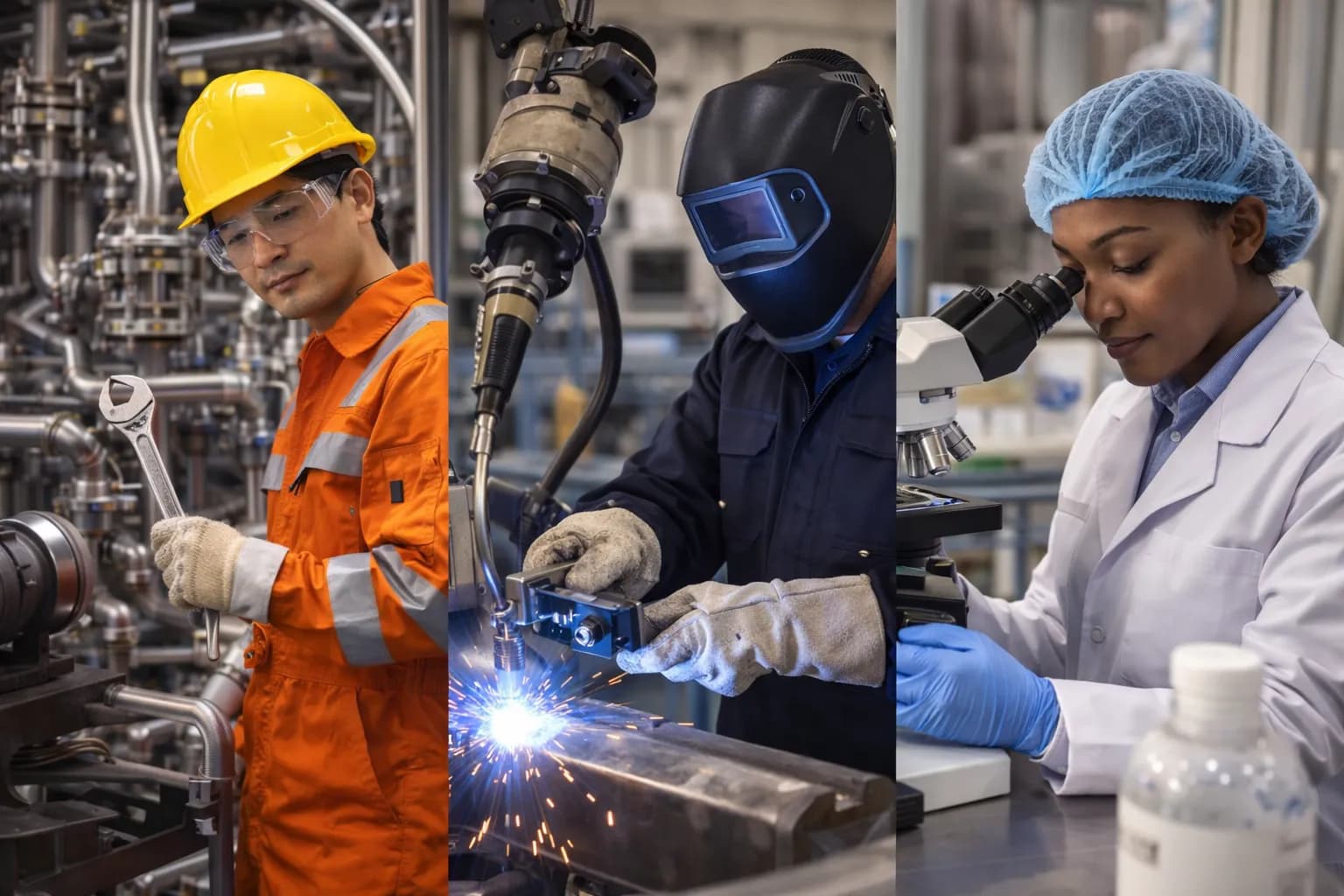
Industrial coveralls are a staple for factory workers across the GCC — from oil and gas processing plants in Abu Dhabi to manufacturing lines in Dammam and warehouses in Dubai. Yet many procurement teams treat them as a commodity and buy based on unit price alone. The result is predictable: workers refuse to wear them because they are too hot, trousers split at the seam after two washes, and the fabric pills or fades within weeks. Rather than solving a uniform problem, the buyer inherits a morale problem and a replacement cycle that cancels any upfront savings. Part of the challenge is that Gulf factory environments combine extremes that not every coverall is built for. High heat, humidity near coastal plants, dust and sand particles, frequent washing cycles, and the need for freedom of movement all place demands on fabric and construction. A coverall that works fine in a temperate factory in Europe may fail within months in a Jeddah workshop. Some buyers also over-correct and import heavy flame-resistant coveralls for roles that only need basic industrial protection, adding unnecessary cost and heat retention. Others skip sampling altogether and order tens of thousands of units from a single photo gallery, only to discover sizing mismatches when the container arrives.
Sourcing approach
How a factory partner can respond
The most reliable approach is to match the coverall to three things: the actual work environment, the local climate, and the worker's range of motion. For general factory and maintenance roles in the Gulf, a mid-weight poly-cotton blended coverall such as the industrial-coverall-pro offers breathability, durability, and the option to add reflective tape or extra pockets based on site needs. Mistake 1 is skipping fabric weight and blend evaluation. A 245–260 gsm poly-cotton twill is a practical starting point for most indoor Gulf factories. Heavier fabrics trap heat; lighter ones wear through too fast at the knees and elbows. Mistake 2 is ignoring ventilation features. Coveralls with a mesh back vent, zip-through front with double-slider zipper, and Action Back pleats allow the worker to bend, kneel, and stretch without overheating. These details matter in 40 °C plant environments. Mistake 3 is ordering a single block size run. Gulf workforces include a wide range of body types. Working with a manufacturer like Sidaier that offers a full size chart, pre-production samples, and size-set adjustments before bulk production prevents size distribution errors in the final order. Mistake 4 is not planning for customisation. Embroidery, heat-sealed logos, and pocket layout changes are best finalized during the sample stage. Retrofitting these after bulk delivery costs more and can compromise fabric integrity. A Chinese OEM manufacturer with coverall experience can complete custom samples in 7–10 working days, including logo placement approval.
Recommended Products
Products that fit this use case

Industrial Workwear
Industrial Coverall Pro
Hard-wearing one-piece coverall for plant, maintenance, and heavy-duty operations.
Construction Clothing
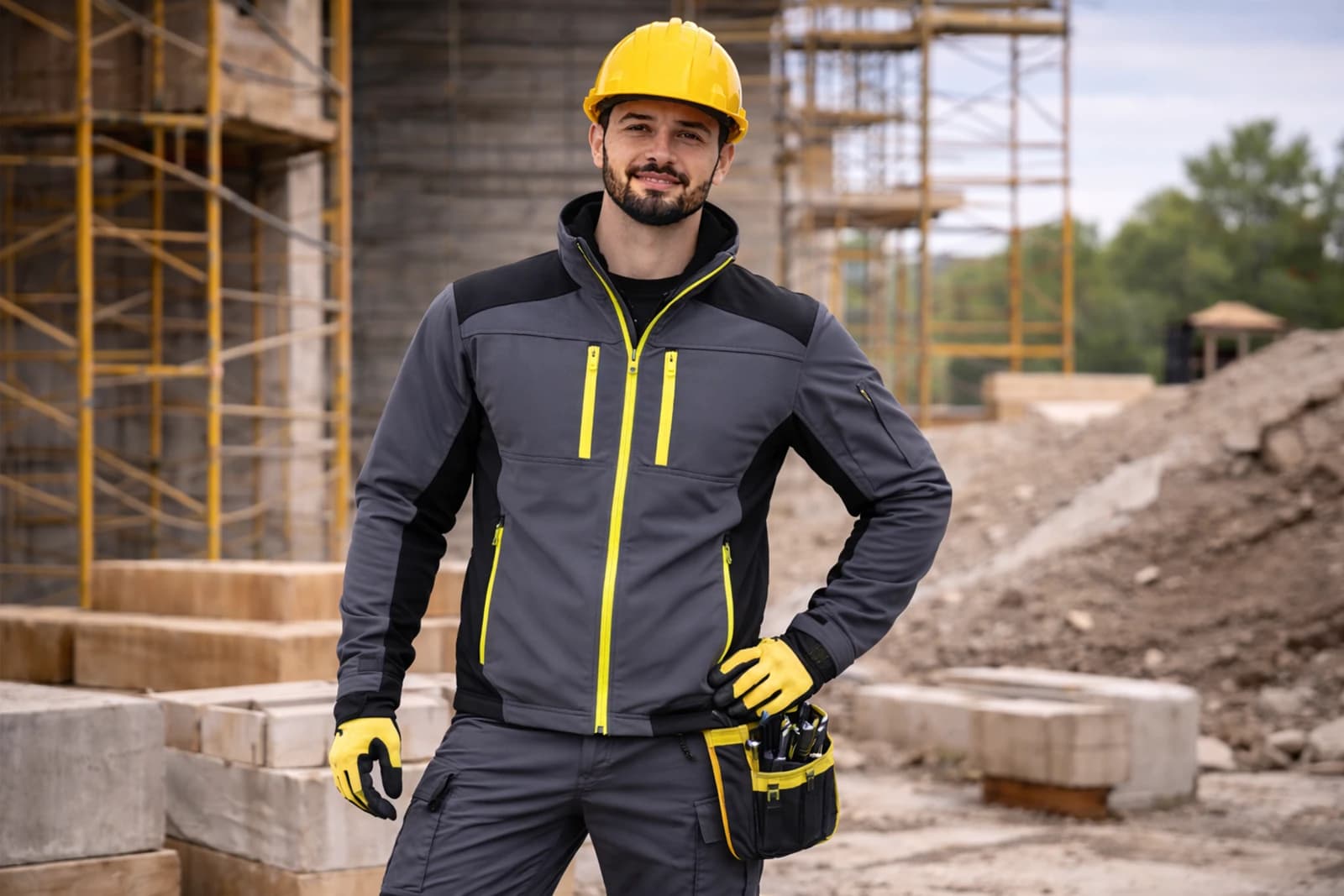
Construction Softshell Set
Flexible jacket and trouser set built for crews working across changing weather conditions.