How Custom Workwear OEM Works: A Step-by-Step Guide for Middle East Buyers
Many GCC buyers ordering branded workwear from China for the first time are unsure how OEM customization actually works. This guide walks through the full process — from artwork preparation and sample approval to production, inspection, and delivery — so you know exactly what to expect and what questions to ask.

Buyer context
What procurement teams run into
<p>A UAE logistics company orders 1,500 polo uniforms with its company logo embroidered on the chest and a reflective strip on the sleeves. The procurement team sends a JPG of the logo and expects the finished garments to arrive in 30 days. The manufacturer receives the artwork, confirms the order, and begins production. When the shipment arrives in Dubai, the polo uniforms look correct at first glance — but the logo is visibly pixelated when inspected closely, the left sleeve reflective strip is placed 2 cm lower than the right, and the embroidery thread colour does not exactly match the company brand guideline. The procurement team cannot accept the delivery. The supplier offers a 15% discount, but the logistics director refuses — the uniforms are for customer-facing drivers and warehouse staff, and brand consistency is non-negotiable. The order goes back for rework, adding 25 days and USD 6,000 in airfreight costs.</p><p>In Qatar, a facilities management contractor places an order for 2,000 industrial coveralls with custom pocket placements, a radio loop on the left shoulder, and reflective chevron stripes on the legs and torso. The company submits a PDF drawing of the design. The manufacturer produces the bulk order based on the drawing without making a pre-production sample. When the coveralls arrive in Doha, the radio loop is positioned too close to the collar — it interferes with the wearer's head movement. The pocket depth is 2 cm shallower than specified, making it difficult to carry standard tools. The contractor must either accept the non-conforming coveralls or wait another six weeks for a corrected batch. Neither option is acceptable.</p><p>Both problems originate from the same root cause: the buyer and the manufacturer did not align on the customization process before production began. OEM workwear — garments that carry a company's brand, specifications, and design details — follows a specific workflow that includes artwork file requirements, mock-up approval, sample confirmation, trim sourcing, and inspection standards. Skipping or misunderstanding any step creates risk. For Middle East buyers placing their first or second OEM order from a Chinese manufacturer, understanding this process is the single most effective way to avoid costly mistakes.</p>
Sourcing approach
How a factory partner can respond
<h2>Step 1: Artwork Preparation and File Formats</h2><p>The customization process begins with your logo or design artwork, and the format you send matters more than most buyers expect. For embroidery, the manufacturer needs a vector file — typically .AI (Adobe Illustrator), .EPS, or .DST (the native embroidery digitisation format) — not a .JPG or .PNG. A vector file allows the embroidery machine operator to trace the logo path precisely and create the stitch file without guessing outlines. If you only have a raster image like a JPG or PNG, the manufacturer can digitise it for you, but this adds 2 to 3 days and typically a one-time digitisation fee of USD 30 to 60 per design. For screen printing, vector files are also preferred (.AI, .EPS, or .PDF with embedded fonts), but a high-resolution PNG (300 DPI or higher) is acceptable for simple solid-colour logos. For heat transfer or silicone patches, the artwork must be provided as a vector outline with PMS (Pantone Matching System) colour codes so the patch manufacturer can match your brand colours exactly.</p><p>Colour specification is another common gap. Many buyers say "dark blue" or "match the logo" without providing a PMS or CMYK reference. This results in colour variation between the artwork and the finished embroidery thread or print. The correct practice: provide thread colour references using Madeira or Coats thread codes, or supply PMS numbers for printed elements. Most Chinese OEM manufacturers can match any PMS colour but need the reference in advance — colour matching during bulk production is costly to correct.</p><h2>Step 2: Sample Approval — The Most Important Step</h2><p>Never skip the pre-production sample. A sample serves three purposes: it confirms the garment fit and sizing, it validates the placement and appearance of all custom elements (logos, reflective tape, pocket positions, trim colours), and it establishes the quality benchmark that the bulk production must match. For a new OEM design, the sample process takes 10 to 14 days and involves: pattern making (3 to 5 days), cutting and sewing the first sample (3 days), photographing and shipping or video-calling for approval (2 days), and making adjustments if needed (2 to 4 days). For logo placement, the sample must show the exact position measured from a fixed reference point such as the collar seam or centre front — not "centred on the chest" which can shift by 2 to 3 cm depending on the person wearing the sample.</p><p>When reviewing the sample, check: garment dimensions (chest width, length, sleeve length, hem circumference for polo uniforms) against the spec sheet, logo size and position in millimetres, embroidery stitch count (too many stitches per square centimetre causes puckering; too few looks thin), reflective tape application (straight, properly heat-sealed or sewn, correct width), and button, zip, and pocket functionality. Document all changes in writing and request a sealing sample — the final approved sample that seals the production specification — before giving the go-ahead for bulk manufacturing.</p><h2>Step 3: Production, Inspection, and Delivery</h2><p>Once the sealing sample is approved, bulk production follows. For a typical OEM order of 1,000 to 3,000 pieces, production takes 25 to 40 days depending on fabric availability and factory load. During production, the buyer should request mid-production photos or a video call to verify that the first 50 to 100 pieces coming off the line match the sealing sample. This is particularly important for orders with multiple custom features — pocket placement on coveralls, logo alignment on polo uniforms, or reflective tape positioning on hi-vis jackets.</p><p>Final inspection follows AQL (Acceptable Quality Limit) standards. For most workwear OEM orders, AQL 2.5 is the standard — meaning no more than 2.5% of the sampled pieces may have major defects. The inspection covers: garment construction (seam strength, stitch density, thread tension), trim quality (zippers, buttons, snaps), label accuracy (care label, size label, brand label), logo and print quality (colour accuracy, registration, adhesion), packaging (polybag, carton strength, carton marking). Experienced GCC buyers request a third-party inspection or a video-call inspection before shipment. A good Chinese OEM manufacturer like Sidaier provides this as a standard part of the service, with a detailed inspection report and photos of the inspected cartons.</p><p>For the logistics company in our opening story, the solution was straightforward: convert the logo to an .AI vector file, confirm PMS colour codes with the thread supplier, add a reflective strip placement diagram with measurements in the spec sheet, and approve a sealing sample before bulk production. The second order arrived on time, with logos correctly embroidered at the specified position, reflective strips at equal height on both sleeves, and thread colour matching the brand standard exactly.</p>
Recommended Products
Products that fit this use case
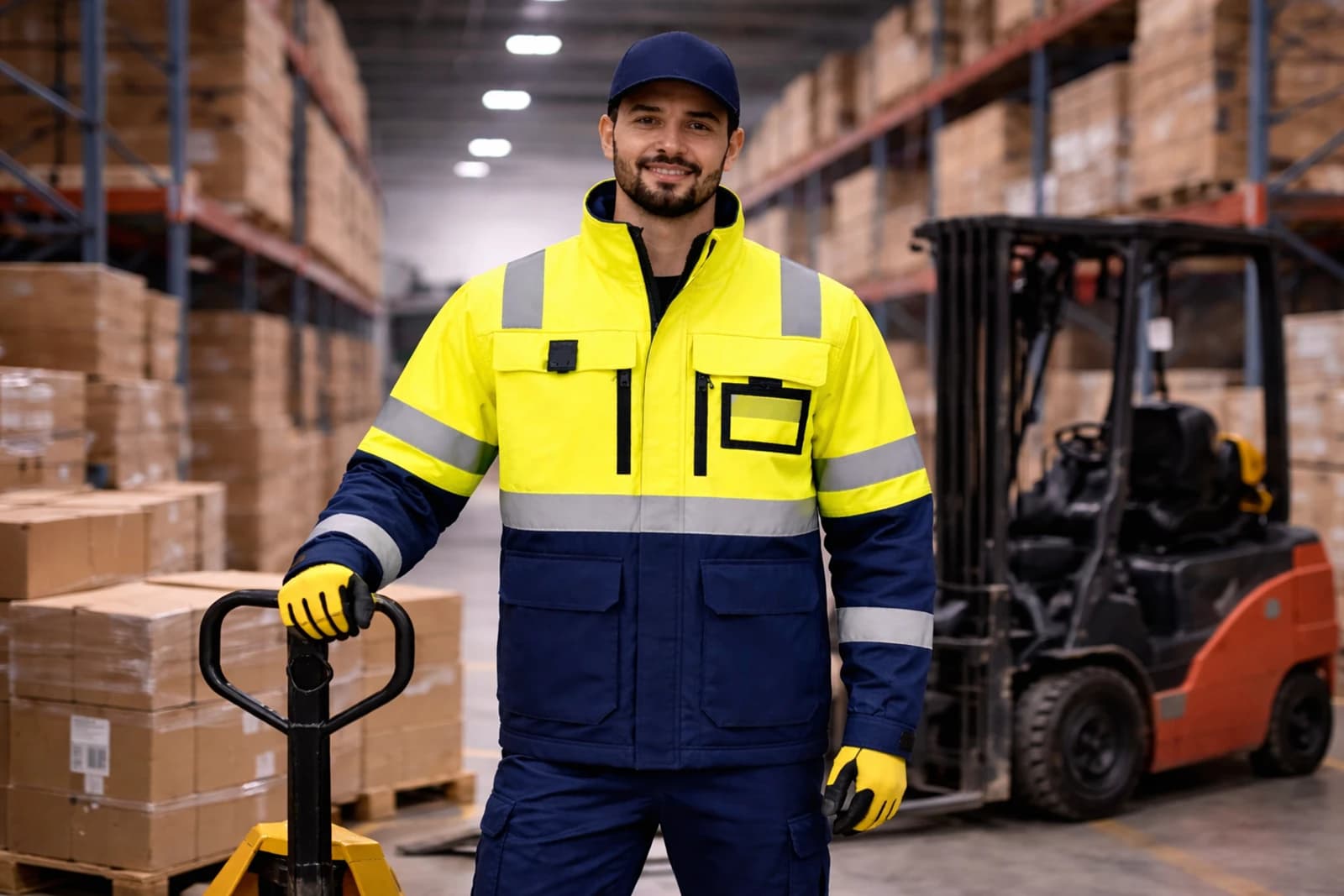
Safety Uniform
Hi-Vis Safety Jacket
Reflective safety jacket for high-visibility site operations and road work crews.
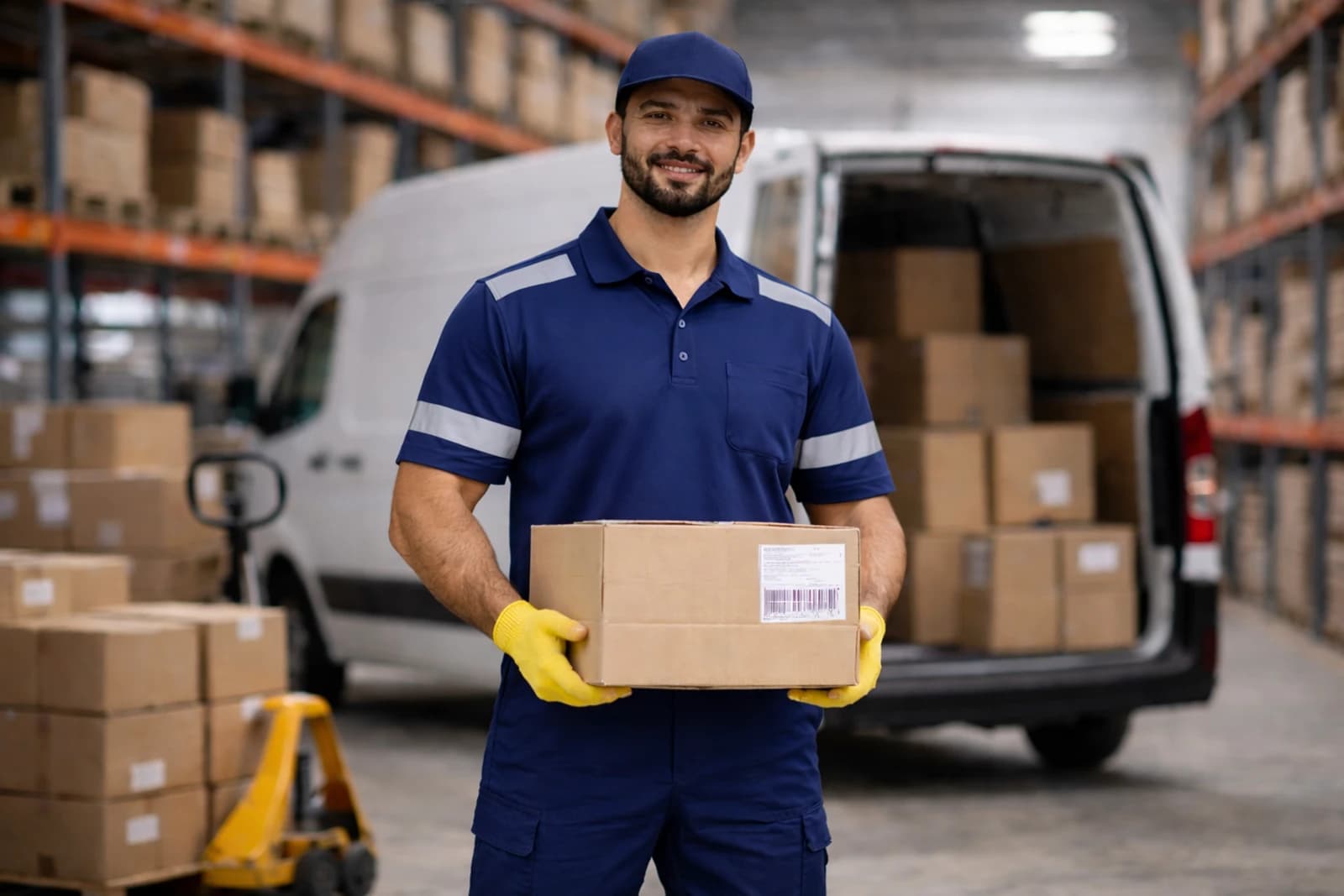
Logistics Uniform
Logistics Polo Uniform
Breathable uniform polo for warehouse, delivery, and last-mile teams.
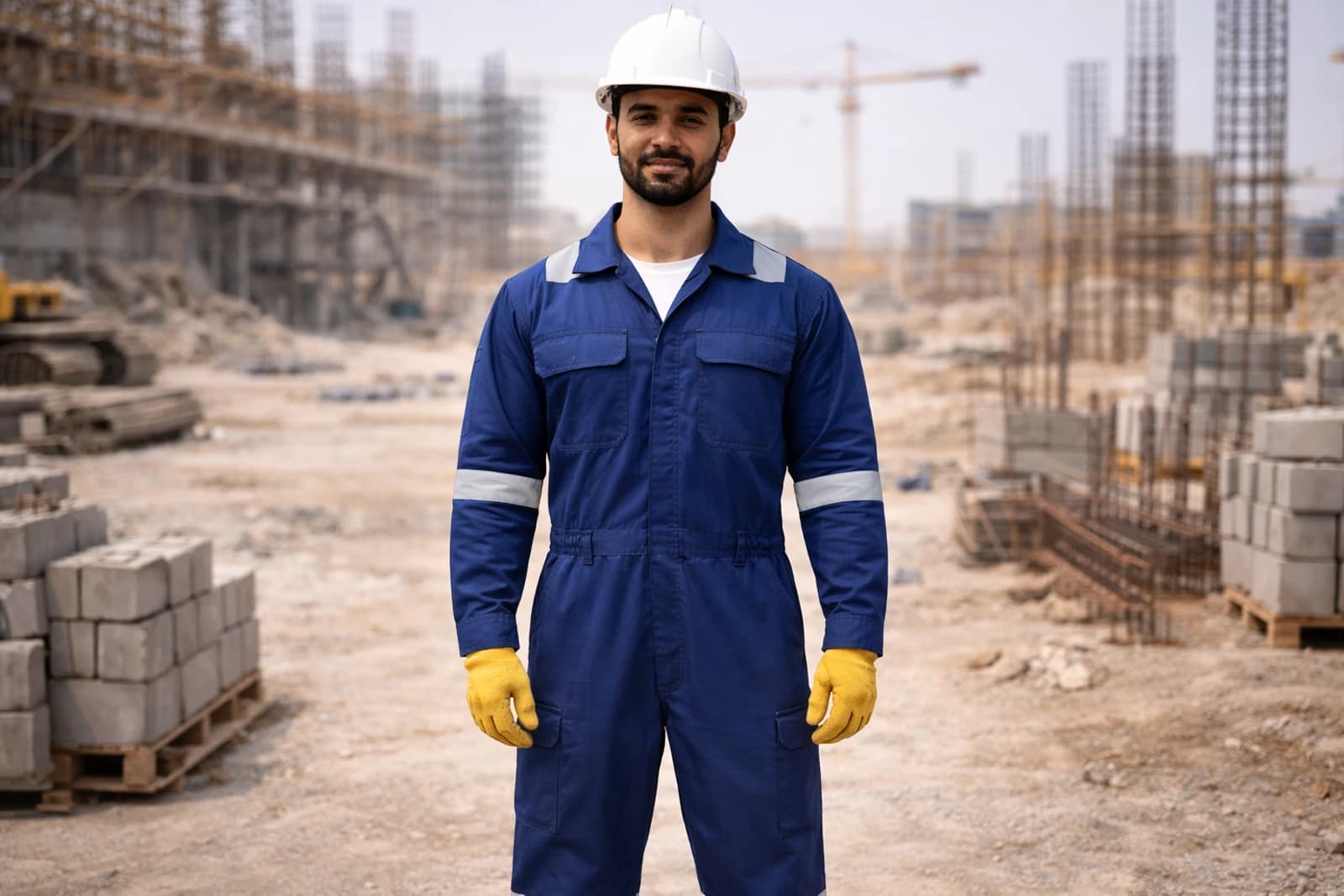
Industrial Workwear
Industrial Coverall Pro
Hard-wearing one-piece coverall for plant, maintenance, and heavy-duty operations.
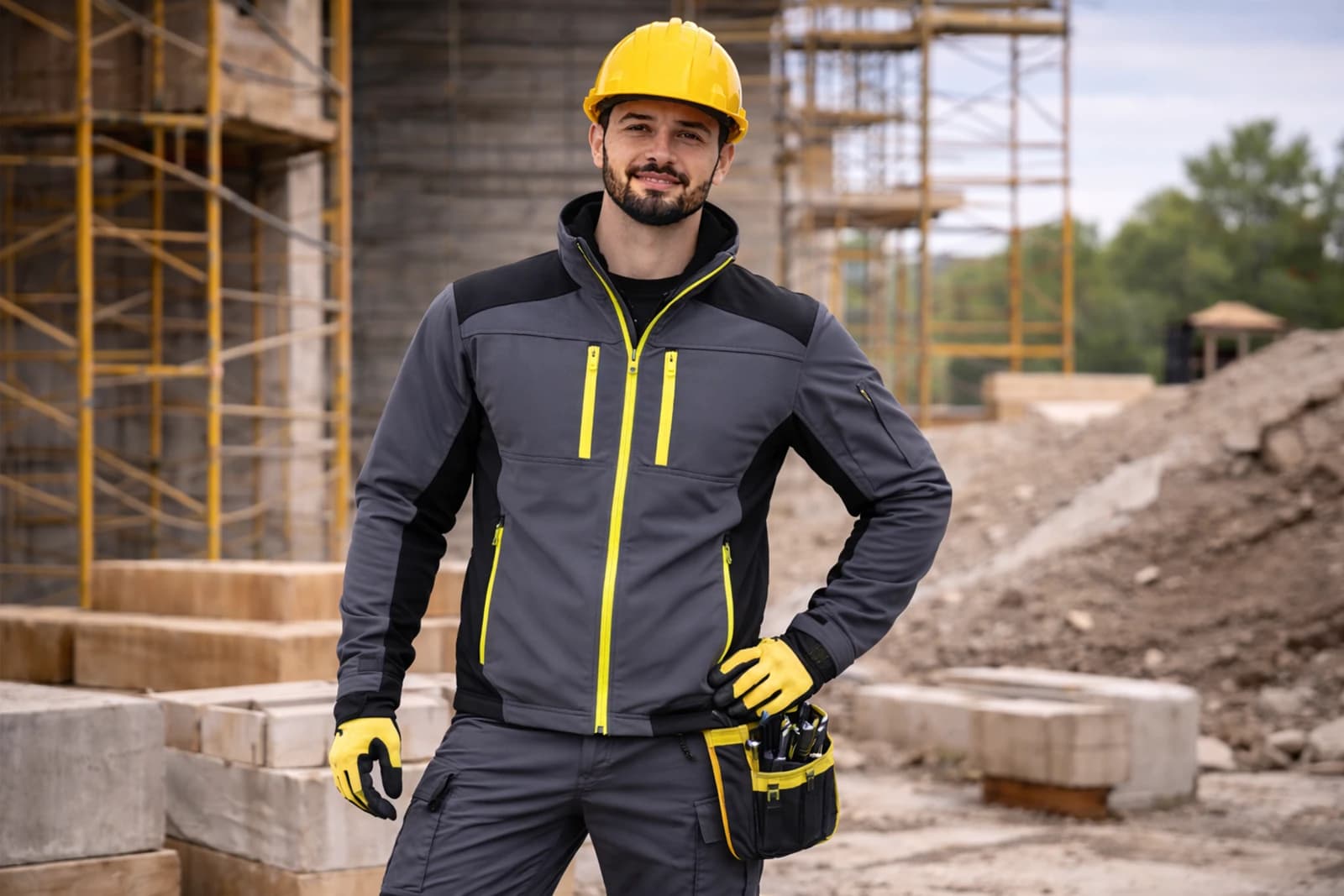
Construction Clothing
Construction Softshell Set
Flexible jacket and trouser set built for crews working across changing weather conditions.