Electrified Rail Maintenance Requires Arc-Rated Hi-Vis, Not Standard Vests
Railway maintenance buyers specify high-visibility garments for workers on electrified lines, then discover that standard hi-vis polyester vests melt and ignite when an arc flash occurs. The root cause: standard hi-vis garments address visibility to train operators but do not address the arc-flash hazard from third-rail (600–750 V DC) or overhead catenary (25 kV AC) systems. The result: workers are visible to train operators but unprotected against electrical arc flash — creating a burn injury risk that visibility compliance does not cover. This article covers the arc-flash hazard on electrified rail, the procurement specification for arc-rated hi-vis garments, and the layering protocol that protects workers from both visibility and electrical hazards.
Buyer context
What procurement teams run into
Railway maintenance workwear on electrified lines presents a specification gap that most buyers do not recognise until they see burn injuries from arc flash incidents. The core issue: buyers specify high-visibility garments (EN ISO 20471 Class 2 or Class 3) for workers who operate near live tracks, assuming that visibility to train operators is the primary hazard. But electrified rail systems — third-rail DC (600–750 V) and overhead catenary AC (25 kV) — create an arc-flash hazard that standard hi-vis polyester garments cannot address. When a worker on an electrified line experiences an arc flash (from a tool bridging live conductors, a flashover from overhead catenary, or a third-rail short circuit), the arc generates temperatures of 3,500–19,000°C. Standard polyester hi-vis garments melt at 250–300°C and ignite at 500–600°C. The molten polyester adheres to the worker's skin, causing severe burn injuries that are more difficult to treat than the arc-flash burn itself. **1. The arc-flash hazard on electrified rail lines** Electrified rail systems present two arc-flash exposure scenarios: - **Third-rail systems (600–750 V DC):** The third rail runs alongside the running rails and supplies traction power to trains. The third rail is exposed (uninsulated) and carries 600–750 V DC. Workers who operate near the third rail — during track maintenance, signal work, or infrastructure inspection — face the risk of a third-rail short circuit if a conductive tool or garment component bridges the third rail and the running rail. The short circuit generates an arc flash with incident energy ranging from 4–40 cal/cm², depending on the fault current and the duration of the arc. - **Overhead catenary systems (25 kV AC):** Overhead catenary wires carry 25 kV AC at 50 or 60 Hz. Workers who operate below or near overhead catenary — during bridge inspection, tunnel maintenance, or overhead structure work — face the risk of a flashover if a conductive object (tool, ladder, garment component) approaches within the minimum approach distance (typically 1–3 metres, depending on voltage and jurisdiction). The flashover generates an arc flash with incident energy ranging from 8–80 cal/cm², depending on the fault current and the duration of the arc. In both scenarios, the arc flash generates intense thermal energy that ignites or melts standard polyester garments. The worker wearing a standard hi-vis polyester vest experiences the vest melting onto the skin, causing severe burn injuries that are compounded by the difficulty of removing molten polyester from burned tissue. **2. Standard hi-vis polyester fails in arc-flash exposure** Standard hi-vis garments are made from polyester or polyester-cotton blend fabric. The fluorescent background material and retroreflective tape are designed for visibility, not for thermal protection. The garment's performance in an arc-flash exposure: - **Polyester fabric:** Melts at 250–300°C and ignites at 500–600°C. When polyester melts, the molten polymer adheres to the skin, continuing to burn and causing deep-tissue thermal injury. The molten polyester is extremely difficult to remove from burned skin — medical treatment requires surgical debridement of the polyester residue along with the burned tissue. - **Retroreflective tape:** Standard retroreflective tape (glass bead or microprismatic) is bonded to a polyester or PVC backing. The tape backing melts and ignites at the same temperature as the polyester fabric. The tape does not provide thermal protection — it provides visibility only. - **Cotton blend fabric:** Polyester-cotton blend fabric (65% polyester, 35% cotton) burns more slowly than 100% polyester but still ignites and continues to burn after the arc-flash event. Cotton alone is combustible and does not self-extinguish. The worker wearing standard hi-vis polyester in an arc-flash exposure faces burn injuries from the garment itself — the garment becomes a burn accelerator, not a burn barrier. **3. The procurement mistake: specifying visibility without arc rating** The most common procurement error is to specify hi-vis garments for electrified rail workers based on visibility compliance (EN ISO 20471) without specifying arc-rating (ATPV or EBT rating). The logic: "If the garment is hi-vis, workers are protected on the railway." But this logic addresses only one hazard (visibility to train operators) and ignores the second hazard (arc flash from electrified systems). The buyer who specifies visibility without arc rating faces two risks: - **Burn injuries:** Workers experience burn injuries from arc flash because the garment melts or ignites. The burn injuries are compounded by molten polyester adhering to the skin, requiring surgical debridement and extended medical treatment. - **Regulatory non-compliance:** Railway safety regulators (ORR in the UK, FRA in the US, equivalent bodies in other jurisdictions) require arc-rated PPE for workers who operate within the minimum approach distance of electrified rail systems. A buyer who specifies hi-vis without arc rating fails the regulatory requirement for arc-flash PPE, even though the worker is visible to train operators. Neither outcome is acceptable. The buyer must specify arc-rated hi-vis garments that address both visibility and arc-flash hazards simultaneously. **4. The arc-rated hi-vis specification for electrified rail** The procurement specification for electrified rail workwear must include arc-rating requirements alongside visibility requirements: - **Arc thermal performance value (ATPV):** Specify the minimum ATPV for the garment based on the arc-flash incident energy calculated for the worker's task and location. ATPV is measured in cal/cm² and represents the garment's ability to block thermal energy from an arc flash. For third-rail work (4–40 cal/cm² incident energy), specify a minimum ATPV of 8 cal/cm² for routine track work and 20 cal/cm² for work within 1 metre of the third rail. For overhead catenary work (8–80 cal/cm² incident energy), specify a minimum ATPV of 20 cal/cm² for routine work below catenary and 40 cal/cm² for work within 3 metres of live catenary. - **Arc-rated fabric:** Specify arc-rated fabric that achieves the required ATPV without melting or igniting. Arc-rated fabrics include: - **Inherent arc-rated polyester:** Polyester fibres treated with flame-retardant chemistry that is inherent to the fibre (not a surface coating). Inherent arc-rated polyester does not melt at arc-flash temperatures and self-extinguishes when the arc event ends. ATPV ranges from 8–40 cal/cm² depending on fabric weight and construction. - **Arc-rated cotton blend:** Cotton blended with arc-rated synthetic fibres (modacrylic or aramid). The cotton provides comfort and breathability; the arc-rated synthetic fibres provide thermal protection. Arc-rated cotton blend does not ignite and self-extinguishes. ATPV ranges from 8–25 cal/cm² depending on fabric weight and blend ratio. - **Aramid fabric (Nomex, Kevlar):** Aramid fibres are inherently arc-rated and do not melt or ignite at arc-flash temperatures. Aramid fabric provides the highest ATPV (20–80 cal/cm²) but is more expensive and less breathable than arc-rated polyester or cotton blends. - **Hi-vis compliance:** The arc-rated fabric must also meet EN ISO 20471 hi-vis requirements. Specify fluorescent background material (orange, yellow, or red) that meets the minimum area requirements for Class 2 or Class 3. Specify retroreflective tape that is arc-rated (tape backing made from arc-rated material) and meets EN ISO 20471 reflectivity requirements. - **Garment construction:** Specify arc-rated thread for all seams. Specify arc-rated zippers (plastic zippers with arc-rated tape) or metal zippers covered with arc-rated fabric flaps. Specify arc-rated snap buttons or hook-and-loop closures. No non-arc-rated components (standard polyester labels, standard elastic cuffs, non-arc-rated pocket lining) may be used in the garment. **5. The layering protocol for arc-rated hi-vis on electrified rail** Arc-rated hi-vis garments must be worn as part of a layering system that maintains arc protection across all layers: - **Base layer:** Specify an arc-rated base layer (inherent arc-rated polyester or modacrylic blend) worn directly against the skin. The base layer provides additional arc protection and prevents non-arc-rated undergarments (cotton t-shirts, synthetic sportswear) from melting against the skin during an arc flash. The base layer must be arc-rated to at least 4 cal/cm². - **Mid layer (if required):** Specify an arc-rated mid layer (arc-rated fleece or arc-rated quilted garment) for cold-weather work. The mid layer must be arc-rated to at least 8 cal/cm² and must not compromise the outer garment's fit or hi-vis area. - **Outer layer:** Specify the arc-rated hi-vis garment (jacket, coverall, or vest) as the outer layer. The outer layer must meet the ATPV requirement for the worker's task and must display the required hi-vis area. The layering system must be validated as a complete system — the total ATPV of the layering system (base + mid + outer) is higher than the ATPV of any single layer. The buyer must specify arc-testing for the complete layering system, not just the outer garment. **6. The inspection and replacement protocol for arc-rated hi-vis** Arc-rated garments degrade over time as the fabric is washed, worn, and exposed to UV light. The inspection and replacement protocol: - **Pre-wear inspection:** Workers inspect arc-rated garments before each wear for holes, tears, thinning fabric, or damaged retroreflective tape. A garment with a hole or tear exposes non-arc-rated underlayers and must be removed from service. - **Wash-cycle tracking:** Track the number of wash cycles for each arc-rated garment. Arc-rated fabrics lose ATPV after repeated washing (typically after 25–50 wash cycles, depending on fabric type and washing conditions). Specify garment replacement based on wash-cycle count — do not wait for visible degradation. - **Periodic arc-testing:** Require the supplier to provide arc-testing data for garment samples after 10, 25, and 50 wash cycles. Confirm that the garment maintains the required ATPV throughout its service life. If the garment's ATPV drops below the required threshold after 25 wash cycles, reduce the replacement interval to 20 wash cycles.
Sourcing approach
How a factory partner can respond
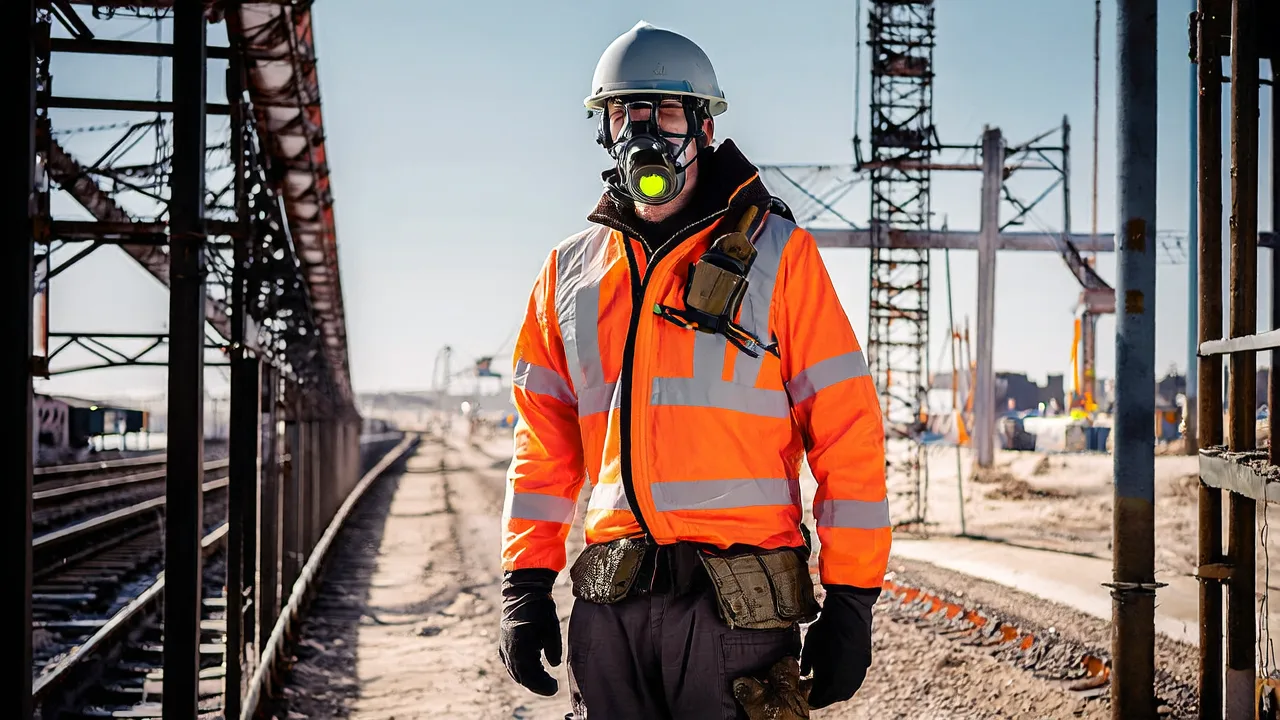
The solution for electrified rail workwear is to specify arc-rated hi-vis garments that address both visibility and arc-flash hazards, implement a layering protocol that maintains arc protection across all layers, and pilot arc-rated garments with railway maintenance crews before full fleet commitment. **Step 1: Specify arc-rated hi-vis in the procurement specification** Include the following requirements in the procurement specification: - **ATPV rating:** Specify the minimum ATPV based on the arc-flash incident energy calculated for the worker's task. For third-rail work, specify minimum ATPV of 8 cal/cm² (routine track work) or 20 cal/cm² (work within 1 metre of third rail). For overhead catenary work, specify minimum ATPV of 20 cal/cm² (routine work below catenary) or 40 cal/cm² (work within 3 metres of live catenary). - **Arc-rated fabric:** Specify inherent arc-rated polyester, arc-rated cotton blend, or aramid fabric that achieves the required ATPV without melting or igniting. Require the supplier to provide arc-testing data (ASTM F1959 or IEC 61482-1-2) for the fabric. - **Hi-vis compliance:** Specify EN ISO 20471 Class 2 or Class 3 compliance for the arc-rated garment. Require arc-rated retroreflective tape that meets both arc-rating and reflectivity requirements. - **Garment construction:** Specify arc-rated thread, arc-rated zippers, and arc-rated closures for all components. No non-arc-rated components may be used in the garment. **Step 2: Specify the layering protocol** Include the following requirements in the workwear service contract: - **Arc-rated base layer:** Specify an arc-rated base layer (minimum 4 cal/cm²) worn directly against the skin. No non-arc-rated undergarments are permitted beneath arc-rated outer garments. - **Arc-rated mid layer (if required):** Specify an arc-rated mid layer (minimum 8 cal/cm²) for cold-weather work. The mid layer must not compromise the outer garment's fit or hi-vis area. - **System arc-testing:** Require arc-testing for the complete layering system (base + mid + outer) to validate the total ATPV. **Step 3: Pilot arc-rated garments before full fleet commitment** Before committing to a full fleet order, pilot arc-rated hi-vis garments with 10–15 railway maintenance workers for 8–12 weeks: - **Arc-flash incident monitoring:** Monitor arc-flash incidents (near-misses, flashovers, short circuits) during the pilot period. Record whether arc-rated garments provide thermal protection during arc-flash events. If an arc-flash incident occurs, inspect the garment for melting, ignition, or thermal degradation. - **Worker comfort and mobility:** Survey workers on thermal comfort, breathability, and mobility during railway maintenance tasks. Arc-rated fabrics may be heavier or less breathable than standard hi-vis polyester; confirm that workers adapt to the difference. If workers report overheating or restricted mobility, specify a lighter arc-rated fabric or a more breathable construction — but re-test for ATPV to confirm that the adjustment does not compromise arc protection. - **Garment inspection:** Inspect garments weekly for holes, tears, thinning fabric, or damaged retroreflective tape. Replace garments that show signs of degradation before the pilot is complete. - **Wash-cycle tracking:** Track wash cycles for each garment during the pilot. Confirm that garments maintain ATPV after 10, 25, and 50 wash cycles. **Step 4: Adjust the specification based on pilot data** After the pilot, adjust the garment specification: - **If workers report overheating:** Specify a lighter arc-rated fabric (lower GSM) or a more breathable construction (mesh-lined vents, open-weave fabric). Ensure that the adjusted garment still meets the required ATPV — validate with arc-testing. - **If retroreflective tape degrades:** Specify more durable arc-rated retroreflective tape (stitched rather than heat-bonded, or tape with a more durable backing). Require the supplier to improve tape adhesion. - **If garments fail arc-testing after 25 wash cycles:** Reduce the replacement interval to 20 wash cycles. Investigate whether the washing method (detergent type, water temperature, drying method) is degrading the arc-rated fabric. Specify a garment care protocol that preserves arc-rating performance. **Recommended garments for electrified rail workwear:** - **Hi-vis safety jacket** — specify the arc-rated version with inherent arc-rated polyester fabric (minimum ATPV 8 cal/cm²) and arc-rated retroreflective tape meeting EN ISO 20471 Class 2. The hi-vis jacket provides visibility to train operators and arc-flash protection for workers who operate near third-rail or overhead catenary systems. Specify the jacket with arc-rated zippers, arc-rated thread, and arc-rated closures. The hi-vis jacket serves as the outer layer in the arc-rated layering system. - **Industrial coverall-pro** — specify the arc-rated version with inherent arc-rated polyester or aramid fabric (minimum ATPV 20 cal/cm²) for workers who operate within 1 metre of third-rail or within 3 metres of live overhead catenary. The coverall provides full-body arc-flash protection and hi-vis visibility for high-exposure tasks. Specify the coverall with arc-rated zippers, arc-rated snaps, and arc-rated retroreflective tape. The coverall is worn by workers who perform track maintenance, signal work, or infrastructure inspection on electrified lines.
Recommended Products
Products that fit this use case

Safety Uniform
Hi-Vis Safety Jacket
Reflective safety jacket for high-visibility site operations and road work crews.

Industrial Workwear
Industrial Coverall Pro
Hard-wearing one-piece coverall for plant, maintenance, and heavy-duty operations.