Foundry Workwear Specification: What to Define Before Sending an RFQ
Metal foundries expose workers to molten metal splash, radiant heat, scale, and sparks. Generic workwear specifications don't capture these hazards, leading to supplier quotes that miss critical protection requirements. This article covers the hazard profile buyers must document, fabric and construction criteria that address foundry-specific degradation, and the specification details suppliers need to quote accurately without back-and-forth clarification rounds.
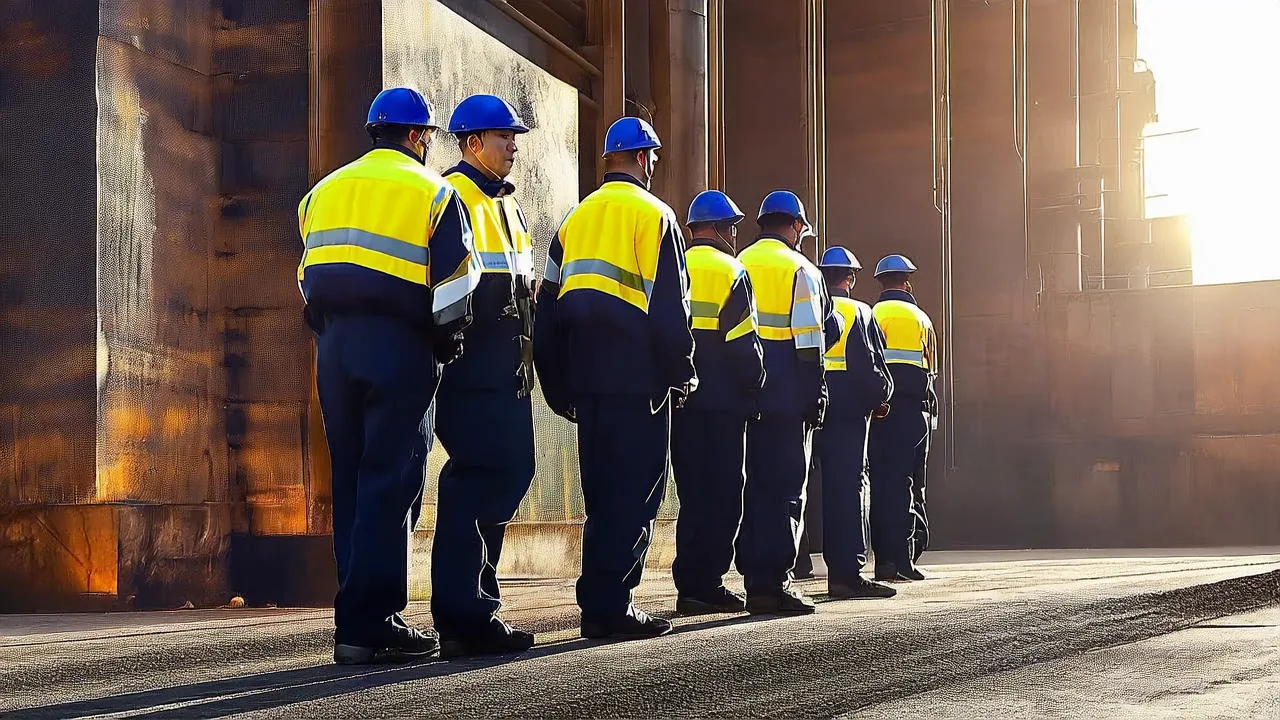
Buyer context
What procurement teams run into
Foundries — casting ferrous and non-ferrous metals into shapes — expose workers to hazards that generic workwear specifications don't address: molten metal splash (iron, steel, aluminum, bronze at temperatures exceeding 1,000°C), radiant heat (from furnaces, ladles, and freshly cast pieces), scale and slag (oxidized metal that flakes off surfaces and embeds in fabric), and sparks (from grinding, cutting, and chipping operations). When buyers send RFQs with generic specifications ("heavy-duty coveralls for industrial use"), suppliers quote standard workwear that doesn't address these foundry-specific hazards, leading to garments that degrade rapidly, create safety risks, or require costly re-specification cycles. The mechanism: **1. Molten metal splash requires fabric that resists penetration and doesn't adhere to skin** Molten metal splash is the primary lethal hazard in foundries. When molten metal contacts standard workwear fabric, it can penetrate through fabric weave and contact skin, causing severe burns. Some synthetic fabrics (polyester, nylon) melt when exposed to molten metal, creating molten plastic that adheres to skin and creates compounded burns (thermal + chemical from melting polymer). The root cause: standard workwear fabrics are not designed for molten metal resistance. Cotton fabrics can char and provide some protection but allow molten metal to penetrate through weave structure. Synthetic fabrics melt and adhere to skin. Without specifying fabric that resists molten metal penetration and doesn't melt/adhere, workers face lethal burn risks. **2. Radiant heat requires fabric that reflects heat and maintains insulation without trapping sweat** Foundry workers operate near furnaces, ladles, and freshly cast pieces that radiate intense heat (ambient temperatures can exceed 50°C near heat sources). Workers need fabric that reflects radiant heat away from the body and provides thermal insulation without trapping sweat (which creates overheating and discomfort). The root cause: standard workwear fabrics absorb radiant heat rather than reflecting it. Dark-colored fabrics absorb more radiant heat. Heavy-weight fabrics provide insulation but trap sweat, creating overheating. Without specifying fabric with radiant heat reflection properties and breathable construction, workers face heat stress and reduced productivity. **3. Scale and slag embed in fabric and create mechanical abrasion and skin irritation** Scale (oxidized metal that flakes off surfaces) and slag (non-metallic residue from smelting) are sharp, angular particles that embed in fabric weave. Embedded scale and slag create mechanical abrasion against skin (causing irritation and cuts) and accelerate fabric degradation (particles work through fabric fibers during body movement). The root cause: standard workwear fabrics with loose weave or lightweight construction allow scale and slag to penetrate and embed. Smooth fabric surfaces resist particle embedding. Without specifying tight-weave fabric with smooth surface finish, workers face skin irritation and rapid fabric degradation. **4. Sparks from grinding and cutting operations ignite standard fabrics** Grinding, cutting, and chipping operations generate sparks that land on workwear. Standard cotton and cotton-blend fabrics can ignite from spark contact, creating burn risks and fabric damage (holes, charring). The root cause: standard workwear fabrics are not flame-resistant. Cotton fabrics ignite from spark contact. Flame-resistant (FR) fabrics resist ignition and self-extinguish when the ignition source is removed. Without specifying FR fabric, workers face burn risks from spark ignition. **5. Generic specifications create supplier quote ambiguity and re-specification cycles** When buyers send RFQs with generic specifications ("heavy-duty coveralls for foundry use"), suppliers interpret "heavy-duty" differently. One supplier quotes 280 gsm cotton coveralls, another quotes 350 gsm polyester-cotton blend, another quotes FR-treated fabric. The buyer receives incomparable quotes, must clarify requirements, and restart the quoting process — creating delays and procurement cycle extensions. The root cause: generic specifications don't define the hazard profile, fabric requirements, construction features, or performance criteria that suppliers need to quote accurately. Without specific hazard-based specification, suppliers quote to their interpretation of "heavy-duty," creating quote incomparability and re-specification cycles. **6. The cost of getting it wrong** The buyer who sends foundry workwear RFQs with generic specifications faces: - Incomparable quotes (suppliers quote different fabric weights, constructions, and treatments) - Re-specification cycles (clarifying requirements after receiving quotes, restarting the process) - Garments that don't address foundry hazards (standard workwear that degrades rapidly or creates safety risks) - Procurement delays (extended quote cycles pushing back delivery timelines) The buyer who sends foundry workwear RFQs with hazard-based specifications faces: - Comparable quotes (suppliers quote to the same specification) - Efficient procurement (quotes received match requirements, reducing clarification cycles) - Garments that address foundry hazards (FR fabric, molten metal resistance, radiant heat reflection, scale resistance) - Timely delivery (procurement cycles completed on schedule)
Sourcing approach
How a factory partner can respond
The solution is a foundry workwear specification that documents the hazard profile, defines fabric and construction criteria that address foundry-specific degradation, and provides the detail suppliers need to quote accurately without back-and-forth clarification. **Step 1: Document the hazard profile for each foundry zone** Foundries have distinct zones with different hazard profiles. Document the specific hazards for each zone before writing the specification: - **Melting and pouring areas:** molten metal splash (iron, steel, aluminum, bronze), radiant heat (furnace, ladle, pouring operations), scale and slag (from furnace linings and ladle surfaces), sparks (from furnace maintenance operations). Workers face the highest hazard exposure in these areas. - **Casting and molding areas:** molten metal splash (from pouring operations), radiant heat (from freshly cast pieces), scale (from mold surfaces), lower spark exposure than melting areas. - **Fettling and finishing areas (grinding, cutting, chipping):** sparks (from grinding and cutting operations), scale and slag (from cast surface removal), mechanical abrasion (from handling rough castings), lower molten metal splash exposure. - **Heat treatment areas:** radiant heat (from heat treatment furnaces), lower molten metal splash exposure, scale (from heat treatment processes). - **Yard and storage areas:** mechanical abrasion (from handling castings), weather exposure, lower thermal and spark exposure. The hazard profile documentation ensures that the specification addresses zone-specific hazards rather than applying one specification to all zones. **Step 2: Specify fabric criteria that address molten metal, radiant heat, scale, and spark hazards** For foundry workwear, specify fabrics that address the four primary hazards: - **Molten metal resistance:** specify fabric that resists molten metal penetration and doesn't melt or adhere to skin. For ferrous foundries (iron, steel), specify tightly woven, heavyweight cotton or cotton-blend fabric (minimum 300 gsm) that chars rather than melts when exposed to molten metal splash. Cotton chars and provides a protective barrier; synthetic fibers (polyester, nylon) melt and adhere to skin, creating compounded burns. For non-ferrous foundries (aluminum, bronze), specify fabric with a smooth, tightly woven surface that prevents molten metal from penetrating weave structure. - **Flame resistance (FR):** specify FR-treated fabric or inherently FR fabric (aramid blends, FR cotton) for all foundry zones. FR fabric resists ignition from spark contact and self-extinguishes when the ignition source is removed. Specify FR fabric that maintains FR properties after 50 wash cycles (require supplier wash durability testing data). - **Radiant heat reflection:** specify fabric with a light color (khaki, tan, light gray) that reflects radiant heat rather than absorbing it. Dark-colored fabrics (navy, black) absorb radiant heat, increasing heat stress. Specify fabric with a tight weave that provides thermal insulation without excessive weight. - **Scale and slag resistance:** specify fabric with a smooth surface finish (calendered or singed) that prevents scale and slag particles from embedding in fabric weave. Smooth surfaces enable particles to brush off rather than embedding and creating abrasion. The fabric specification ensures that garments resist molten metal penetration, resist spark ignition, reflect radiant heat, and resist scale embedding — addressing the four primary foundry hazards. **Step 3: Specify construction features that prevent molten metal entry and scale trapping** For foundry workwear, specify construction features that prevent molten metal from entering through gaps and prevent scale from accumulating in fabric traps: - **Covered closures:** specify covered zippers with fabric flaps that cover the zipper teeth. Covered closures prevent molten metal splash from entering through zipper gaps. Specify closures with snap or button attachments that allow the fabric flap to lie flat and cover the closure completely. - **Elastic or snap cuffs:** specify cuffs that close tightly around the wrist to prevent molten metal splash and scale from entering through cuff gaps. Elastic cuffs or snap-adjustable cuffs seal the wrist opening. Specify cuffs with reinforced elastic that maintains tension after repeated washing and exposure to heat and sparks. - **Enclosed seams:** specify flat-felled seams or bound seams that enclose raw fabric edges. Enclosed seams prevent scale and slag from accumulating in seam crevices. Enclosed seams also reduce ignition risk — exposed seams can catch sparks and ignite. - **Minimal external pockets:** specify garments with minimal external pockets on the upper body for workers in high-spark areas. External pockets create scale traps and spark ignition points. Specify pockets on the lower body (thigh) with covered closures if pockets are required. - **No exposed elastic or drawcords:** specify garments without exposed elastic or drawcords at waist or hem. Exposed elastic can catch sparks and ignite. Specify waistbands with enclosed elastic or snap-adjustable closures. The construction specification ensures that garments prevent molten metal entry through gaps and prevent scale accumulation in fabric traps — reducing burn risks and fabric degradation. **Step 4: Include performance criteria that suppliers must meet and validate through testing** For foundry workwear, specify performance criteria that suppliers must meet and validate through testing data: - **FR durability:** specify that FR fabric must maintain flame resistance after 50 wash cycles. Require supplier testing data confirming that fabric maintains FR properties (self-extinguishing within 2 seconds after flame removal, char length less than 100 mm) after 50 wash cycles. - **Molten metal resistance:** specify that fabric must resist molten metal penetration (test method: EN ISO 11612 for molten metal splash resistance, or equivalent). Require supplier testing data confirming that fabric resists molten metal splash at specified volumes (e.g., 100g molten iron at 1,400°C). - **Radiant heat protection:** specify that fabric must provide radiant heat protection (test method: EN ISO 11612 for radiant heat transfer, or equivalent). Require supplier testing data confirming that fabric provides a minimum radiant heat protection factor (e.g., HTI > 10 seconds for radiant heat exposure). - **Fabric weight and durability:** specify minimum fabric weight (e.g., 300 gsm for melting/pouring areas, 260 gsm for fettling/finishing areas) and require supplier testing data confirming fabric maintains tensile strength and tear resistance after 25 wash cycles. The performance criteria ensure that suppliers quote fabric that meets foundry-specific protection requirements and validate protection through testing data. **Step 5: Structure the RFQ to enable comparable quotes** Structure the RFQ to enable comparable quotes from multiple suppliers: - **Hazard profile summary:** include the hazard profile documentation (Step 1) in the RFQ so suppliers understand the exposure environment. - **Fabric specification:** specify fabric type (FR-treated cotton, aramid blend, etc.), fabric weight (gsm), fabric construction (tight weave, smooth surface), and performance criteria (FR durability, molten metal resistance, radiant heat protection). - **Construction specification:** specify construction features (covered closures, elastic cuffs, enclosed seams, minimal pockets) and reference technical drawings or sketches if available. - **Quantity and size breakdown:** specify quantities by size and garment type (coveralls, jackets, trousers) to enable suppliers to quote accurately. - **Testing data requirements:** specify the testing data that suppliers must provide with their quote (FR wash durability, molten metal resistance, radiant heat protection) so that quotes are comparable on performance criteria. The RFQ structure ensures that suppliers quote to the same specification, enabling the buyer to compare quotes on price, delivery, and quality rather than clarifying requirements after receiving incomparable quotes. **Step 6: Evaluate supplier quotes against the specification** Evaluate supplier quotes against the specification to ensure that quoted garments meet foundry requirements: - **Fabric compliance:** verify that quoted fabric meets the specified fabric type, weight, construction, and performance criteria. Reject quotes that specify fabric that doesn't meet molten metal resistance, FR durability, or radiant heat protection requirements. - **Construction compliance:** verify that quoted garments include the specified construction features (covered closures, elastic cuffs, enclosed seams). Reject quotes that specify garments with construction features that create molten metal entry points or scale traps. - **Testing data validation:** verify that suppliers provide testing data confirming fabric performance (FR wash durability, molten metal resistance, radiant heat protection). Reject quotes that don't include testing data or include testing data that doesn't meet specified criteria. - **Price and delivery comparison:** compare quotes on price and delivery only after confirming fabric and construction compliance. Don't select the lowest price if the quoted garment doesn't meet foundry-specific requirements. The evaluation process ensures that the buyer selects a supplier whose quoted garment meets foundry-specific requirements, reducing the risk of procuring garments that don't provide adequate protection. **Recommended garments for foundry workwear:** - **Industrial coverall-pro** — specify the coverall for melting, pouring, casting, and fettling area workers who face direct molten metal splash, radiant heat, scale, and spark exposure. The coverall provides full body coverage, preventing molten metal contact with skin and personal clothing. Specify the coverall in FR-treated, heavyweight cotton fabric (300-350 gsm for melting/pouring areas, 260-300 gsm for fettling/finishing areas) with smooth surface finish. Specify the coverall with covered zippers, elastic cuffs, and enclosed seams that prevent molten metal entry through gaps. Specify the coverall in light colors (khaki, tan) that reflect radiant heat. Specify the coverall with wash durability testing data confirming that FR properties maintain effectiveness after 50 wash cycles. The coverall's full coverage, FR fabric, molten metal resistance, and radiant heat reflection make it suitable for foundry operations where molten metal, radiant heat, scale, and spark hazards are critical.
Recommended Products
Products that fit this use case
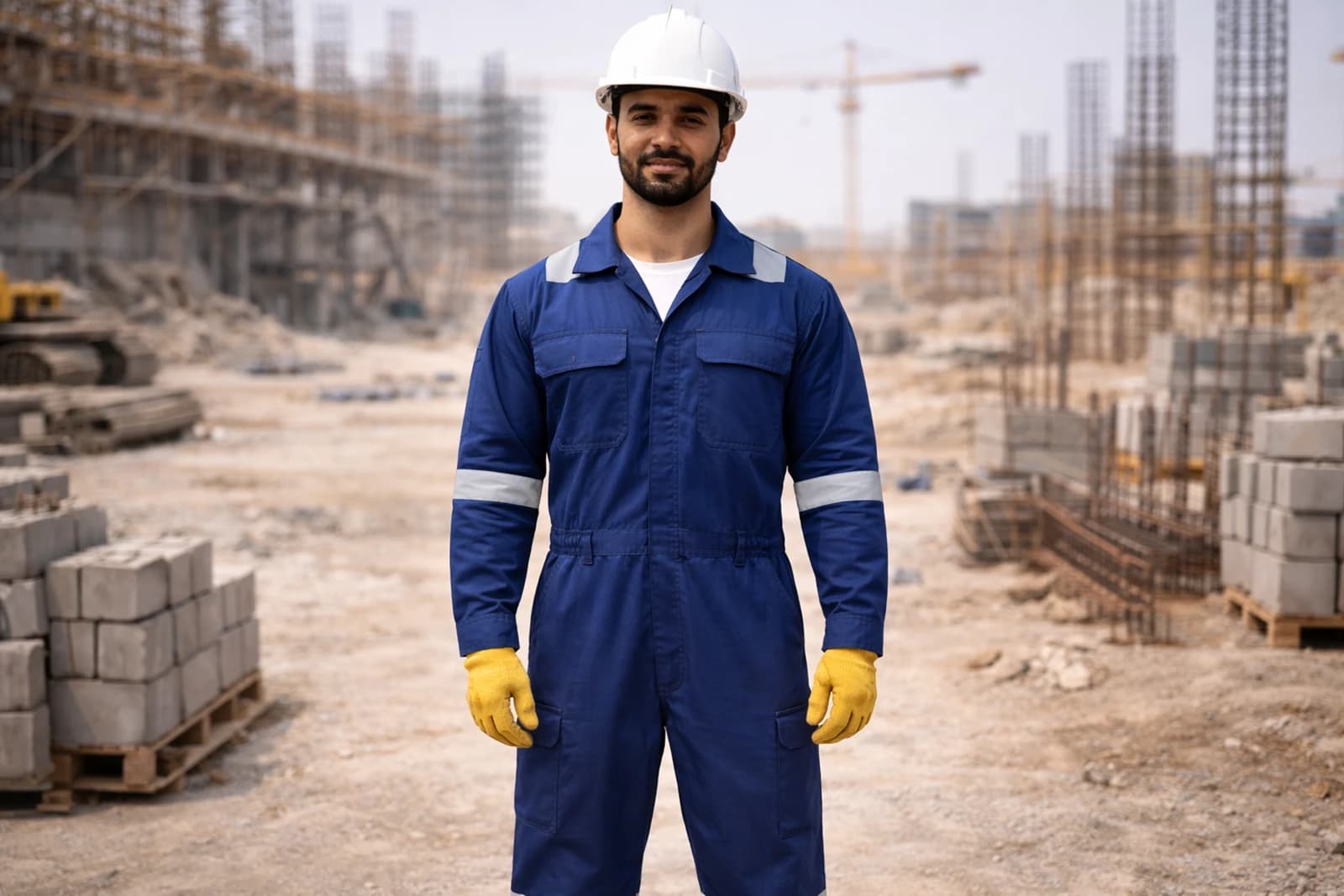
Industrial Workwear
Industrial Coverall Pro
Hard-wearing one-piece coverall for plant, maintenance, and heavy-duty operations.