Hi-Vis Safety Jackets for Middle East Construction and Industrial Projects: Sourcing High-Visibility Protective Workwear from China
Middle East construction sites, industrial facilities, and infrastructure projects require hi-vis safety jackets that provide superior visibility, weather protection, and durability in desert environments. Hi-vis safety jackets with proper retroreflective materials, weather-resistant construction, and breathable fabrics ensure worker safety and compliance with international visibility standards. Learn how to source certified hi-vis safety jackets from Chinese manufacturers with proper material technology, protective features, and desert-adaptive designs for construction and industrial teams.
Buyer context
What procurement teams run into
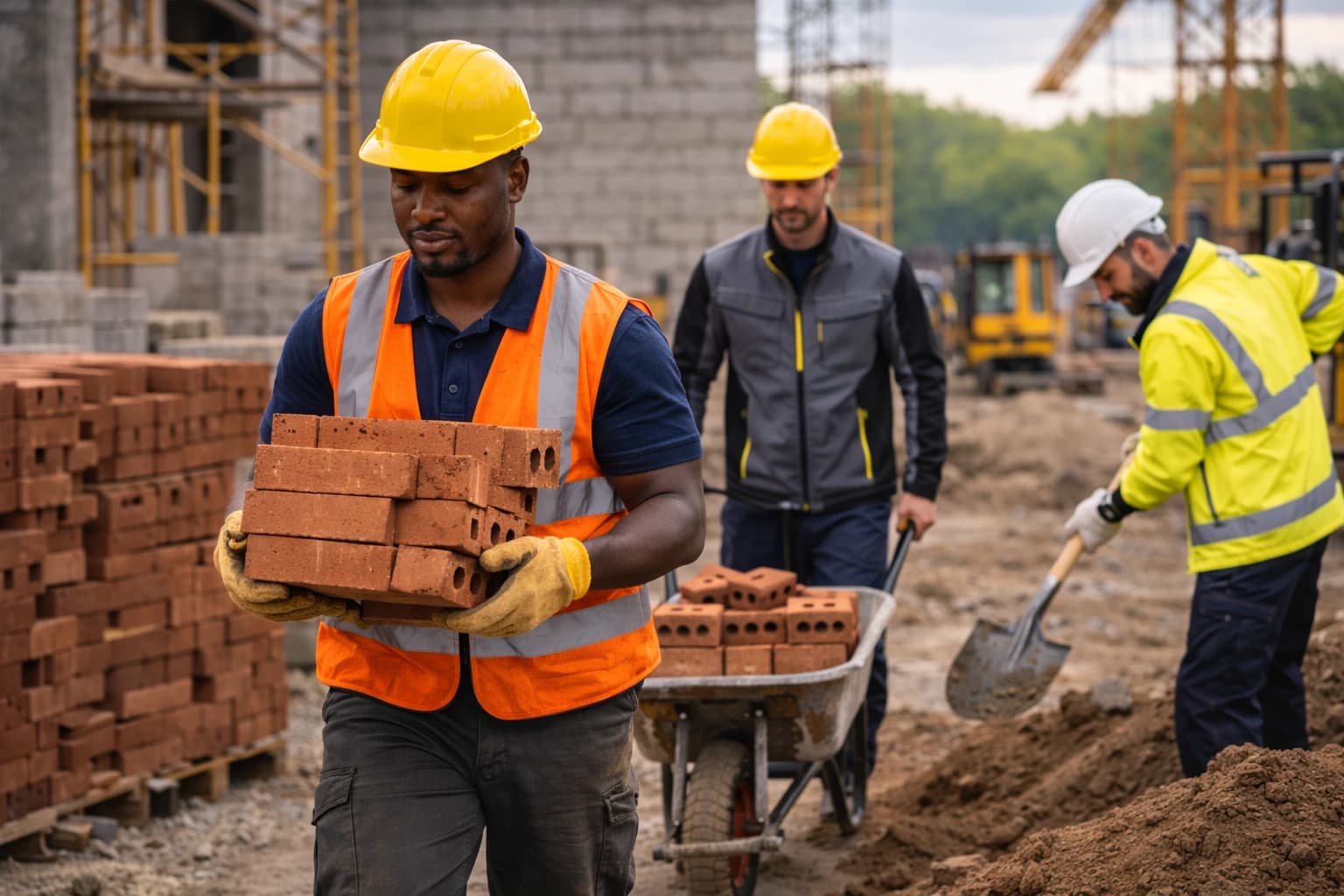
Safety managers and project supervisors in Middle East construction, industrial, and infrastructure projects face significant challenges when sourcing appropriate hi-vis safety jackets for their teams. The region's extreme environmental conditions—intense sunlight, sandstorms, occasional rainfall, and temperature variations—require hi-vis jackets that maintain visibility performance while providing weather protection and comfort. Standard hi-vis jackets designed for temperate climates often fail in Middle East conditions, with retroreflective materials that degrade under UV exposure, fluorescent fabrics that fade in intense sunlight, and construction that lacks adequate ventilation for hot work environments. The primary challenge lies in balancing visibility performance with environmental durability. Hi-vis safety jackets must meet international standards for daytime fluorescence (EN ISO 20471) and nighttime retroreflection while providing weather protection and breathability in extreme heat. Many hi-vis jackets from standard manufacturers prioritize visibility but neglect thermal comfort, leading to heat stress risks and reduced wearer compliance during hot periods. Chinese manufacturers may offer hi-vis jackets that meet basic certification requirements but perform poorly in actual desert conditions, with retroreflective materials that degrade under UV stress or fluorescent fabrics that fade quickly in intense sunlight. Another critical issue is durability against abrasive construction and industrial environments. Middle East construction sites, oil & gas facilities, and infrastructure projects involve constant exposure to abrasive sand particles, equipment contact, and rough surfaces that can quickly degrade hi-vis materials. The jacket fabrics must withstand not only weather elements but also physical abrasion from equipment contact, UV degradation in outdoor work areas, and thermal stress from temperature variations. Many imported hi-vis jackets show premature fading of fluorescent colors, degradation of retroreflective materials, and fabric breakdown within months of deployment, compromising safety visibility and requiring frequent replacements. Sizing and fit for diverse workforces present additional complexities. Middle East construction and industrial projects employ workers from various regions with different body types and layering requirements based on their specific trades and work schedules. Hi-vis jackets must accommodate base layers and allow freedom of movement during physically demanding tasks while maintaining proper fit for visibility performance. Ill-fitting hi-vis jackets can restrict movement during critical operations, cause discomfort during extended shifts, or fail to provide adequate coverage for retroreflective materials. Standard sizing charts often don't account for regional variations or the need for layering flexibility in desert work environments.
Sourcing approach
How a factory partner can respond
Begin by understanding the specific requirements for hi-vis safety jackets in Middle East construction and industrial environments. For construction sites, infrastructure projects, oil & gas operations, and industrial maintenance, prioritize hi-vis jackets with these key features: EN ISO 20471 certification (Class 2 or 3), retroreflective materials with proper photometric performance, weather-resistant construction, and breathable fabrics with ventilation features. Look for Chinese manufacturers who specialize in climate-adaptive protective workwear and can provide certification documentation from accredited testing laboratories for desert applications. When evaluating hi-vis fabrics for Middle East conditions, focus on advanced technologies that address both visibility performance and environmental durability. Modern hi-vis systems incorporate fluorescent base fabrics with high color fastness to light, retroreflective materials with UV-resistant coatings, and weather-resistant outer layers. Some innovative fabrics feature moisture-wicking technologies for thermal management, anti-pilling treatments for enhanced durability, and abrasion-resistant reinforcements at high-wear areas. Request samples with the exact fabric composition and certification documentation planned for production, not just generic demonstration pieces, to verify performance claims. For Middle East work environments, consider hi-vis jackets with strategic design elements that enhance both visibility and comfort. Look for jackets with ventilation zippers in strategic locations (underarms, back), breathable mesh linings in non-critical areas, and moisture-wicking inner layers to improve thermal management. Visibility features should include properly positioned retroreflective bands (minimum 50mm width), fluorescent background materials with proper color coordinates, and additional reflective elements for enhanced visibility. These features should be integrated while maintaining compliance with visibility standards and ensuring they don't compromise the garment's protective integrity. Certification verification remains essential for safety applications. When sourcing from Chinese manufacturers, request complete test reports from accredited laboratories. Key tests for hi-vis safety jackets include: color fastness to light (ISO 105-B02), retroreflective performance (EN ISO 20471), tear strength (ISO 13937-2), and abrasion resistance (ISO 12947-2). For desert environments, also verify UV resistance of retroreflective materials (ASTM G154), color fastness to washing (ISO 105-C06), and thermal comfort properties (ISO 11092) to ensure performance under extreme conditions. Weather resistance testing should include water resistance (ISO 811) and breathability (ISO 11092) for complete environmental protection. Implement a practical testing protocol before placing bulk orders. Conduct field tests with sample hi-vis jackets on actual work sites during different times of day to evaluate visibility performance under varying light conditions. Perform accelerated UV exposure tests simulating 6-12 months of desert sunlight to verify material durability and color retention. Abrasion tests should simulate equipment contact and sand exposure patterns specific to your operations. Visibility tests should include both daytime fluorescence measurements and nighttime retroreflection assessments to ensure compliance throughout the garment's service life. This comprehensive approach ensures the hi-vis safety jackets will maintain visibility performance throughout their service life in Middle East work environments.
Recommended Products
Products that fit this use case
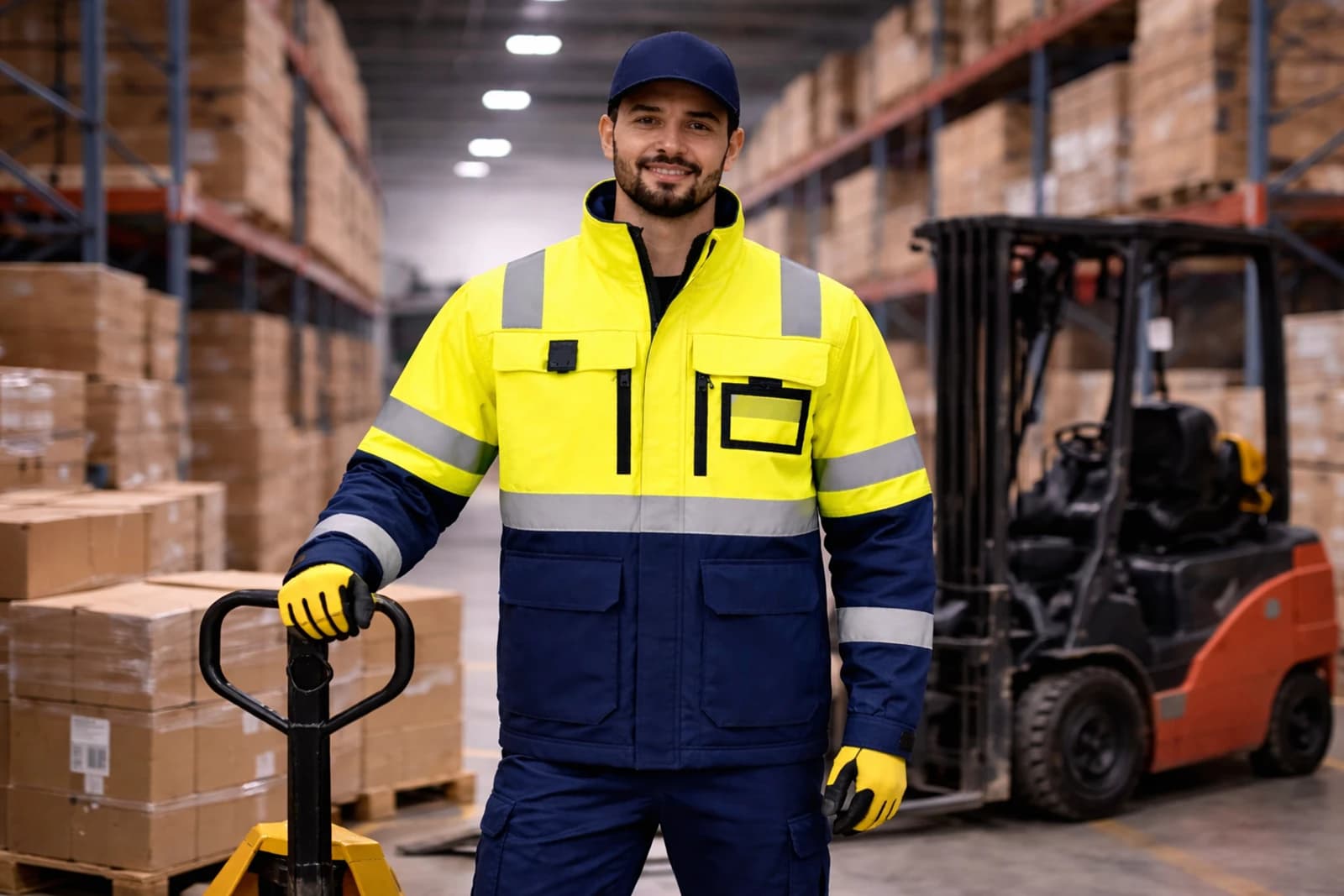
Safety Uniform
Hi-Vis Safety Jacket
Reflective safety jacket for high-visibility site operations and road work crews.
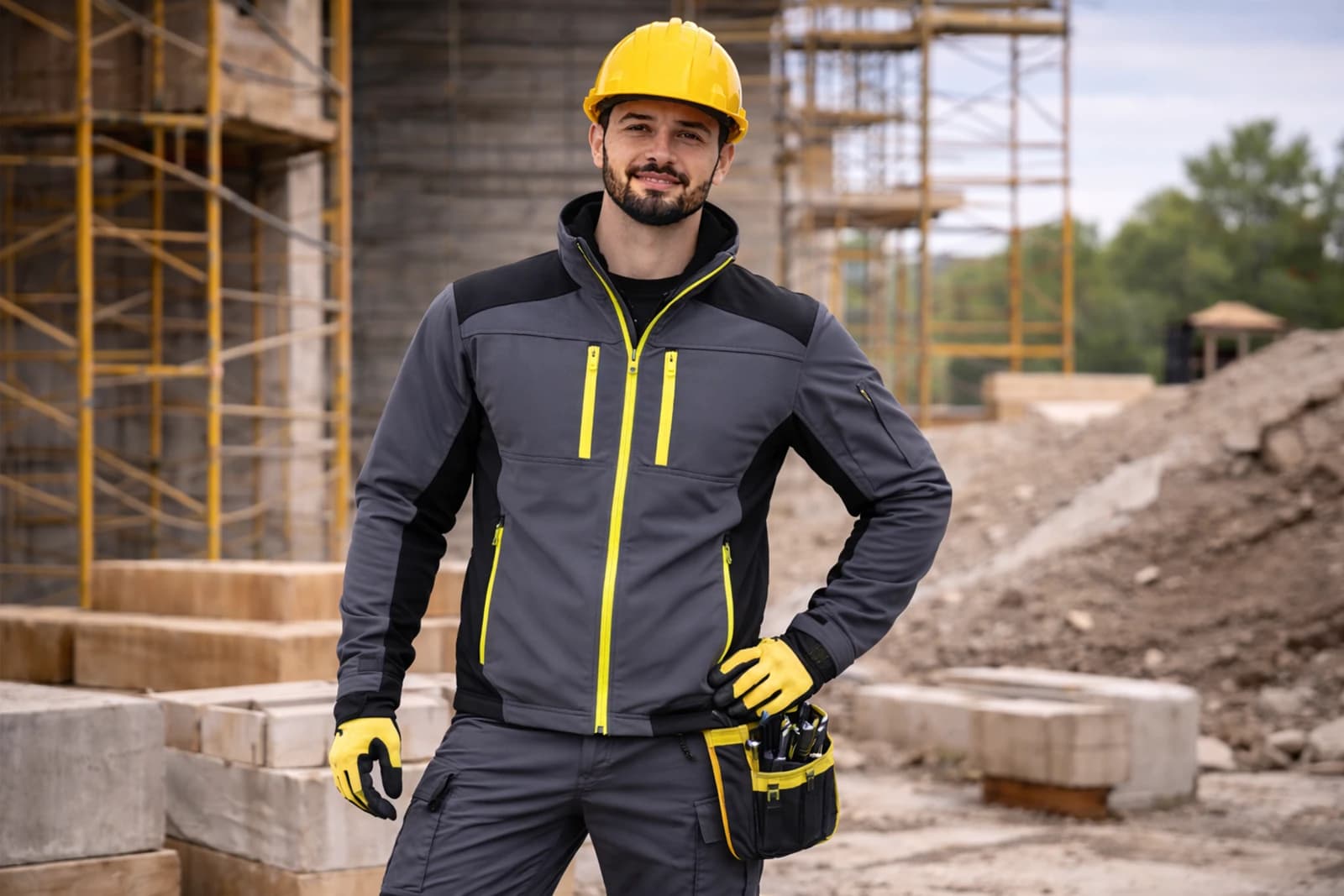
Construction Clothing
Construction Softshell Set
Flexible jacket and trouser set built for crews working across changing weather conditions.