Industrial Coveralls for Middle East Oil & Gas Operations: Sourcing Flame-Resistant Workwear from China
Oil and gas operations in the Middle East require specialized flame-resistant coveralls that withstand extreme heat and hazardous environments. Learn how to source quality industrial coveralls from Chinese manufacturers with proper certifications, fabric technology, and customization for petrochemical safety standards.

Buyer context
What procurement teams run into
Oil and gas companies operating in the Middle East face critical safety challenges when sourcing industrial coveralls. The region's extreme temperatures combined with flammable materials create a high-risk environment where standard workwear fails to provide adequate protection. Many procurement teams struggle to find coveralls that meet both international flame-resistant standards (EN ISO 11612, NFPA 2112) and regional climate requirements. The primary issue is balancing protection with comfort. Traditional flame-resistant (FR) coveralls designed for cooler climates use heavy fabrics that cause heat stress in Middle East conditions where temperatures regularly exceed 45°C (113°F). Workers wearing uncomfortable FR garments may compromise safety by rolling up sleeves, unzipping jackets, or removing protective layers entirely. This creates dangerous situations in environments where flash fires can occur without warning. Another challenge is certification compliance. Different Middle Eastern countries have varying requirements for FR workwear in oil and gas sectors. Some projects require EN ISO standards, others follow NFPA guidelines, and local regulations may impose additional testing. Chinese manufacturers may claim compliance without providing proper documentation, leading to safety audit failures and project delays. Without clear understanding of certification requirements and verification processes, companies risk purchasing non-compliant coveralls that endanger workers and violate safety protocols. Durability in harsh desert conditions presents additional complications. Sand abrasion, intense UV radiation, and chemical exposure degrade FR fabrics faster than in temperate climates. Many imported coveralls show premature wear at stress points, reduced flame resistance after repeated washing, and color fading that compromises high-visibility requirements. Without proper fabric selection and construction techniques optimized for desert environments, companies face frequent replacements and increased safety risks.
Sourcing approach
How a factory partner can respond
Start by understanding the specific FR requirements for your Middle East oil and gas operations. For upstream activities (drilling, extraction), prioritize coveralls with both flame resistance and anti-static properties (EN 1149-5). For downstream operations (refining, processing), chemical resistance becomes equally important alongside FR protection. Work with Chinese manufacturers who specialize in multi-hazard protective clothing and can provide comprehensive test reports from accredited laboratories. When sourcing FR coveralls for hot climates, look for innovative fabric technologies. Modern FR fabrics incorporate inherent flame-resistant fibers (like modacrylic blends) rather than surface treatments that wash out. These maintain protection throughout the garment's lifespan while offering better breathability than traditional heavy FR materials. Some advanced fabrics feature phase-change materials or cooling technologies that provide temporary relief during peak heat periods without compromising safety. For Middle East conditions, consider coveralls with strategic design features: ventilation zones in high-heat areas (underarms, back), removable liners for temperature adjustment, and reinforced panels at abrasion points (knees, elbows, shoulders). Look for manufacturers who understand the need for UV-resistant treatments that don't interfere with FR properties. Request samples with the same fabric, stitching, and treatments planned for bulk production—not just presentation samples that may differ from actual production quality. Certification verification is critical. When evaluating Chinese manufacturers, request not just compliance certificates but also batch test reports. For EN ISO 11612 compliance, verify testing includes heat transfer (A1/A2), flame spread (B), and convective heat (C) parameters. For NFPA 2112, ensure the coveralls meet both flame resistance and thermal shrinkage requirements. Consider third-party verification through organizations like SGS or Bureau Veritas before finalizing large orders. Implement a comprehensive testing protocol: laboratory tests for FR performance, field tests for comfort and durability in actual working conditions, and wash tests simulating industrial laundry cycles. This three-tier approach ensures the coveralls perform as expected throughout their service life in Middle East oil and gas environments.
Recommended Products
Products that fit this use case
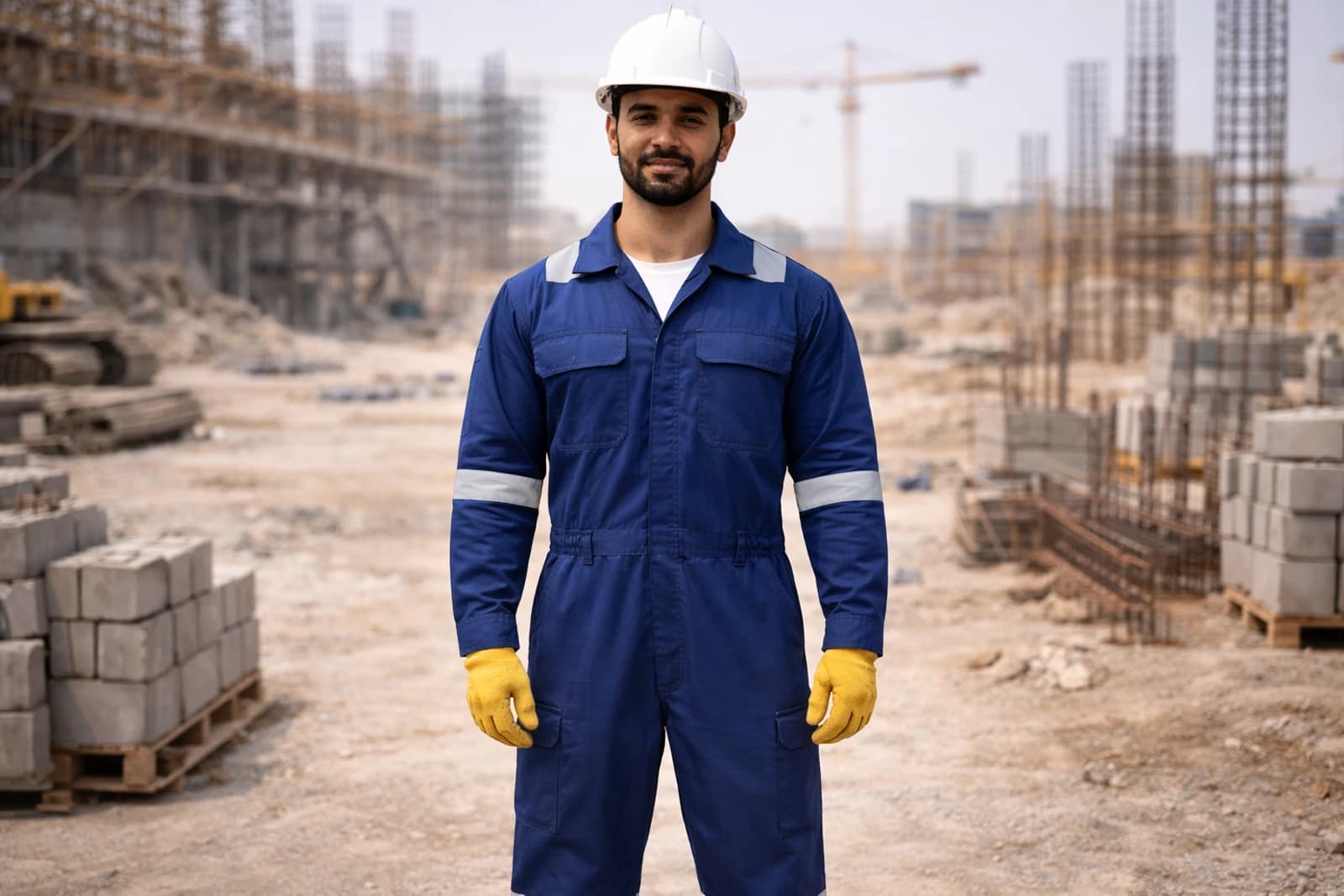
Industrial Workwear
Industrial Coverall Pro
Hard-wearing one-piece coverall for plant, maintenance, and heavy-duty operations.
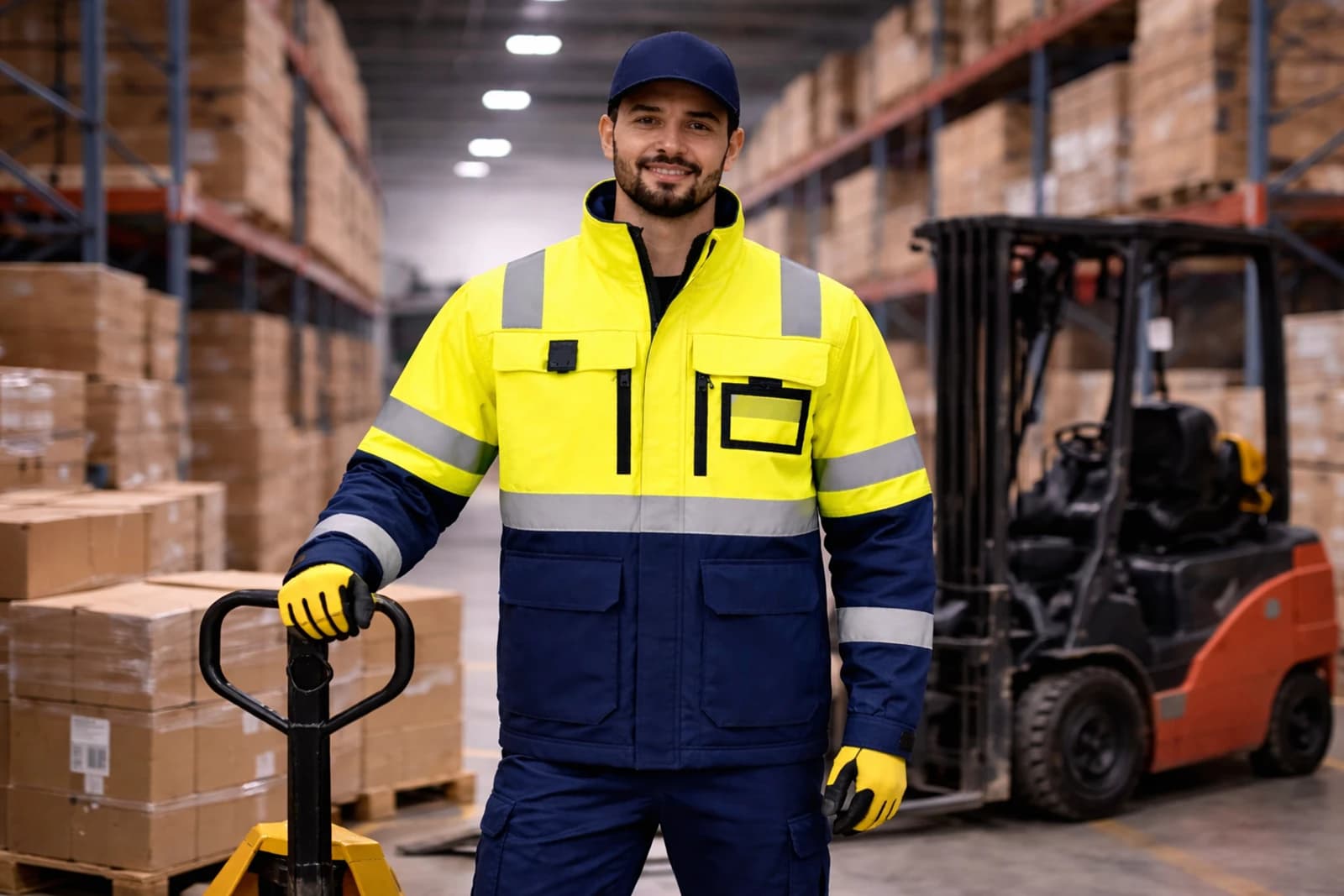
Safety Uniform
Hi-Vis Safety Jacket
Reflective safety jacket for high-visibility site operations and road work crews.