Insulated Workwear in Cold Storage Fails When Moisture Cannot Escape the Garment
Cold storage and refrigerated warehouse workers generate sweat during physical tasks, but insulated workwear with vapor-impermeable outer layers traps moisture inside the garment system. Wet insulation loses thermal resistance, creating a chilling effect that makes workers colder than if they wore less insulation. This article covers the moisture trap mechanism, why standard insulated workwear fails in active cold storage operations, and the specification criteria that maintain thermal protection while enabling vapor escape.
Buyer context
What procurement teams run into
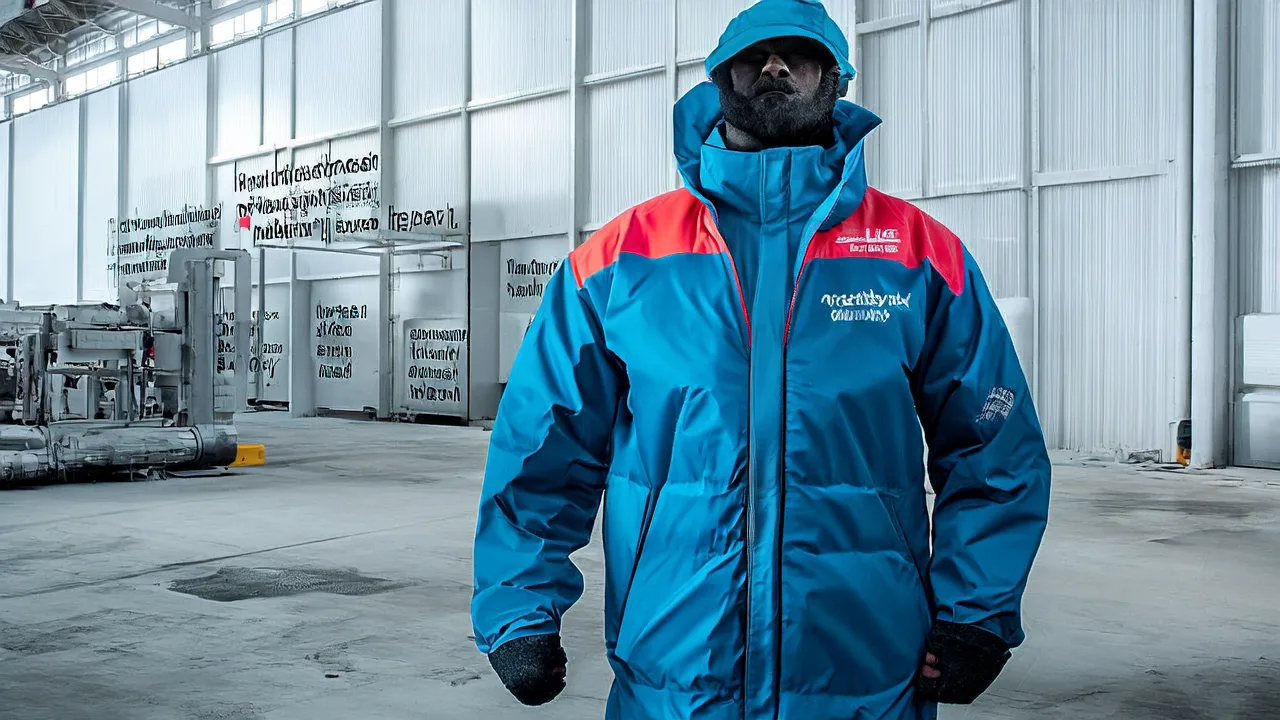
Cold storage and refrigerated warehouse operations—maintaining temperatures from -25°C (blast freezers) to +4°C (chilled distribution)—require insulated workwear to protect workers from cold exposure. Workers perform physically demanding tasks throughout every shift: order picking from racking, pallet moving, loading and unloading refrigerated trucks, and inventory handling. Physical work generates metabolic heat and sweat. Standard insulated workwear—designed with vapor-impermeable outer shells to maximize thermal insulation—traps sweat vapor inside the garment system, creating a moisture accumulation problem that undermines thermal protection. The mechanism: **1. Physical work in cold storage generates sweat that must escape through garment layers** Workers performing order picking, pallet moving, and truck loading in cold storage environments generate metabolic heat proportional to work intensity. Moderate physical work (walking, reaching, lifting boxes) generates 200-300 watts of metabolic heat. Heavy physical work (moving pallets, loading trucks) generates 300-400 watts. The body dissipates metabolic heat through sweating—evaporative cooling removes heat from the body surface. In cold environments, sweat production continues during physical work even though ambient temperature is below comfort range. The body produces 0.5-1.5 liters of sweat per hour during moderate-to-heavy physical work regardless of ambient temperature. The root cause: the body's thermoregulation system responds to metabolic heat production, not ambient temperature. Workers in cold storage environments produce sweat during physical tasks even at -25°C. The sweat must escape through garment layers to evaporate and provide cooling. When garment layers block vapor transmission, sweat accumulates inside the garment system. **2. Vapor-impermeable outer shells trap moisture inside insulation layers** Standard insulated workwear for cold environments uses vapor-impermeable outer shells (typically coated nylon or polyester with polyurethane coating) to block wind and water penetration. The vapor-impermeable shell prevents external moisture from entering but also prevents internal moisture vapor (sweat) from escaping. Moisture vapor generated by the body during physical work contacts the inner surface of the vapor-impermeable shell, condenses into liquid water (because the shell surface is at or below dew point temperature), and accumulates in insulation layers. The root cause: vapor-impermeable shells create a closed system. Moisture enters the garment system through body sweat but cannot exit through the outer shell. The temperature gradient between body surface (33-35°C) and outer shell surface (-5°C to +4°C in cold storage) causes moisture vapor to condense within insulation layers. The insulation material—whether synthetic batting or down—absorbs condensed moisture and becomes damp. **3. Wet insulation loses thermal resistance and creates a chilling effect** Insulation materials provide thermal resistance by trapping air in small pockets (synthetic batting) or loft structures (down). When insulation absorbs moisture, water replaces trapped air in insulation pockets. Water conducts heat 25 times faster than air (thermal conductivity of water: 0.6 W/m·K vs. air: 0.024 W/m·K). Wet insulation conducts body heat to the cold environment 25 times faster than dry insulation, creating a chilling effect that makes workers feel colder than if they wore no insulation at all. The root cause: insulation depends on trapped air for thermal resistance. Water in insulation pockets eliminates the air barrier and creates a conductive path for heat loss. Workers wearing moisture-soaked insulated garments experience rapid heat loss—body heat conducts through wet insulation to the cold environment, creating a chilling effect that can lead to cold stress (shivering, reduced dexterity, discomfort) within 30-60 minutes of starting physical work. **4. Workers respond to moisture trapping by removing insulation layers, creating cold exposure risk** Workers who experience the chilling effect of moisture-soaked insulation respond by removing insulation layers—taking off insulated jackets, opening garment closures, or removing garments entirely. The response is rational: wet insulation makes workers colder than no insulation, so removing wet insulation reduces heat loss. However, removing insulation layers in cold storage environments (-25°C to +4°C) exposes workers to cold stress—reduced dexterity, shivering, discomfort, and in extreme cases, hypothermia risk during extended exposure. The root cause: the moisture trap problem creates a false choice for workers—wear insulation and get cold from wet insulation, or remove insulation and get cold from direct exposure. Neither option provides thermal comfort. Workers cycle between wearing insulation (and getting wet) and removing insulation (and getting cold), creating inconsistent thermal protection throughout the shift. **5. Standard insulated workwear specifications don't address moisture vapor transmission** Most insulated workwear specifications for cold storage environments specify thermal insulation performance (clo value, thermal resistance) but don't specify moisture vapor transmission rate (MVTR). Suppliers quote garments with high thermal insulation and vapor-impermeable shells—maximizing warmth at rest but creating moisture trapping during physical work. The buyer receives garments that provide thermal protection for sedentary cold exposure but fail for active workers performing physical tasks in cold storage. The root cause: insulated workwear specifications assume sedentary or low-activity cold exposure (outdoor winter work, cold room supervision). Cold storage operations involve continuous physical work that generates sweat. Without MVTR specification, suppliers optimize for thermal insulation without addressing vapor management, creating garments that fail for active workers. **6. The cost of getting it wrong** The buyer who specifies vapor-impermeable insulated workwear for cold storage faces: - Moisture trapping (sweat accumulating inside garment layers during physical work) - Wet insulation chilling effect (workers feeling colder from wet insulation than from cold exposure alone) - Worker discomfort and cold stress (workers cycling between wet insulation and layer removal) - Reduced productivity (workers taking breaks to warm up, changing garments mid-shift, or working at reduced pace to minimize sweat production) - Increased garment replacement (moisture-damaged insulation losing loft and thermal resistance, requiring more frequent replacement) The buyer who specifies breathable insulated workwear with moisture vapor transmission for cold storage faces: - Moisture management (sweat vapor escaping through garment layers, maintaining dry insulation) - Thermal protection maintained (dry insulation providing consistent thermal resistance throughout shift) - Worker comfort (workers maintaining thermal comfort during physical work without moisture buildup) - Productivity maintained (workers not taking breaks to manage moisture or change garments) - Extended garment service life (insulation maintaining loft and thermal resistance without moisture damage)
Sourcing approach
How a factory partner can respond
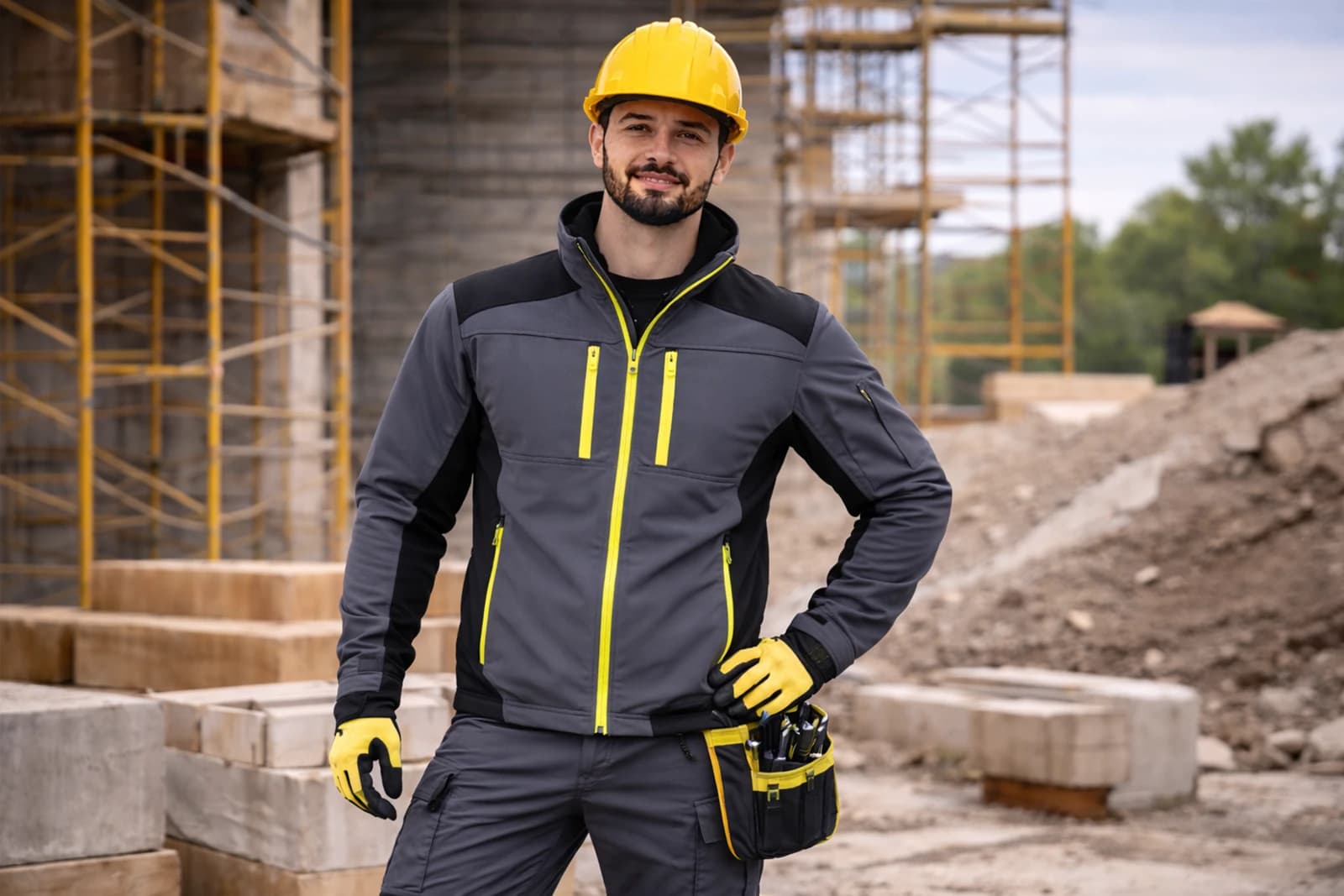
The solution is a cold storage workwear specification that requires moisture vapor transmission in insulated garments, breathable membrane construction, and a layering system that separates moisture management from thermal insulation—enabling workers to maintain thermal protection during physical work without moisture accumulation. **Step 1: Specify insulated workwear with moisture vapor transmission rate (MVTR) requirements** Specify insulated workwear with minimum MVTR requirements that enable sweat vapor to escape through garment layers during physical work. MVTR measures the rate at which moisture vapor passes through fabric (grams per square meter per 24 hours, g/m²/24h). Higher MVTR indicates better breathability. Request supplier testing data confirming MVTR for quoted garments. Specify minimum MVTR of 5,000 g/m²/24h for cold storage insulated workwear. This MVTR level enables sweat vapor generated during moderate physical work (0.5-1.0 liters per hour) to escape through garment layers without condensing inside insulation. The MVTR requirement ensures that insulated workwear enables vapor escape, preventing moisture accumulation in insulation layers. **Step 2: Specify breathable membrane construction instead of vapor-impermeable coated shells** Specify insulated workwear with breathable membrane construction (microporous membrane or hydrophilic membrane laminated to outer shell fabric) instead of vapor-impermeable coated shells. Breathable membranes allow moisture vapor to pass through while blocking liquid water and wind. - **Microporous membrane:** membrane with pores smaller than water droplets but larger than water vapor molecules. Liquid water (rain, condensation) cannot penetrate pores, but water vapor molecules pass through. Microporous membranes provide breathability (MVTR 5,000-10,000 g/m²/24h) with wind and water resistance. - **Hydrophilic membrane:** membrane without pores that transports moisture vapor through molecular diffusion. Hydrophilic membranes provide breathability (MVTR 3,000-8,000 g/m²/24h) with wind and water resistance. Hydrophilic membranes are more durable than microporous membranes (no pore clogging from dirt or detergent residue). Request supplier testing data confirming membrane type and MVTR performance. Specify breathable membrane construction with minimum MVTR 5,000 g/m²/24h for cold storage insulated workwear. The breathable membrane construction enables vapor escape while maintaining wind and water resistance, preventing moisture accumulation in insulation layers. **Step 3: Specify a layering system that separates moisture management from thermal insulation** Specify a layering system for cold storage workwear that separates moisture management (base layer) from thermal insulation (mid layer) from weather protection (outer layer). Each layer has a specific function, and the system enables moisture to move from body surface to outer environment. - **Base layer (moisture management):** specify base layer garments (undershirts, long underwear) in moisture-wicking synthetic fabric (polyester or polypropylene) that transports sweat from skin surface to outer fabric surface where it can evaporate. Specify base layer with moisture-wicking performance (fabric absorbs <1% moisture, wicks moisture to outer surface for evaporation). The base layer keeps skin dry and moves moisture outward. - **Mid layer (thermal insulation):** specify mid layer garments (fleece jackets, insulated vests) in synthetic insulation (polyester batting) that provides thermal resistance while maintaining breathability. Specify mid layer with insulation that retains thermal resistance when damp (synthetic insulation maintains 80-90% of dry thermal resistance when damp, compared to down insulation that loses 60-70% of dry thermal resistance when damp). The mid layer provides warmth without trapping moisture. - **Outer layer (weather protection with breathability):** specify outer layer garments (insulated jackets, coveralls) with breathable membrane construction (Step 2) that blocks wind and water while enabling vapor escape. The outer layer protects from cold air and moisture while allowing sweat vapor to escape. The layering system separates functions: base layer manages moisture, mid layer provides insulation, outer layer provides weather protection with breathability. Moisture moves from body through base layer, through mid layer, and escapes through breathable outer layer. **Step 4: Specify garment construction features that enable vapor escape** Specify insulated workwear with construction features that enable vapor escape and prevent moisture trapping: - **Ventilation zippers:** specify garments with underarm ventilation zippers (mesh-lined zippers at underarm that enable direct vapor escape during high-exertion tasks). Ventilation zippers provide adjustable vapor escape—workers open zippers during heavy work, close zippers during low-activity periods. - **Loose-fit construction:** specify garments with loose-fit construction that enables air circulation between garment layers. Tight-fit construction compresses insulation (reducing loft and thermal resistance) and blocks air circulation (trapping moisture). Loose-fit construction maintains insulation loft and enables air movement that carries moisture vapor outward. - **Adjustable cuff and hem closures:** specify garments with adjustable cuff (velcro or elastic) and hem (drawcord) closures that enable workers to adjust garment openness for vapor escape. Open cuffs and hem enable air circulation and vapor escape; closed cuffs and hem block cold air entry. The construction features enable adjustable vapor escape, giving workers control over moisture management during varying work intensity. **Step 5: Set insulation weight specification matched to work intensity and cold storage temperature** Specify insulation weight (grams per square meter of insulation material) matched to work intensity and cold storage temperature. Heavier insulation provides more thermal resistance but increases moisture trapping risk during physical work. Lighter insulation provides less thermal resistance but reduces moisture trapping risk. For cold storage operations with continuous physical work: - **-25°C to -15°C (blast freezers):** specify 150-200 g/m² insulation weight for outer layer garments. Workers generate sufficient metabolic heat during physical work that moderate insulation provides adequate thermal protection without excessive moisture trapping. - **-15°C to -5°C (frozen storage):** specify 100-150 g/m² insulation weight for outer layer garments. - **-5°C to +4°C (chilled storage):** specify 60-100 g/m² insulation weight for outer layer garments, or specify insulated vest (torso insulation only) rather than full insulated jacket. Request supplier guidance on insulation weight matched to temperature range and work intensity. Specify insulation weight that provides adequate thermal protection for the temperature range without creating excessive moisture trapping risk during physical work. The insulation weight specification balances thermal protection with moisture management—providing adequate warmth without creating moisture accumulation during physical work. **Step 6: Train workers on layering system use and moisture management** Train workers on layering system use and moisture management practices for cold storage operations: - **Layering education:** train workers on the purpose of each layer (base layer for moisture management, mid layer for insulation, outer layer for weather protection) and how the system works together to maintain thermal comfort. - **Adjustable ventilation:** train workers on how to use ventilation zippers, adjustable cuffs, and adjustable hems to manage moisture during varying work intensity. Workers open ventilation during heavy work, close ventilation during low-activity periods. - **Moisture management practices:** train workers on moisture management practices (change base layer if it becomes damp, avoid cotton base layers that absorb moisture, wear moisture-wicking synthetic base layers). Train workers to recognize moisture accumulation signs (damp insulation, chilling effect) and adjust layering or take breaks to manage moisture. The training ensures workers understand layering system use and moisture management practices, enabling thermal comfort during physical work in cold storage environments. **Recommended garments for cold storage workwear:** - **Construction softshell set** — specify the softshell set (jacket and trouser) for cold storage workers performing physical tasks in frozen and chilled storage areas. The softshell set provides wind resistance and light moisture protection with breathable fabric construction that enables vapor escape. Specify the softshell set with breathable membrane (MVTR minimum 5,000 g/m²/24h) and insulation weight matched to cold storage temperature range. Specify the softshell set with underarm ventilation zippers and adjustable cuff closures that enable adjustable vapor escape. The softshell set's breathability, weather protection, and adjustable ventilation make it suitable for cold storage operations where workers perform physical tasks that generate sweat. - **Industrial coverall-pro** — specify the coverall for cold storage workers who require full-body insulation in blast freezer operations (-25°C to -15°C). The coverall provides full-body coverage (torso, arms, legs) with insulated construction that maintains thermal protection during physical work. Specify the coverall with breathable membrane construction, 150-200 g/m² insulation weight, and loose-fit construction that enables air circulation and vapor escape. Specify the coverall with front zipper closure and ventilation zippers that enable adjustable vapor escape. The coverall's full-body insulation, breathable construction, and adjustable ventilation make it suitable for blast freezer operations where workers face extreme cold exposure during physical work.
Recommended Products
Products that fit this use case
Construction Clothing
Construction Softshell Set
Flexible jacket and trouser set built for crews working across changing weather conditions.

Industrial Workwear
Industrial Coverall Pro
Hard-wearing one-piece coverall for plant, maintenance, and heavy-duty operations.