Metal Fabrication Workwear Needs a Single Spec for Spatter, Edges, and Grinding
Metal fabrication workers face three distinct hazards in the same bay: welding spatter (molten metal splash at 1,400–1,600°C), sharp metal edges (sheet metal, cut parts, and deburred components), and grinding abrasives (wheel fragments, metal particles, and slag). Standard workwear specifications address one hazard at a time — welding-resistant fabric for welders, cut-resistant fabric for handlers, abrasion-resistant fabric for grinders — but most fabrication workers perform all three tasks in the same shift. The result: workers are protected against one hazard but exposed to the other two. The root cause: the procurement specification treats hazards as separate garment requirements, not as simultaneous exposures in one work environment. This article covers the unified specification framework that addresses spatter, cut, and abrasion in one document, the fabric and construction criteria that deliver triple protection, and the pilot protocol that validates all three protections before fleet commitment.
Buyer context
What procurement teams run into
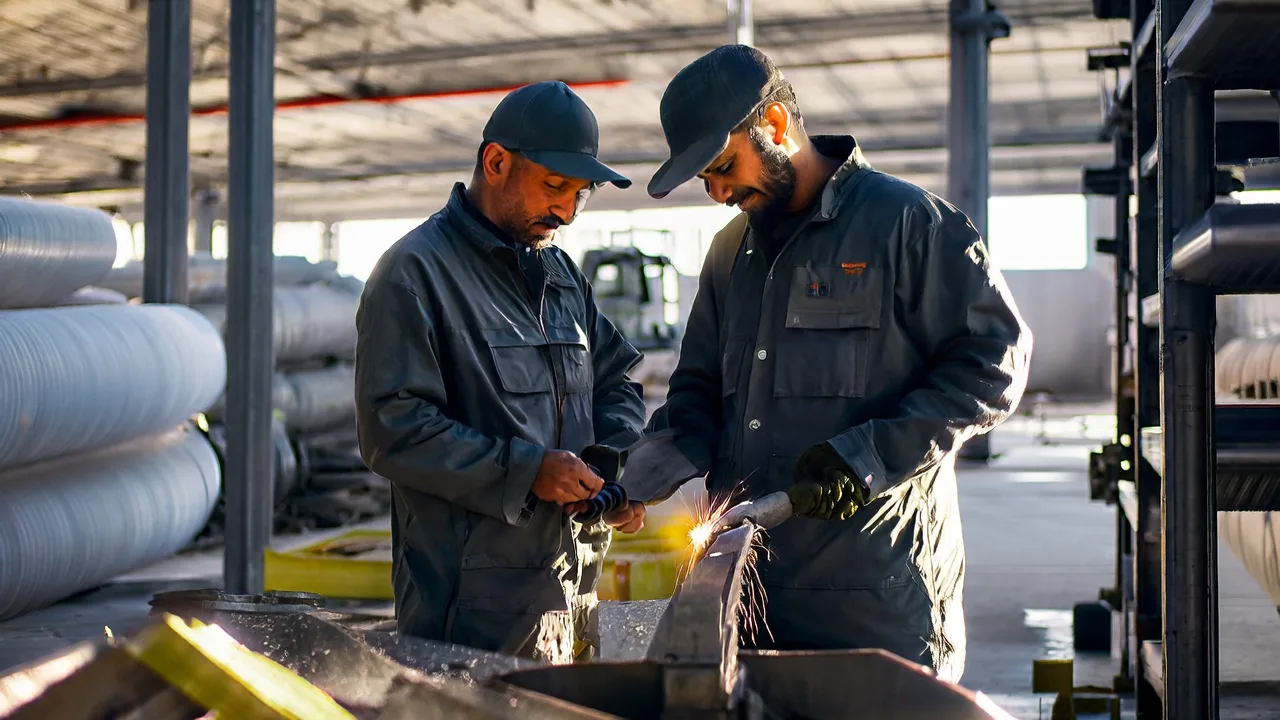
Metal fabrication facilities produce structural steel, sheet metal components, machine guards, brackets, frames, and custom metal products. Workers in fabrication bays perform multiple tasks in every shift: welding (MIG, TIG, stick), material handling (sheet metal, cut parts, assembled components), and grinding (weld cleanup, edge deburring, surface finishing). Each task exposes the worker to a distinct hazard — and most workers perform all three tasks in the same shift wearing the same garment. **1. The three hazards in metal fabrication** Metal fabrication workers face three simultaneous hazards: - **Welding spatter:** Molten metal droplets ejected during welding at temperatures of 1,400–1,600°C. Spatter lands on garment surfaces — chest, sleeves, lap — and can burn through fabric or cause skin burns if the fabric does not resist molten metal penetration. Spatter exposure is intermittent but intense: a welder may receive 20–50 spatter impacts per minute during active welding. - **Sharp metal edges:** Sheet metal (0.5–6 mm thickness), cut parts (plasma-cut, laser-cut, or sheared), and assembled components have sharp edges and burrs that cut skin on contact. Material handlers lift, position, and maneuver sheet metal and cut parts throughout the shift — forearms, hands, and garment fronts contact sharp edges repeatedly. Cut risk is constant during material handling. - **Grinding abrasives:** Grinding wheels, flap discs, and wire brushes generate metal particles, slag fragments, and abrasive dust at high velocity. Grinding operators face abrasive impact on garment fronts, sleeves, and forearms. Abrasive particles embed in fabric surfaces and abrade fabric fibers during contact. Abrasion exposure is continuous during grinding tasks. The critical issue: most fabrication workers perform welding, material handling, and grinding in the same shift. A welder-fabricator may weld for 2 hours, handle cut parts for 2 hours, and grind welds for 1 hour — wearing the same garment throughout. The garment must resist welding spatter, sharp edges, and grinding abrasion simultaneously. **2. Standard single-hazard specifications fail on the other two hazards** Most procurement specifications address one hazard at a time: - **Welding-resistant specification:** Specifies fabric with molten metal resistance (tested per ISO 11611 or AWS D11.1) — typically heavyweight wool-blend or treated cotton fabric (8–10 oz/yd², 270–340 g/m²) that resists spatter penetration. The fabric's heavy weight and tight weave prevent molten metal from burning through. But the fabric provides minimal cut resistance (ANSI Cut Level A1–A2) — sharp metal edges cut through the fabric easily during material handling. And the fabric's rough surface texture traps grinding abrasives, accelerating fabric degradation during grinding tasks. - **Cut-resistant specification:** Specifies fabric with cut resistance (ANSI Cut Level A4–A6 or EN 388 Level C–E) — typically moderate-weight fabric incorporating cut-resistant fiber (UHMWPE, glass fiber, stainless steel). The fabric resists sharp edges during material handling. But the fabric provides minimal welding spatter resistance — molten metal penetrates the fabric weave and causes burns. And the cut-resistant fiber degrades from grinding abrasion, losing cut resistance after repeated abrasive contact. - **Abrasion-resistant specification:** Specifies fabric with high abrasion resistance (tested per ISO 12947-2 or ASTM D3884) — typically heavyweight nylon or polyester fabric (7–9 oz/yd², 240–300 g/m²) with high abrasion cycle count. The fabric resists grinding abrasion. But the fabric provides minimal welding spatter resistance — synthetic fabric melts when contacted by molten metal, causing severe burns. And the fabric provides minimal cut resistance — sharp edges cut through the fabric during material handling. The worker wearing welding-resistant fabric is protected from spatter but experiences cuts from sharp edges and fabric degradation from grinding. The worker wearing cut-resistant fabric is protected from sharp edges but experiences burns from spatter and cut resistance loss from grinding. The worker wearing abrasion-resistant fabric is protected from grinding but experiences burns from spatter and cuts from sharp edges. **3. The procurement mistake: specifying one hazard per garment** The most common procurement error is to specify separate garments for each hazard — welding-resistant garments for welders, cut-resistant garments for material handlers, abrasion-resistant garments for grinders — and expect workers to change garments between tasks. The logic: "If the garment resists welding spatter, it protects welders" or "If the garment resists cuts, it protects material handlers." But this logic addresses only one task and ignores the multi-task reality. The buyer who specifies single-hazard garments faces three problems: - **Garment changeover burden:** Workers must change garments between welding, material handling, and grinding tasks. The changeover takes 5–10 minutes per task change — lost productivity across a shift with multiple task changes. - **Non-compliance:** Workers skip garment changeovers to save time, wearing the wrong garment for the task. The welder wears cut-resistant fabric during welding and experiences spatter burns. The material handler wears welding-resistant fabric during handling and experiences cuts. - **Procurement complexity:** The buyer must procure, stock, and manage three separate garment types — increasing inventory cost, sizing complexity, and replacement logistics. The root cause: the procurement specification treats hazards as separate garment requirements, not as simultaneous exposures in one work environment. The specification does not address the multi-task reality of fabrication work. **4. The unified specification framework** The solution is to write one specification that addresses all three hazards simultaneously. The unified specification includes: - **Fabric criteria for triple protection:** Specify moderate-weight fabric (6–7 oz/yd², 200–240 g/m²) incorporating inherent heat-resistant fiber (modacrylic, aramid blend, or oxidized PAN) and cut-resistant fiber (UHMWPE or stainless steel blend). The fabric must achieve: - Welding spatter resistance: Pass ISO 11611 Class 1 testing (molten metal splash resistance — minimum 15 drops of molten steel at 1,600°C without penetration or flaming). - Cut resistance: Achieve ANSI Cut Level A3–A4 (or EN 388 Level C) for protection against sharp metal edges. - Abrasion resistance: Achieve minimum 20,000 cycles on ISO 12947-2 abrasion testing (Martindale method) for resistance to grinding abrasion. - **Construction requirements:** Specify garment construction that maintains triple protection: - Covered seams (seam allowance enclosed in fabric) to prevent spatter penetration through needle holes. - Concealed closures (covered zippers, no exposed snaps above waistline) to prevent spatter entry through closure gaps. - Reinforced forearm panels (double-layer fabric or abrasion-resistant overlay) in high-grinding-contact areas to extend abrasion life without adding full-garment weight. - Cut-resistant pocket lining (pocket openings are cut-risk areas where hands contact sharp edges during reaching). - **Component requirements:** Specify heat-resistant thread (modacrylic or aramid thread) for all seams — standard polyester thread melts when contacted by spatter, causing seam failure. Specify heat-resistant elastic cuffs (elastic encased in heat-resistant fabric) to prevent spatter entry at wrists. Specify heat-resistant zipper tape (aramid or modacrylic tape) — standard polyester zipper tape melts during spatter contact. **5. The testing data requirement** The unified specification must require the supplier to provide testing data for all three hazards on the same fabric sample: - **Welding spatter test report:** ISO 11611 Class 1 test result — confirm that the fabric passes molten metal splash resistance (minimum 15 drops at 1,600°C). - **Cut resistance test report:** ASTM F2992-15 or EN 388:2016 Method 2 test result — confirm ANSI Cut Level A3–A4. - **Abrasion resistance test report:** ISO 12947-2 or ASTM D3884 test result — confirm minimum 20,000 cycles. Require that all three tests are performed on the same fabric sample — confirming that the fabric delivers triple protection simultaneously, not that three separate fabrics each deliver one protection. **6. The pilot protocol for triple-protection garments** Before committing to full fleet orders, pilot triple-protection garments with 10–15 welder-fabricators who perform welding, material handling, and grinding in the same shift for 8–12 weeks: - **Spatter protection monitoring:** Record frequency of spatter burns or fabric penetration during welding tasks. Compare with baseline spatter burn rate using standard welding-resistant garments. If spatter burns increase, investigate whether fabric spatter resistance is insufficient or whether construction features (covered seams, concealed closures) are inadequate. - **Cut protection monitoring:** Record frequency of cuts and lacerations during material handling tasks. Compare with baseline cut rate using standard cut-resistant garments. If cut incidents increase, investigate whether fabric cut resistance is insufficient or whether cut-resistant features (pocket lining, reinforced panels) are missing. - **Abrasion resistance monitoring:** Monitor fabric abrasion in high-grinding-contact areas (forearms, chest fronts) during grinding tasks. Compare fabric wear rate with standard abrasion-resistant garments. If fabric degrades faster than expected, investigate whether fabric abrasion resistance is insufficient or whether reinforced panels are needed. - **Thermal comfort monitoring:** Monitor heat stress incidents during summer or in warm fabrication bays. Triple-protection fabric (6–7 oz/yd²) is heavier than standard breathable fabric (4–5 oz/yd²) — confirm that workers do not experience excessive heat stress. If heat stress occurs, investigate whether fabric weight is too high or whether ventilation features can be added without compromising triple protection. **7. Adjusting the specification based on pilot data** After the pilot, adjust the garment specification: - **If spatter burns increase:** Specify higher spatter resistance (ISO 11611 Class 2 — minimum 25 drops at 1,600°C) or add reinforced chest and sleeve panels. Confirm that the adjusted fabric still meets cut and abrasion requirements. - **If cut incidents increase:** Specify higher cut resistance (ANSI A4–A5) or add cut-resistant forearm panels. Confirm that the adjusted fabric still meets spatter and abrasion requirements. - **If abrasion degradation accelerates:** Specify higher abrasion resistance (minimum 30,000 cycles) or add reinforced forearm overlays. Confirm that the adjusted fabric still meets spatter and cut requirements. - **If heat stress occurs:** Specify lighter fabric weight (5.5–6 oz/yd²) or add ventilation features (mesh-lined vent openings at back yoke — areas with low spatter, cut, and abrasion risk). Confirm that the adjusted fabric still meets all three protection requirements.
Sourcing approach
How a factory partner can respond
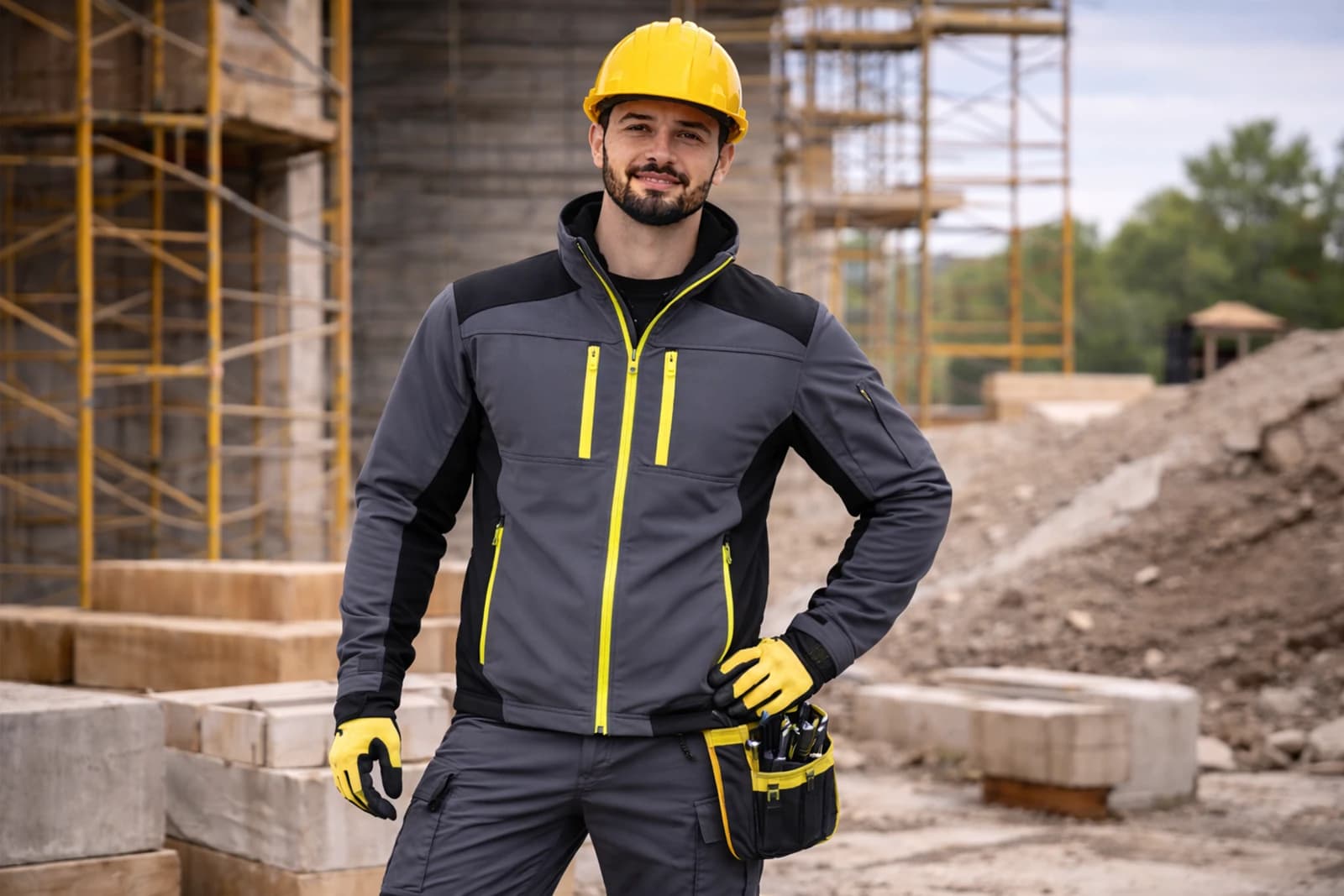
The solution for metal fabrication workwear is to write one unified specification that addresses welding spatter, sharp edges, and grinding abrasion simultaneously, require testing data for all three hazards on the same fabric sample, and pilot the triple-protection garment before fleet commitment. **Step 1: Write the unified specification** Include fabric criteria for triple protection: moderate-weight fabric (6–7 oz/yd², 200–240 g/m²) incorporating inherent heat-resistant fiber and cut-resistant fiber. Specify minimum performance: ISO 11611 Class 1 for spatter resistance, ANSI Cut Level A3–A4 for cut resistance, and 20,000+ cycles on ISO 12947-2 for abrasion resistance. Specify construction requirements: covered seams, concealed closures, reinforced forearm panels, cut-resistant pocket lining. Specify component requirements: heat-resistant thread, heat-resistant elastic cuffs, heat-resistant zipper tape. **Step 2: Require triple-protection testing data** Require the supplier to provide testing data for all three hazards on the same fabric sample — confirming that the fabric delivers spatter, cut, and abrasion protection simultaneously. **Step 3: Pilot triple-protection garments** Pilot with 10–15 welder-fabricators who perform welding, material handling, and grinding in the same shift for 8–12 weeks. Monitor spatter burns, cut incidents, abrasion degradation, and thermal comfort. Compare with baseline performance using single-hazard garments. **Step 4: Adjust specification based on pilot data** Specify higher spatter resistance if burns increase. Specify higher cut resistance if cuts increase. Specify higher abrasion resistance if fabric degrades faster than expected. Specify lighter fabric weight or ventilation features if heat stress occurs. **Recommended garments for metal fabrication workwear:** - **Industrial coverall-pro** — specify the coverall in triple-protection fabric (6–7 oz/yd², modacrylic/aramid blend with UHMWPE cut-resistant fiber) for welder-fabricators who perform welding, material handling, and grinding in the same shift. The coverall provides full-body protection against spatter, sharp edges, and grinding abrasion, with covered seams, concealed closures, reinforced forearm panels, and heat-resistant components that maintain triple protection throughout the garment. Specify the coverall with ISO 11611 Class 1 testing data, ANSI Cut Level A3–A4 testing data, and ISO 12947-2 abrasion testing data (20,000+ cycles) on the same fabric sample. - **Construction softshell set** — specify the softshell set in triple-protection fabric for material handlers and fitters who handle sharp metal edges and perform light grinding but have minimal welding spatter exposure. The softshell set provides cut resistance and abrasion resistance for material handling and light grinding tasks, with lighter weight construction for thermal comfort during high-exertion handling tasks. Specify the softshell set with ANSI Cut Level A3–A4 testing data and ISO 12947-2 abrasion testing data. The softshell set is not suitable for active welding tasks with high spatter exposure — reserve the coverall for welder-fabricators.
Recommended Products
Products that fit this use case

Industrial Workwear
Industrial Coverall Pro
Hard-wearing one-piece coverall for plant, maintenance, and heavy-duty operations.
Construction Clothing
Construction Softshell Set
Flexible jacket and trouser set built for crews working across changing weather conditions.