OEM Workwear Customization: What Middle East Buyers Should Know When Ordering from China
Many Middle East companies want custom-branded workwear but struggle with the OEM process when sourcing from China. Understanding minimum order quantities, sample approval, and production timelines helps avoid common pitfalls and ensures successful customization.

Buyer context
What procurement teams run into
Middle East businesses—from construction firms in Saudi Arabia to logistics companies in UAE—increasingly seek custom-branded workwear to enhance team identity and safety compliance. However, navigating OEM (Original Equipment Manufacturer) customization with Chinese suppliers presents several challenges that can derail projects. First, minimum order quantity (MOQ) misunderstandings are common. Buyers often assume they can order small batches of custom-designed garments, only to discover that Chinese manufacturers typically require 300-500 pieces per style/color for custom work. This creates budget strain for smaller companies or those testing new uniform programs. Second, the sample approval process causes delays. Many buyers don't realize that OEM customization involves multiple sample stages: initial fabric swatches, prototype samples with basic customization, and pre-production samples with final details. Each stage requires review and feedback, adding 2-4 weeks to timelines. Without proper planning, companies miss seasonal deployment deadlines. Third, customization complexity affects lead times. Adding company logos, employee names, department markings, or safety certifications requires additional production steps. A simple embroidered logo adds 3-5 days; complex reflective printing or specialized patches can add 2 weeks. Buyers who assume customization is "quick extra work" often face unexpected delays. Finally, communication gaps around specifications lead to errors. Middle East buyers and Chinese manufacturers sometimes interpret terms like "royal blue," "heavy-duty fabric," or "professional finish" differently. Without precise Pantone codes, fabric weight specifications (in GSM), and detailed technical drawings, the final product may not match expectations.
Sourcing approach
How a factory partner can respond
Successful OEM customization starts with clear planning before contacting manufacturers. Begin by defining your exact requirements: list all customization elements (logos, text, colors, positions), determine your realistic timeline including buffer for revisions, and calculate your budget accounting for MOQ constraints. When approaching Chinese manufacturers, provide comprehensive specification packages. Include vector logo files (AI or EPS format), Pantone color codes for all custom elements, detailed placement diagrams showing exact positioning on garments, and fabric samples if you have specific material preferences. This reduces back-and-forth and ensures accurate quoting. Understand and plan for the standard OEM workflow: 1. **Initial consultation** (1-2 days): Share specifications, receive preliminary quotes 2. **Fabric and trim confirmation** (3-5 days): Review material options, request swatches 3. **Prototype sampling** (10-15 days): First physical sample with basic customization 4. **Sample revision** (5-7 days): Provide feedback, request adjustments 5. **Pre-production sample** (7-10 days): Final sample before mass production 6. **Production** (15-30 days depending on order size and complexity) 7. **Quality inspection and shipping** (5-10 days) For Middle East buyers, consider these region-specific factors: - **Climate adaptation**: Request fabric testing for UV resistance and colorfastness in high temperatures - **Cultural considerations**: Ensure logo designs and text are culturally appropriate for diverse workforces - **Certification requirements**: Specify any needed safety certifications (EN ISO, ANSI) upfront - **Sizing**: Provide detailed size charts accounting for your specific workforce demographics Start with a pilot order if possible. Rather than customizing your entire uniform program at once, begin with one garment type (like polo shirts for office staff or coveralls for maintenance teams). This lets you test the OEM process, evaluate quality, and build trust with the manufacturer before committing to larger, more complex orders.
Recommended Products
Products that fit this use case
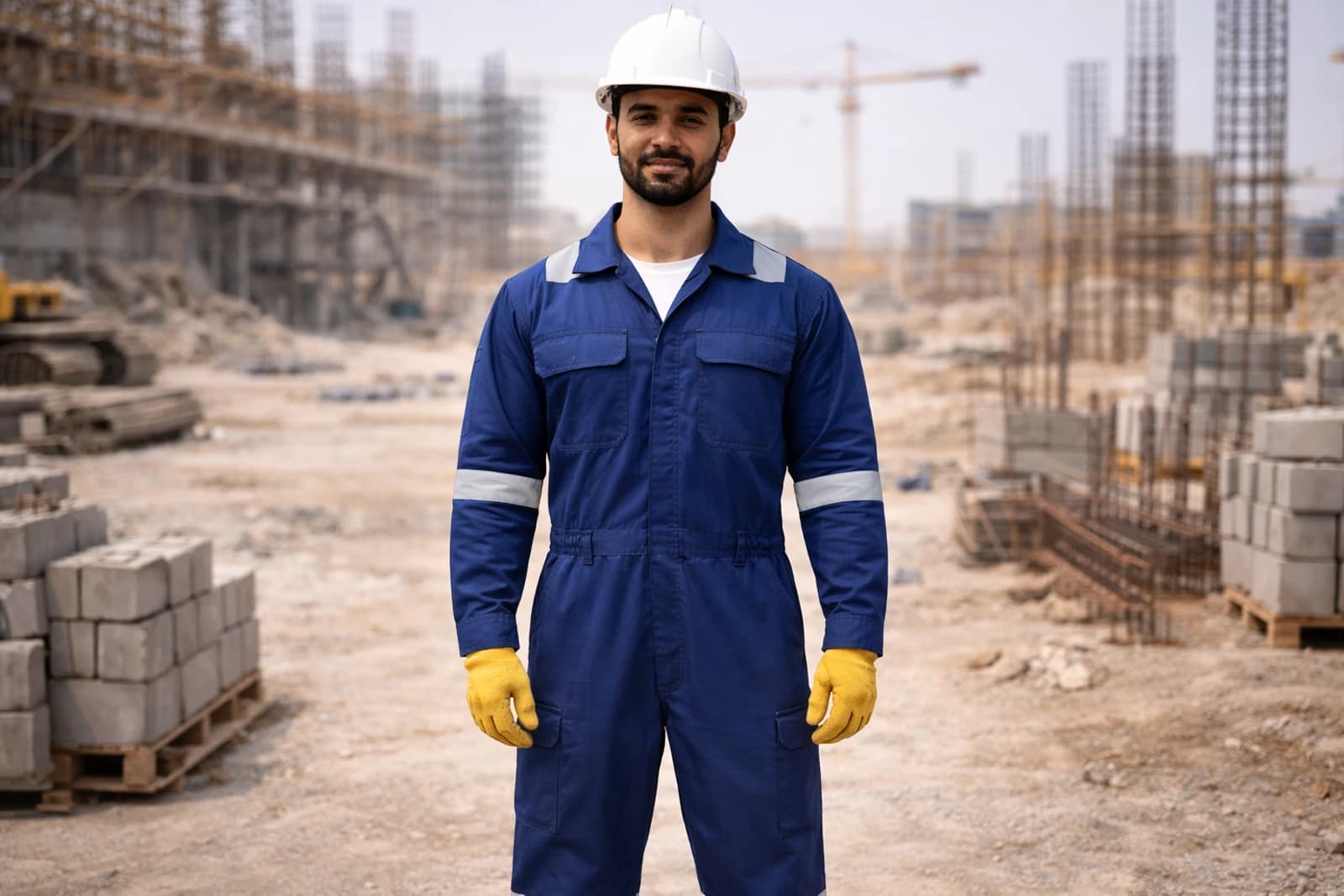
Industrial Workwear
Industrial Coverall Pro
Hard-wearing one-piece coverall for plant, maintenance, and heavy-duty operations.
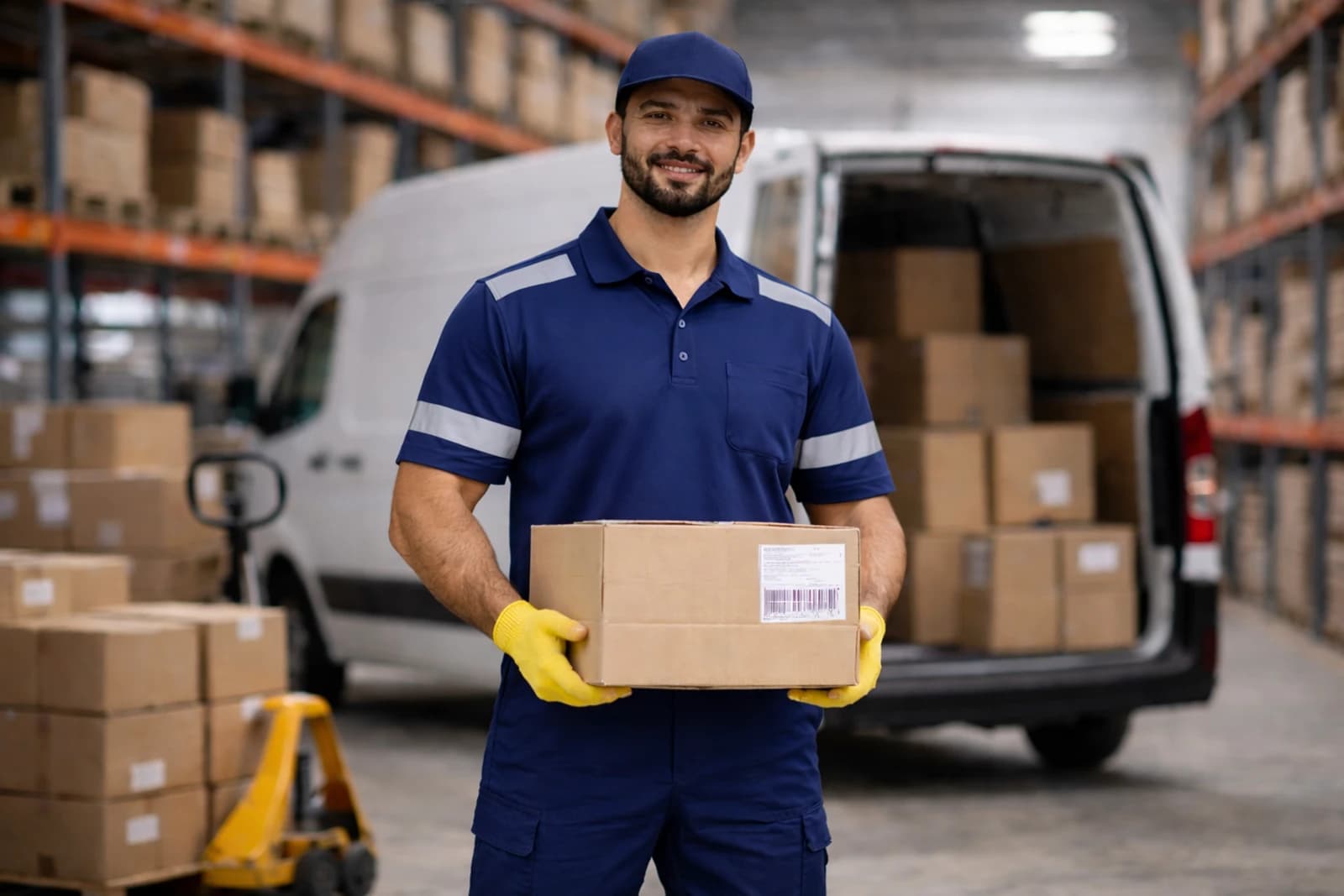
Logistics Uniform
Logistics Polo Uniform
Breathable uniform polo for warehouse, delivery, and last-mile teams.