Oil and Gas Workwear Sourcing: What Middle East Energy Sector Buyers Need from Chinese Manufacturers
Energy sector buyers in the Middle East face unique requirements when sourcing flame-resistant and high-visibility workwear from China. This guide covers fabric standards, customization for corporate identity, and how to vet suppliers for oil and gas operational needs.

Buyer context
What procurement teams run into
Procurement managers in the Middle East oil and gas sector — from Saudi Aramco contractors to ADNOC service providers — face a layered challenge when sourcing workwear from China. The garments must meet multiple international safety standards for flame resistance and high visibility, while also surviving the Gulf's extreme heat and humidity. At the same time, company branding, logo placement, and fleet-wide color consistency matter for professional presentation on-site. Energy companies typically order in multi-year contracts with phased deliveries, yet many first-time buyers underestimate how different oil and gas workwear specifications are from general industrial uniforms. Flame-resistant properties, anti-static requirements, and specific fabric certifications add complexity that standard coverall factories may not handle. Sending a generic inquiry to Chinese suppliers often leads to confusion, wrong samples, or garments that pass initial checks but fail in field conditions. The result is wasted time on mismatched suppliers, costly sample rounds, and delayed project timelines — especially when the buyer's technical team expects the supplier to already understand industry norms like NFPA 2112 or IEC 61482-2.
Sourcing approach
How a factory partner can respond
The smartest approach for Middle East energy buyers is to start with a detailed technical specification sheet — not a general inquiry. List the required standards (such as EN ISO 11612 for flame resistance, EN 1149 for anti-static, and EN ISO 20471 for high visibility), required fabric weight, color codes, and stitching requirements. This immediately filters out suppliers who only produce standard industrial coveralls. Look for Chinese manufacturers that already export FR workwear to the Middle East or similar hot-climate regions. They should have heat-press or silicone-free reflective tape application, breathable flame-resistant fabrics suitable for 50°C worksites, and experience with corporate branding on FR garments. Request wash-test samples — FR properties degrade differently in hard-water conditions common in Gulf desalinated supplies, so a 25-cycle industrial wash test before bulk orders is worth the wait. For recommended product types, pair a flame-resistant hi-vis jacket with FR-rated industrial coveralls to cover both upper-body visibility zones and full-body protection. Sidaier's hi-vis safety jacket and industrial coverall pro are configured with FR-optional fabric ranges and can accommodate corporate logo embroidery, reflective tape placement, and custom color matching for energy company fleets. Start with a small pilot order of 100–200 pieces to validate sizing, fabric behavior, and wash durability before scaling to full contract quantities.
Recommended Products
Products that fit this use case
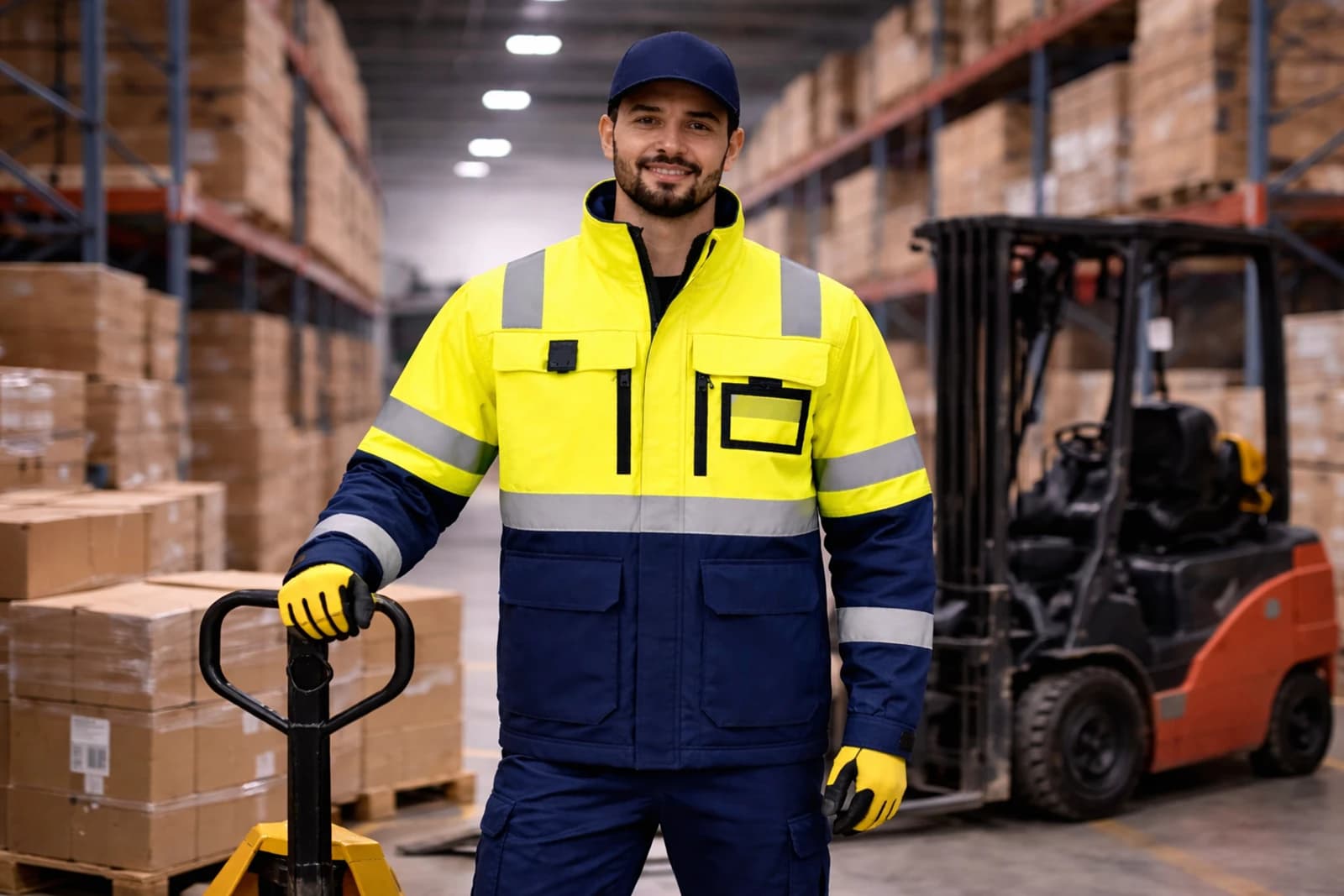
Safety Uniform
Hi-Vis Safety Jacket
Reflective safety jacket for high-visibility site operations and road work crews.
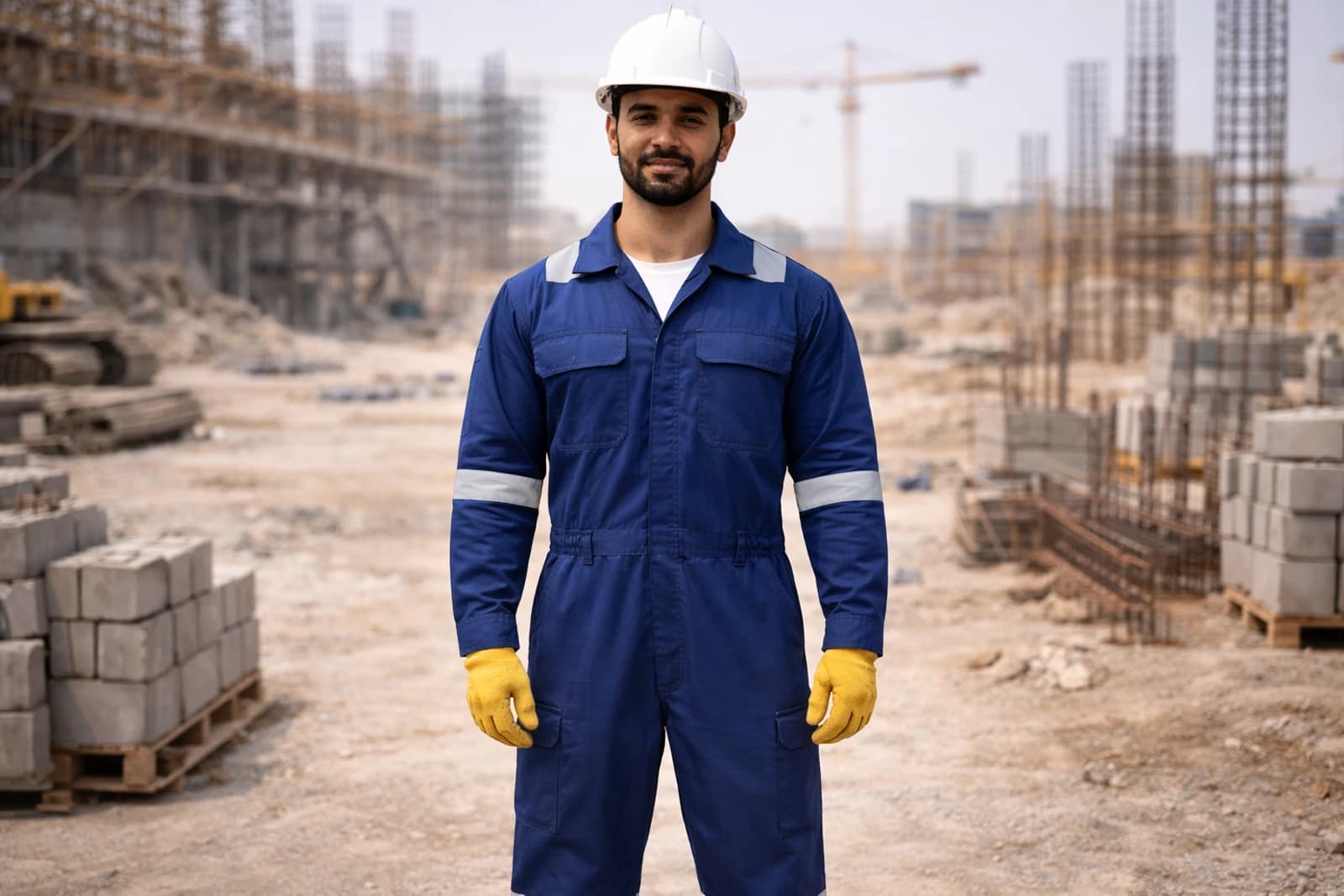
Industrial Workwear
Industrial Coverall Pro
Hard-wearing one-piece coverall for plant, maintenance, and heavy-duty operations.