Recycling Facility Workwear: Fabric Selection for Puncture and Tear Resistance
Recycling sorting lines expose workwear to broken glass, metal fragments, sharps, and sharp plastic that puncture and tear standard fabric within weeks. Generic heavy-duty specifications don't address the specific weave construction and fabric weight needed to resist puncture propagation in manual sorting operations. This article covers how puncture damage occurs in recycling workwear, the fabric weight and weave tradeoffs buyers must evaluate, and specification criteria that reduce tear-related replacement without creating heat stress in indoor sorting facilities.
Buyer context
What procurement teams run into
Recycling facilities — processing mixed municipal solid waste, commercial waste, and construction debris into sorted commodity streams — expose workwear to a puncture and tear hazard that standard fabric specifications don't address: broken glass, metal fragments (cans, wire, nails, screws), sharp plastic edges, needles and sharps improperly disposed in household waste, and jagged composite materials. Workers on manual sorting lines, loading/unloading stations, and bale processing areas contact these sharp objects repeatedly throughout every shift. Standard workwear fabric — 200-240 gsm cotton or cotton-blend with plain weave — punctures on contact and tears propagate through the fabric during normal body movement, creating garment failure within 2-4 weeks of deployment in high-exposure roles. The mechanism: **1. Sharp objects in waste streams create concentrated puncture forces that exceed fabric tensile strength** Broken glass, metal fragments, and sharp plastic create point-load forces when workers grip, lift, or contact these objects during sorting. A sharp glass edge concentrated on a 1-2 mm contact area creates localized pressure that exceeds the tensile strength of standard 200-240 gsm fabric yarns. The yarn breaks at the contact point, creating a puncture hole. Once a puncture exists, body movement (bending, reaching, lifting) creates tension around the hole, and the tear propagates through adjacent yarns — expanding a 2 mm puncture into a 20-50 mm tear within a single shift. The root cause: standard plain-weave fabric construction provides no mechanism to arrest tear propagation. When one yarn breaks, the load transfers to adjacent yarns, which also break under tension. The tear grows until it reaches a seam or creates a garment failure that exposes skin to sharp objects and biological contaminants in the waste stream. **2. Manual sorting requires hand and forearm contact with sharp objects that abrade and puncture sleeve fabric** Manual sorting line workers stand beside conveyors and pick target materials (plastics, metals, paper) from the waste stream by hand. Workers grip objects, pull them from the flow, and place them in sorting chutes. This motion brings forearms and sleeves into repeated contact with sharp edges in the waste mass — glass shards protruding from bags, metal cans with cut edges, broken plastic with jagged fractures. Sleeve fabric experiences abrasion (rubbing against sharp surfaces) and puncture (contact with pointed objects) simultaneously. The root cause: sleeve fabric on standard workwear garments uses the same 200-240 gsm plain-weave construction as the body. Forearm and sleeve areas experience the highest frequency of sharp-object contact on sorting lines. Standard fabric weight and weave provide insufficient puncture resistance for this exposure frequency, creating sleeve failures within 1-3 weeks for sorting line workers. **3. Heavy fabric increases puncture resistance but creates heat stress in indoor sorting facilities** The intuitive response to puncture failure is specifying heavier fabric — 300-350 gsm rather than 200-240 gsm. Heavier fabric has more yarn mass per unit area, increasing the force required to break individual yarns. However, recycling sorting facilities are typically indoor operations that are not climate-controlled. Ambient temperatures near conveyor lines can reach 30-35°C from equipment heat, lighting, and limited ventilation. Workers performing physical sorting work generate metabolic heat. Heavy fabric reduces air permeability and traps heat against the body, creating heat stress, excessive sweating, and reduced productivity. The root cause: fabric weight and air permeability are inversely related. Heavier fabric has tighter construction and lower air permeability. Workers in hot indoor environments cannot dissipate metabolic heat through heavy fabric, creating thermal discomfort and heat stress. Specifying heavier fabric to address puncture creates a new problem — heat stress — that workers address by removing protective garments, rolling up sleeves, or reducing work time, all of which create safety and productivity risks. **4. Ripstop weave construction arrests tear propagation but is not commonly specified in workwear RFQs** Ripstop weave construction incorporates heavier reinforcement yarns at regular intervals (typically every 5-8 mm) in a crosshatch pattern. When a puncture occurs and a tear begins to propagate, the tear reaches a reinforcement yarn that has higher tensile strength than the base fabric yarns. The reinforcement yarn resists breaking, arresting the tear at the ripstop interval. The result: a puncture creates a small hole (5-8 mm maximum) rather than a propagating tear (20-50 mm), and the garment remains serviceable despite the puncture. The root cause: most workwear specifications don't mention ripstop weave construction because buyers and specifiers are unfamiliar with the option. Standard RFQs specify fabric weight (gsm) and fiber content (cotton, polyester blend) but don't specify weave construction. Without ripstop specification, suppliers quote plain-weave fabric that punctures and tears without arrest, creating rapid garment failure. **5. The cost of getting it wrong** The buyer who specifies standard plain-weave workwear for recycling facilities faces: - Rapid garment failure (punctures propagating into tears within 2-4 weeks) - High replacement frequency (sorting line workers receiving new garments every 3-4 weeks rather than every 8-12 weeks) - Worker exposure to sharp objects and biological contaminants through torn fabric - Heat stress complaints if heavier fabric is specified as a workaround - Budget overrun from replacement frequency exceeding planned procurement cycles The buyer who specifies ripstop-weave, medium-weight fabric for recycling facilities faces: - Puncture resistance with tear arrest (punctures don't propagate into garment-failing tears) - Extended garment service life (8-12 weeks rather than 2-4 weeks for sorting line workers) - Adequate air permeability for indoor sorting environments (medium weight maintains breathability) - Predictable replacement scheduling (garment life aligned with procurement cycle planning)
Sourcing approach
How a factory partner can respond
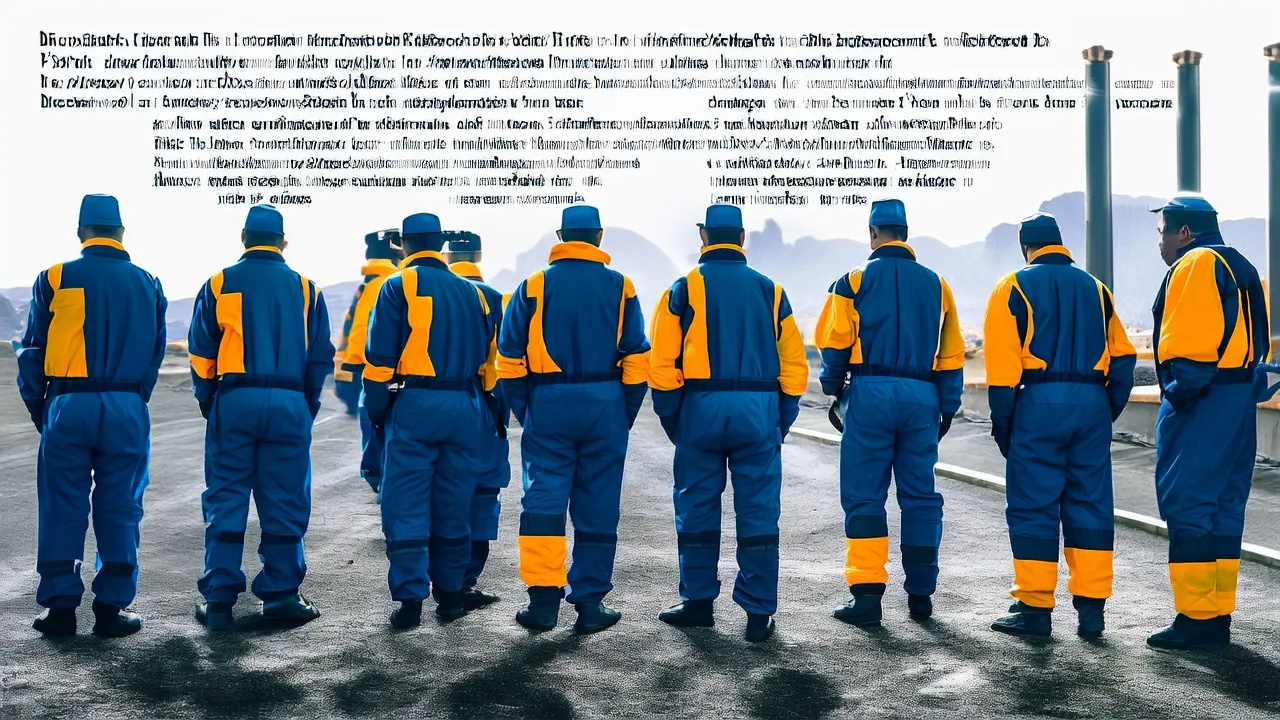
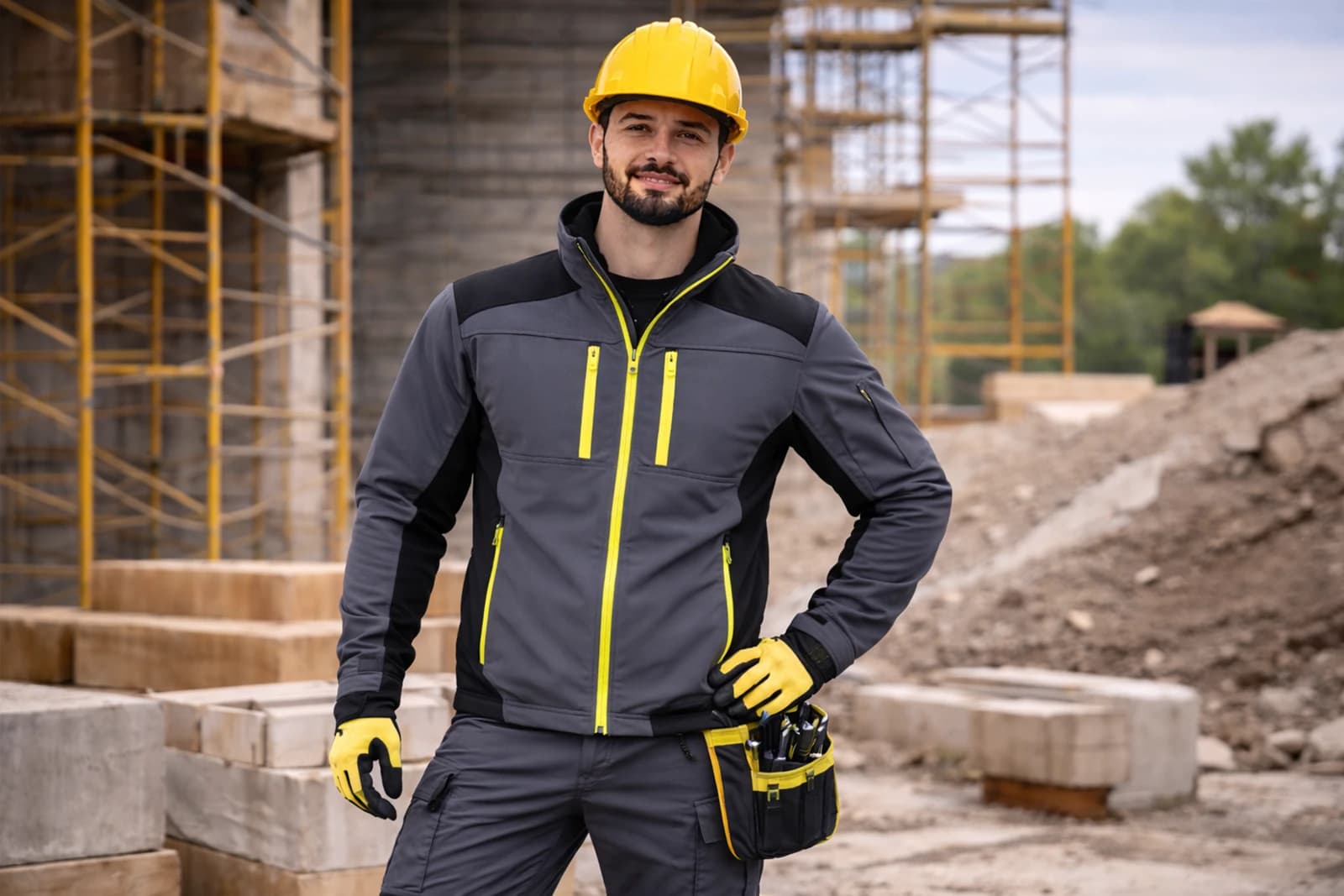
The solution is a recycling facility workwear fabric specification that balances puncture resistance, tear arrest, and thermal comfort through ripstop weave construction, medium fabric weight, and synthetic-blend fiber content matched to the specific exposure profile of sorting, loading, and processing roles. **Step 1: Specify ripstop weave construction for sorting line and loading area garments** Ripstop weave construction incorporates reinforcement yarns at 5-8 mm intervals in a crosshatch pattern that arrests tear propagation when punctures occur. Specify ripstop weave for all garments used by workers on manual sorting lines, loading/unloading stations, and bale processing areas where sharp-object contact is frequent. Request supplier testing data confirming ripstop weave construction: reinforcement yarn interval (mm), reinforcement yarn denier or count, and tear strength testing (tongue tear method, EN ISO 13937-2 or equivalent) showing that tear propagation is arrested at ripstop intervals. Compare quoted fabric's tear strength to plain-weave fabric of the same weight — ripstop construction should demonstrate 30-50% higher tear strength than plain weave at equivalent fabric weight. **Step 2: Specify medium fabric weight (260-280 gsm) that balances puncture resistance with air permeability** Specify fabric weight in the 260-280 gsm range for recycling facility workwear. This weight provides sufficient yarn mass to resist puncture from glass edges and metal fragments (heavier than standard 200-240 gsm) while maintaining air permeability adequate for indoor sorting environments where temperatures reach 30-35°C. Request supplier testing data for: - Fabric weight (gsm) — confirm 260-280 gsm range - Air permeability (mm/s or cm³/cm²/s) — confirm adequate air passage for thermal comfort in warm indoor environments - Puncture resistance (N or kgf) — request puncture testing data (EN ISO 13937-1 or equivalent) showing puncture force resistance The 260-280 gsm range with ripstop construction provides better puncture and tear resistance than 240 gsm plain weave, without the heat stress burden of 320+ gsm heavy fabric. **Step 3: Specify polyester-dominant blend (65% polyester minimum) for moisture resistance and dimensional stability** Recycling facility workwear contacts biological contaminants (bacteria, mold, decomposing organic matter from waste streams) and requires frequent industrial washing at elevated temperatures (60-70°C) for decontamination. Polyester-dominant blend fabric (65% polyester, 35% cotton or 80% polyester, 20% cotton) resists moisture absorption from biological contaminants better than cotton-dominant fabric, maintains dimensional stability through repeated hot washing, and provides better abrasion resistance than 100% cotton. Specify polyester-dominant fabric with: - Minimum 65% polyester content for moisture resistance and wash durability - Request supplier testing data confirming fabric maintains tensile strength and dimensional stability (shrinkage less than 3%) after 25 wash cycles at 60°C - Confirm fabric maintains color fastness after 25 wash cycles (hi-vis components if applicable) **Step 4: Specify reinforced sleeve and forearm panels for sorting line workers** Sorting line workers experience the highest frequency of sharp-object contact at forearms and sleeves. Specify garments with reinforced sleeve panels — double-layer fabric or higher-weight fabric (300 gsm) at forearm and elbow areas — that provide additional puncture resistance at the highest-exposure locations without increasing fabric weight across the entire garment. Specify reinforcement panel coverage: from elbow to cuff on both inner and outer forearm surfaces (the contact areas during sorting motions). Specify reinforcement panel attachment: flat-felled seam construction that attaches reinforcement panels without creating ridges that trap waste debris. **Step 5: Specify covered closures and enclosed seams that prevent sharp objects from catching on garment features** Sharp objects in waste streams (wire, fish hooks, protruding nails) catch on exposed garment features — exposed zipper teeth, pocket edges, loose threads — creating snag forces that tear fabric. Specify garments with: - Covered zipper closures (fabric flap covering zipper teeth) that prevent wire and sharp objects from catching on zipper teeth - Enclosed seams (flat-felled or bound seams) that eliminate raw fabric edges where sharp objects can catch and initiate tears - Reinforced pocket openings with bar-tack stitching that prevent pocket edges from tearing when workers insert sharp objects into pockets during sorting **Step 6: Set replacement criteria based on puncture count rather than visible tear size** With ripstop-weave fabric, punctures create small holes (5-8 mm) that don't propagate into tears. Garments remain serviceable despite punctures. Set replacement criteria based on puncture density rather than tear size: - Replace garments when puncture count exceeds 10-15 punctures per garment (puncture density reduces fabric integrity through accumulated damage) - Replace garments immediately when punctures occur at closure areas (zipper coverage, cuff closures) where punctures create direct skin exposure paths - Inspect garments weekly for puncture count and closure-area damage The puncture-count replacement criteria align with ripstop fabric performance — garments serve through multiple punctures without tear propagation, and replacement occurs based on accumulated damage rather than single-event tear failure. **Recommended garments for recycling facility workwear:** - **Industrial coverall-pro** — specify the coverall for sorting line workers and loading/unloading station workers who face full-body exposure to sharp objects in waste streams. The coverall provides full-body coverage (torso, arms, legs) with single-garment protection that prevents sharp objects from contacting skin at waist gaps (shirt-trouser interface). Specify the coverall in 260-280 gsm polyester-dominant ripstop-weave fabric with reinforced forearm and knee panels. Specify the coverall with covered zipper closure, enclosed flat-felled seams, and bar-tack reinforced pocket openings that prevent sharp-object snagging. The coverall's full-body coverage, ripstop fabric, and snag-resistant construction make it suitable for recycling facility operations where puncture and tear resistance are critical across the full body. - **Construction softshell set** — specify the softshell set for outdoor yard workers and bale processing area workers who face sharp-object exposure combined with weather exposure. The softshell set (jacket and trouser) provides weather protection (wind resistance, light rain resistance) with puncture-resistant fabric for workers handling waste materials outdoors. Specify the softshell set in 280 gsm polyester-dominant ripstop-weave fabric with reinforced knee and elbow panels. Specify the softshell set with enclosed seams and covered closures that prevent sharp-object snagging. The softshell set's weather protection, ripstop fabric, and reinforced construction make it suitable for recycling facility outdoor operations where puncture resistance and weather protection are both required.
Recommended Products
Products that fit this use case

Industrial Workwear
Industrial Coverall Pro
Hard-wearing one-piece coverall for plant, maintenance, and heavy-duty operations.
Construction Clothing
Construction Softshell Set
Flexible jacket and trouser set built for crews working across changing weather conditions.