Reinforced Knee Panels Add Cost — Specify Them Only Where Kneeling Is Routine
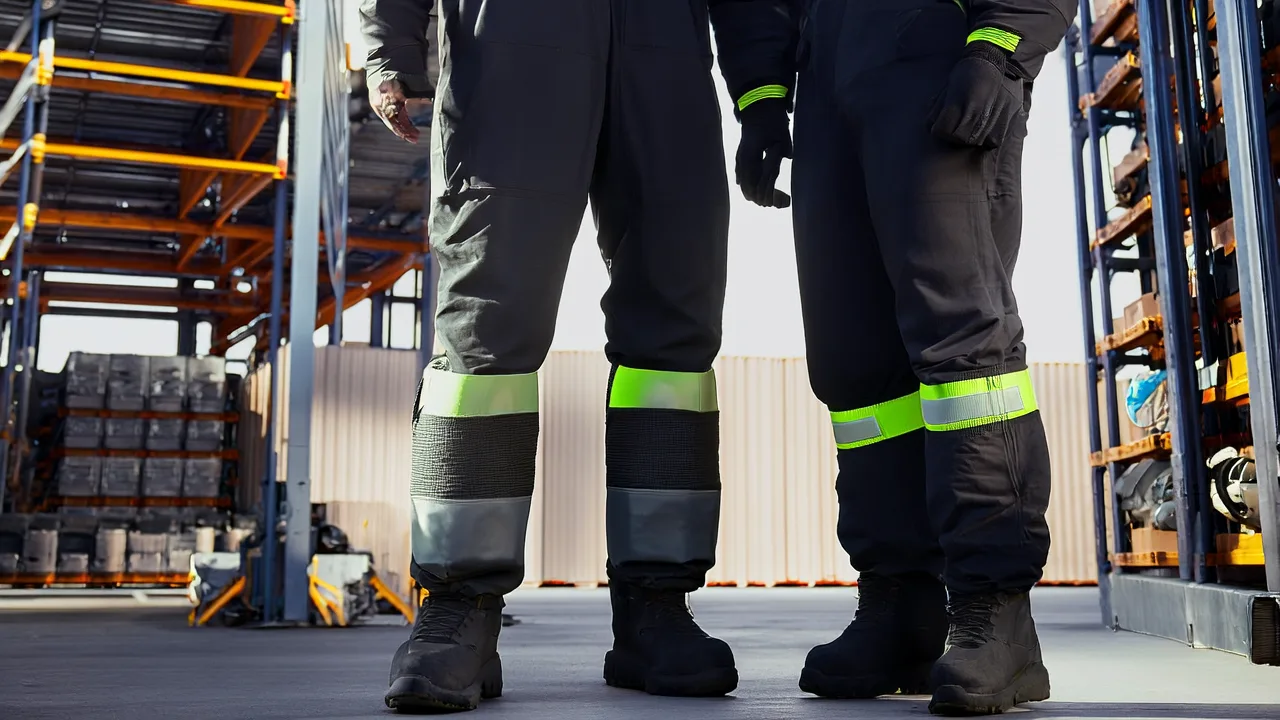
Workwear buyers often add reinforced knee panels to every trouser and coverall order by default, assuming the reinforcement is a universal durability upgrade. The result: the buyer pays a 15–30% cost premium on garments where workers never kneel, while the reinforcement adds weight, reduces breathability, and creates a stiff panel that workers find uncomfortable in warm conditions. The root cause: knee reinforcement is specified as a blanket feature rather than a task-driven decision. This article covers the real cost of unnecessary reinforcement, the task profiles that justify it, and the specification criteria that match reinforcement to actual kneeling exposure.
Buyer context
What procurement teams run into
Workwear buyers frequently add reinforced knee panels to every trouser and coverall order as a default specification, based on the assumption that reinforcement extends garment life across the board. The assumption is logical on its surface — knees are a high-wear area, and reinforcement should reduce replacement frequency. But the assumption ignores a critical variable: not all workers kneel with the same frequency, intensity, or surface contact. A warehouse picker who kneels occasionally on smooth concrete floors places fundamentally different demands on knee fabric than a flooring installer who kneels for hours on abrasive surfaces, or a telecom technician who kneels on gravel and rough terrain. **1. The cost of blanket reinforcement** Reinforced knee panels add measurable cost and complexity to a workwear order: - **Garment cost premium:** Reinforced knee panels typically add 15–30% to the unit cost of a trouser or coverall. The premium covers the additional fabric (often a heavier denier or a double-layer construction), the additional labour to attach the panel, and the additional pattern complexity. For a fleet order of 500 trousers, the premium can add $1,500–$3,000 to the order — a significant sum if a portion of the workforce does not need the reinforcement. - **Weight and breathability reduction:** Reinforced knee panels add a double layer of fabric (or a heavier single layer) over the knee area. The added weight reduces breathability in a zone where the body generates significant heat during movement. Workers in warm climates or high-exertion tasks find reinforced knees uncomfortable and may roll up trouser legs or avoid wearing the garment as intended — defeating the purpose of the specification. - **Stiffness and mobility restriction:** Reinforced panels are typically made from heavier, stiffer fabric than the base garment. The panel creates a stiff zone that restricts knee flexion during walking, climbing, and crouching. Workers who do not need knee protection find the restriction annoying and may cut out the panel or replace the garment with a non-reinforced alternative. - **Aesthetic and professional appearance:** Reinforced knee panels create a visible patch on the garment that some workers and employers consider unprofessional. In client-facing roles (facility maintenance, telecom installation in occupied buildings), the reinforced knee may not align with the employer's appearance standards. **2. The task profiles that justify knee reinforcement** Knee reinforcement is justified when the worker's task profile includes routine, frequent, or prolonged kneeling on abrasive or hard surfaces: - **Flooring installation and tile work:** Workers who install flooring, tile, or carpet kneel for extended periods on abrasive surfaces (concrete, subfloor, adhesive). The knee fabric contacts the surface continuously, and the abrasion wears through standard fabric in weeks rather than months. Reinforcement extends garment life from 2–3 months to 6–12 months in these roles. - **Telecom and electrical underground work:** Workers who install underground cable, splice connections, or service manholes kneel on gravel, rough terrain, and concrete surfaces. The kneeling is frequent and prolonged, and the surface contact is abrasive. Reinforcement protects the garment from rapid wear. - **Plumbing and mechanical maintenance:** Workers who service pipes, valves, and mechanical systems in tight spaces kneel on concrete floors, grating, and uneven surfaces. The kneeling is routine and the surfaces are abrasive. Reinforcement extends garment life in these roles. - **Agricultural and landscaping work:** Workers who plant, harvest, or maintain landscapes kneel on soil, gravel, and rough terrain. The kneeling is frequent and the surface contact is abrasive. Reinforcement protects the garment from soil abrasion and puncture. In these task profiles, the cost of reinforcement is offset by the extended garment life and reduced replacement frequency. The buyer who specifies reinforcement only for these roles avoids the blanket cost premium while protecting the garments that need it most. **3. The task profiles that do not justify knee reinforcement** Knee reinforcement is not justified when the worker's task profile includes minimal, occasional, or no kneeling: - **Warehouse and logistics work:** Warehouse pickers, packers, and forklift operators stand, walk, and drive for the majority of their shift. Occasional kneeling (to retrieve a dropped item, adjust a pallet) does not generate sufficient abrasion to justify reinforcement. Standard trouser fabric lasts 6–12 months in these roles without reinforcement. - **Manufacturing assembly line work:** Assembly line workers stand at workstations or sit on stools for the majority of their shift. Kneeling is rare and brief. Standard trouser fabric lasts 6–12 months without reinforcement. - **Supervisory and client-facing roles:** Site supervisors, safety officers, and client-facing technicians walk and stand for the majority of their shift. Kneeling is rare. Reinforcement adds cost and reduces the professional appearance of the garment without providing meaningful durability benefit. - **Administrative and technical office work:** Workers who spend the majority of their shift in an office or control room do not place meaningful demands on knee fabric. Reinforcement is unnecessary. In these task profiles, the cost of reinforcement is not offset by extended garment life. The buyer who specifies reinforcement for these roles pays a premium for a feature that provides no meaningful benefit. **4. The specification criteria for knee reinforcement** The buyer should specify knee reinforcement based on a task-driven assessment rather than a blanket default: - **Kneeling frequency:** How often does the worker kneel during a typical shift? If the worker kneels more than 10 times per shift, reinforcement is likely justified. If the worker kneels fewer than 5 times per shift, reinforcement is likely not justified. - **Kneeling duration:** How long does the worker remain kneeling on each occasion? If the worker kneels for more than 2 minutes per occasion, reinforcement is likely justified. If the worker kneels for less than 30 seconds per occasion, reinforcement is likely not justified. - **Surface abrasiveness:** What surface does the worker kneel on? If the surface is abrasive (concrete, gravel, rough terrain, metal grating), reinforcement is likely justified. If the surface is smooth (finished floor, carpet, padded mat), reinforcement is likely not justified. - **Garment replacement history:** How frequently does the worker replace trousers or coveralls due to knee wear? If the worker replaces garments every 2–3 months due to knee wear, reinforcement is likely justified. If the worker replaces garments every 6–12 months due to general wear (not knee-specific), reinforcement is likely not justified. The buyer who applies these criteria to each role in the workforce can specify reinforcement selectively — protecting the garments that need it most while avoiding the cost premium for garments that do not.
Sourcing approach
How a factory partner can respond
The solution for knee reinforcement specification is to shift from a blanket default to a task-driven assessment that matches reinforcement to actual kneeling exposure, and to communicate the rationale to workers so that reinforcement is understood as a functional specification rather than a quality marker. **Step 1: Assess kneeling exposure by role** For each role in the workforce, assess kneeling frequency (times per shift), kneeling duration (minutes per occasion), surface abrasiveness (smooth, moderate, abrasive), and garment replacement history (months between replacements due to knee wear). Use the assessment to classify each role as requiring reinforcement, not requiring reinforcement, or uncertain. **Step 2: Specify reinforcement selectively** For roles classified as requiring reinforcement (frequent, prolonged kneeling on abrasive surfaces), specify reinforced knee panels in the procurement specification. For roles classified as not requiring reinforcement (minimal kneeling, smooth surfaces), specify standard knee fabric. For roles classified as uncertain, order a small pilot batch of reinforced garments and monitor garment life over 3–6 months to determine whether reinforcement extends garment life sufficiently to justify the cost premium. **Step 3: Consider removable knee pad pockets as an alternative** For roles where kneeling exposure is variable or uncertain, specify trousers or coveralls with removable knee pad pockets rather than fixed reinforced panels. The worker can insert a knee pad when kneeling exposure is expected and remove the pad when it is not. The pocket adds minimal cost compared to a fixed panel, and the knee pad provides additional protection beyond fabric reinforcement (cushioning against hard surfaces). The removable pad approach is particularly useful for roles where kneeling exposure varies by task or season. **Step 4: Communicate the rationale to workers** Explain to workers that reinforcement is a functional specification matched to their task profile, not a quality marker. Workers who receive non-reinforced garments should understand that the specification reflects their actual kneeling exposure, not a cost-cutting decision. Workers who receive reinforced garments should understand that the reinforcement is intended to extend garment life in their specific role. Clear communication reduces worker dissatisfaction and prevents the perception that non-reinforced garments are inferior. **Recommended garments for task-driven knee reinforcement specification:** - **Construction softshell-set** — specify the trouser component with reinforced knee panels for workers in flooring installation, telecom underground work, and plumbing maintenance where kneeling on abrasive surfaces is routine. The softshell trouser provides wind and water resistance for outdoor work, and the reinforced knee panel extends garment life in high-kneeling roles. Specify the trouser without reinforcement for warehouse, logistics, and supervisory roles where kneeling is minimal. - **Industrial coverall-pro** — specify the coverall with reinforced knee panels for workers in mechanical maintenance, agricultural work, and landscaping where kneeling on abrasive surfaces is frequent. The coverall provides full-body protection, and the reinforced knee panel extends garment life in high-kneeling roles. Alternatively, specify the coverall with removable knee pad pockets for roles where kneeling exposure is variable.
Recommended Products
Products that fit this use case
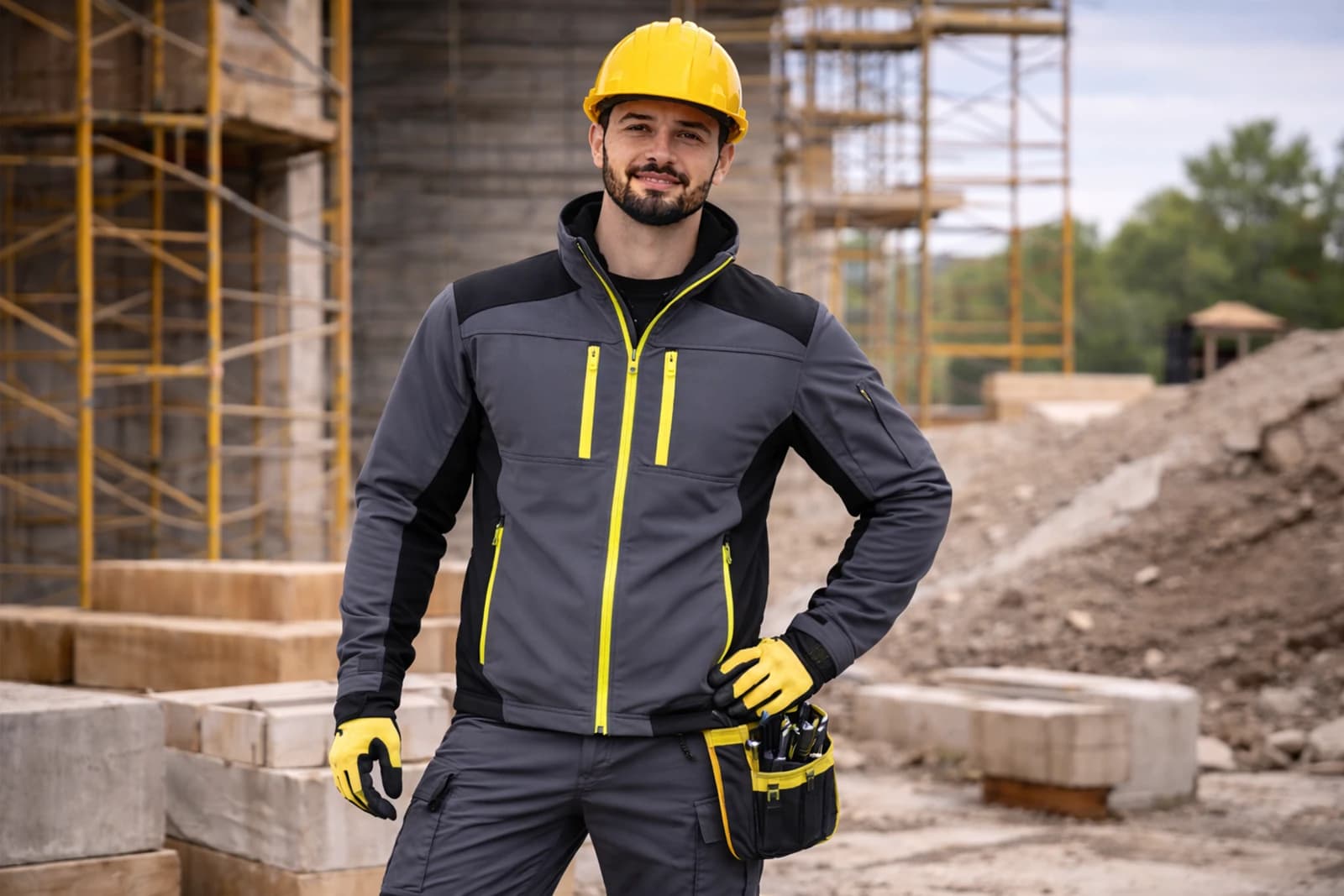
Construction Clothing
Construction Softshell Set
Flexible jacket and trouser set built for crews working across changing weather conditions.
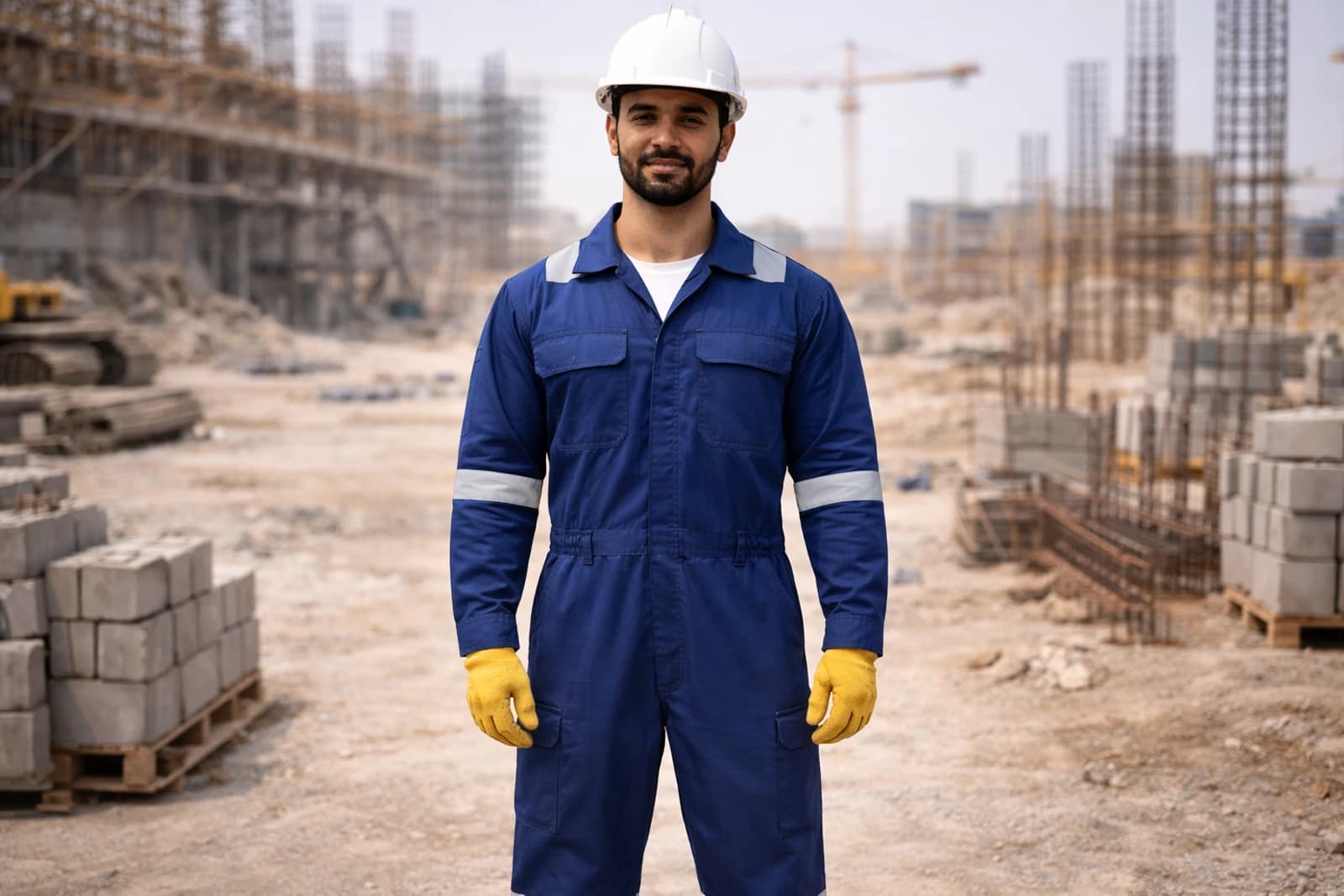
Industrial Workwear
Industrial Coverall Pro
Hard-wearing one-piece coverall for plant, maintenance, and heavy-duty operations.