Sourcing Construction Workwear for Middle East Mega-Projects: A B2B Buyer's Guide to Uniforming Large Workforce
Middle East construction mega-projects — NEOM, Red Sea Project, Expo City Dubai, and Saudi Vision 2030 developments — require consistent, certified workwear across workforces of 5,000 to 50,000+ workers. This guide covers how B2B buyers can source durable construction workwear from Chinese manufacturers at scale, ensuring quality, certification compliance, and timely delivery across Gulf project sites.

Buyer context
What procurement teams run into
Procurement teams managing workwear for Middle East mega-construction projects face a fundamentally different challenge than outfitting a single warehouse or factory. A typical Saudi giga-project or Dubai infrastructure program requires workwear for 10,000 to 50,000+ workers spread across multiple sites, with roles ranging from general labour and steel fixers to crane operators, site supervisors, and safety inspectors. Each role needs appropriate protection, and all garments must present a consistent brand identity across every project location. The first and most difficult challenge is standardization across scale. When one project block needs 2,000 hi-vis jackets and another needs 3,500 softshell sets, procuring from multiple suppliers creates inconsistencies in fabric colour, reflective tape placement, sizing, and durability. Workers on the same project wearing visibly different uniforms undermines site discipline and slows access control. A single-source manufacturer that can produce the full range — hi-vis jackets, softshell construction sets, coveralls, and polo uniforms — eliminates these inconsistencies and streamlines quality control. Certification compliance across diverse job roles is the second major hurdle. Saudi Arabia's Ministry of Human Resources and Social Development (MHRSD), along with local municipality safety regulations, increasingly require documented compliance with international standards such as EN ISO 20471 for high-visibility garments, EN 343 for weather protection, and EN 14404 for knee protection in construction trousers. Importers must ensure that every garment delivered to site carries the correct certification marking, test reports, and traceable batch documentation. Chinese manufacturers with regular export experience to GCC markets understand these documentation requirements — but not all factories have the processes in place to supply certification packets with every shipment. The third persistent challenge is supply chain reliability at scale. Construction projects operate on tight timelines — a delayed workwear shipment can hold up site induction and safety training schedules for thousands of workers. B2B buyers need a manufacturer that can commit to production schedules of 20,000 to 100,000+ units per order, with consistent quality across production runs, reliable fabric stock availability, and logistical capability to split and ship to multiple Middle East ports or project-site warehouses. Lead times of 45–60 days from order to Gulf port delivery must be dependable, not aspirational. Finally, climate adaptation remains a critical but often overlooked factor. The same worker who needs a full construction softshell set on a November night shift in AlUla may need only a hi-vis vest and polo shirt during an August afternoon on the same site. A well-designed workwear system built around interchangeable layers — lightweight polo uniforms for hot months, softshell jackets for cooler periods, and durable coveralls for high-risk tasks — gives site safety managers flexibility without requiring entirely separate uniform sets for different seasons.
Sourcing approach
How a factory partner can respond
The most effective approach for Middle East mega-project workwear procurement is to source a coordinated uniform system from a single Chinese manufacturer that covers all core garment types, rather than sourcing each garment category separately. A comprehensive construction workforce uniform package should include: (1) hi-vis safety jackets meeting EN ISO 20471 Class 3 or Class 2 (depending on role risk assessment), with breathable mesh lining and lightweight fabric (150–180 gsm) suitable for Gulf climate use; (2) construction softshell sets (jacket + trouser) with water-resistant outer membrane, fleece backing, reinforced knees, and multiple utility pockets, ideal for cooler months and night shifts; (3) industrial coveralls for welders, plant operators, and confined-space work, with abrasion-resistant fabric and optional FR treatment; and (4) logistics-style polo uniforms for supervisory staff, site office workers, and light-duty roles, which help reduce costs by reserving heavy PPE for frontline workers. When selecting a manufacturer, B2B buyers should prioritize Chinese factories with three specific capabilities. First, confirmed experience with Middle East export documentation — including test reports from ISO 17025 accredited laboratories, SASO or Gulf conformity certificates where applicable, and traceable batch-level certification for each garment type. Second, a demonstrated fabric stock program that allows order changes within an agreed percentage without triggering new fabric procurement delays, which is crucial when project headcount estimates change after the order is placed. Third, a logistics arrangement that includes consolidated LCL shipping to major Gulf ports (Jebel Ali, Dammam, Hamad, Salalah) with the flexibility to split shipments across multiple project delivery addresses within the GCC. Bulk pricing and minimum order quantities are another key consideration. For mega-project volumes (10,000+ units per garment type), a Chinese manufacturer can typically offer tiered pricing with the best rates at order volumes above 30,000 units per style. Buyers should negotiate volume commitments across the full uniform package rather than negotiating each garment separately — this approach usually yields 15–25% better pricing than piecemeal sourcing. Ask for fabric swatch approval before bulk production, a pre-production sample for each garment type, and a third-party inspection report before shipment release. Finally, plan for the full lifecycle. Mega-projects run for 5–15 years, so workwear will need reordering across multiple phases. Establish a framework agreement with the manufacturer that locks in pricing for repeat orders within 12–18 months, secures fabric allocation for follow-on orders, and includes a 5–10% buffer stock allowance for new workers joining mid-project. A manufacturer with reliable raw material supply chains, dedicated MOQ-free reorder slots, and experience shipping to the same GCC project over multiple phases will save procurement teams months of re-tendering work on every subsequent order.
Recommended Products
Products that fit this use case
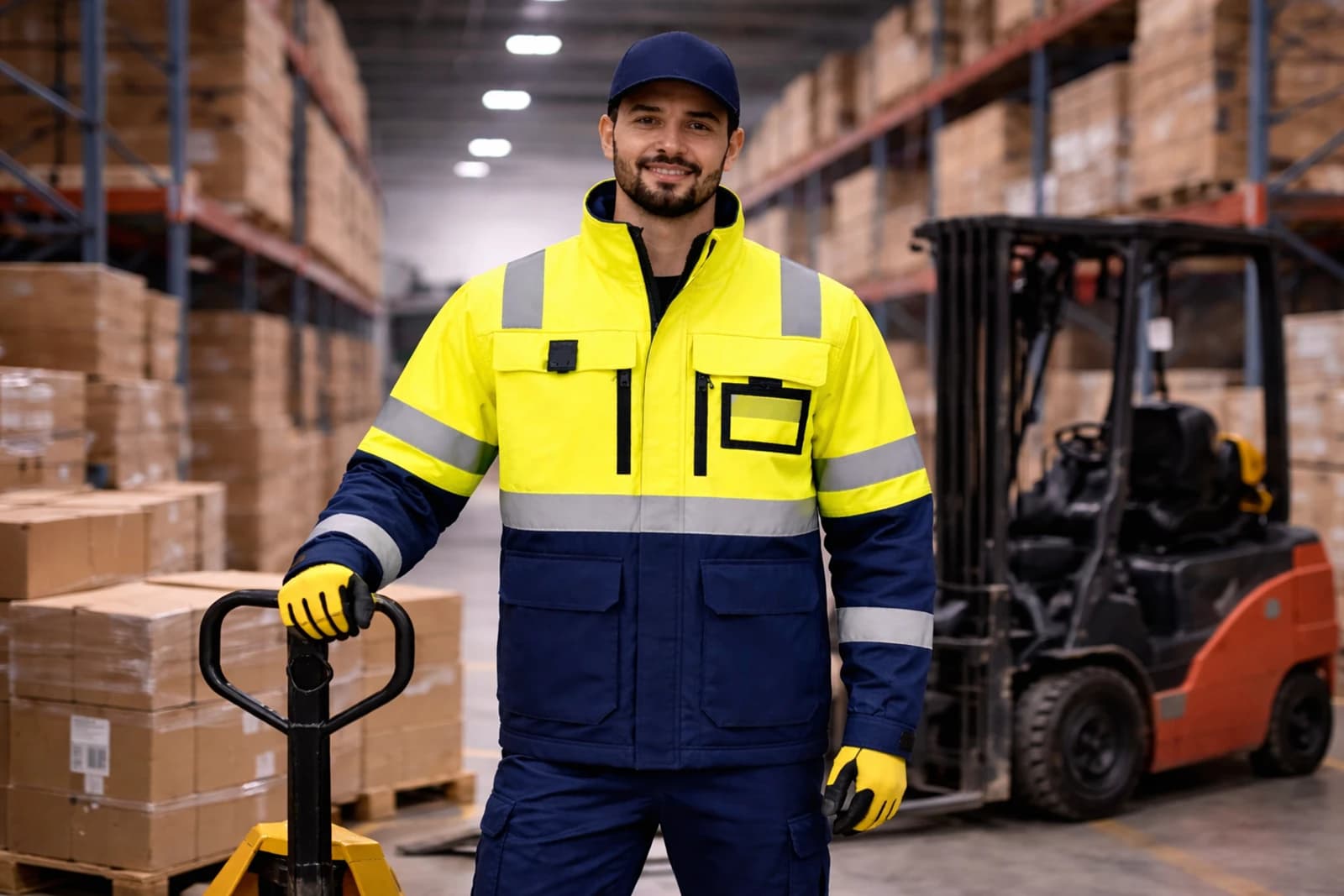
Safety Uniform
Hi-Vis Safety Jacket
Reflective safety jacket for high-visibility site operations and road work crews.
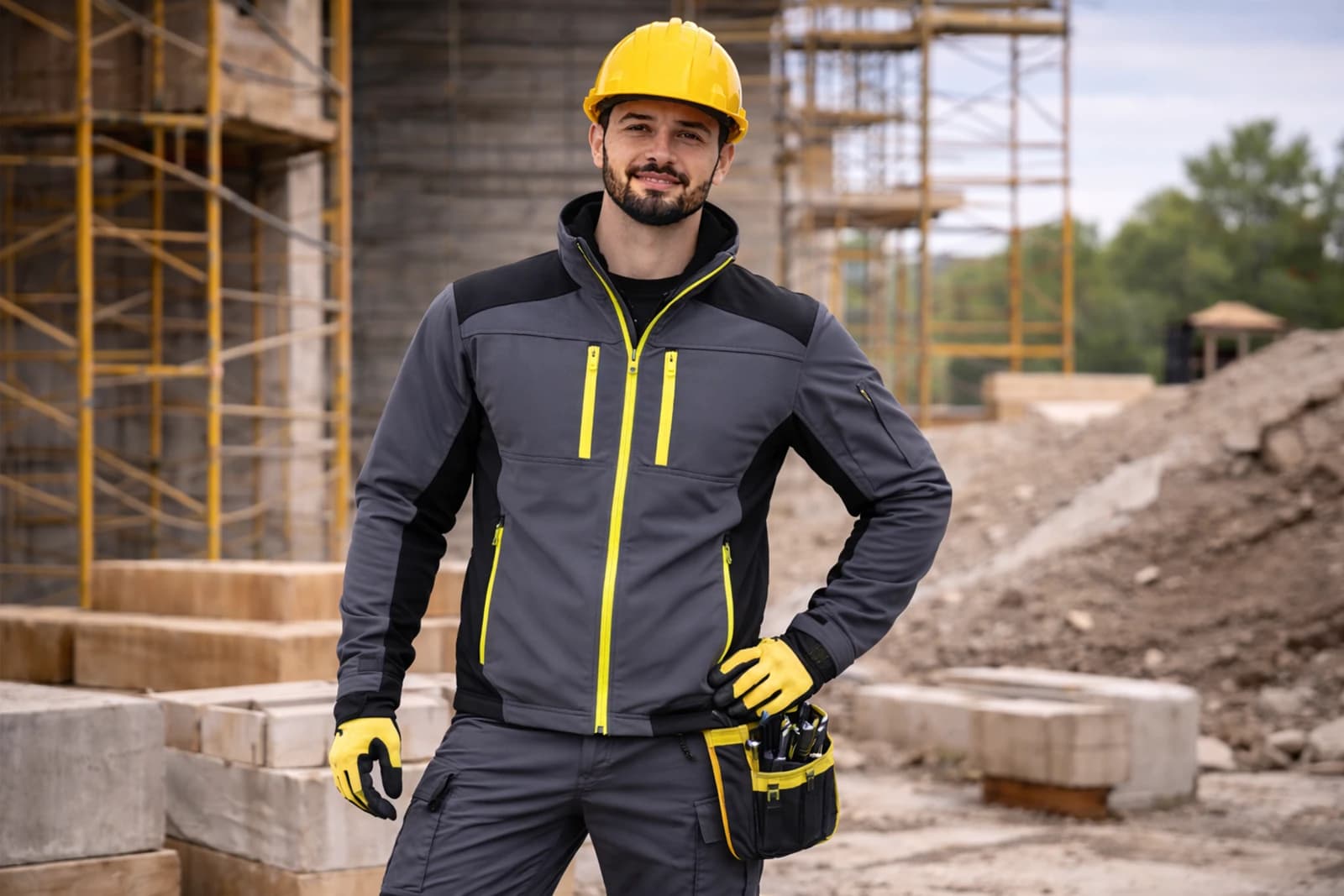
Construction Clothing
Construction Softshell Set
Flexible jacket and trouser set built for crews working across changing weather conditions.
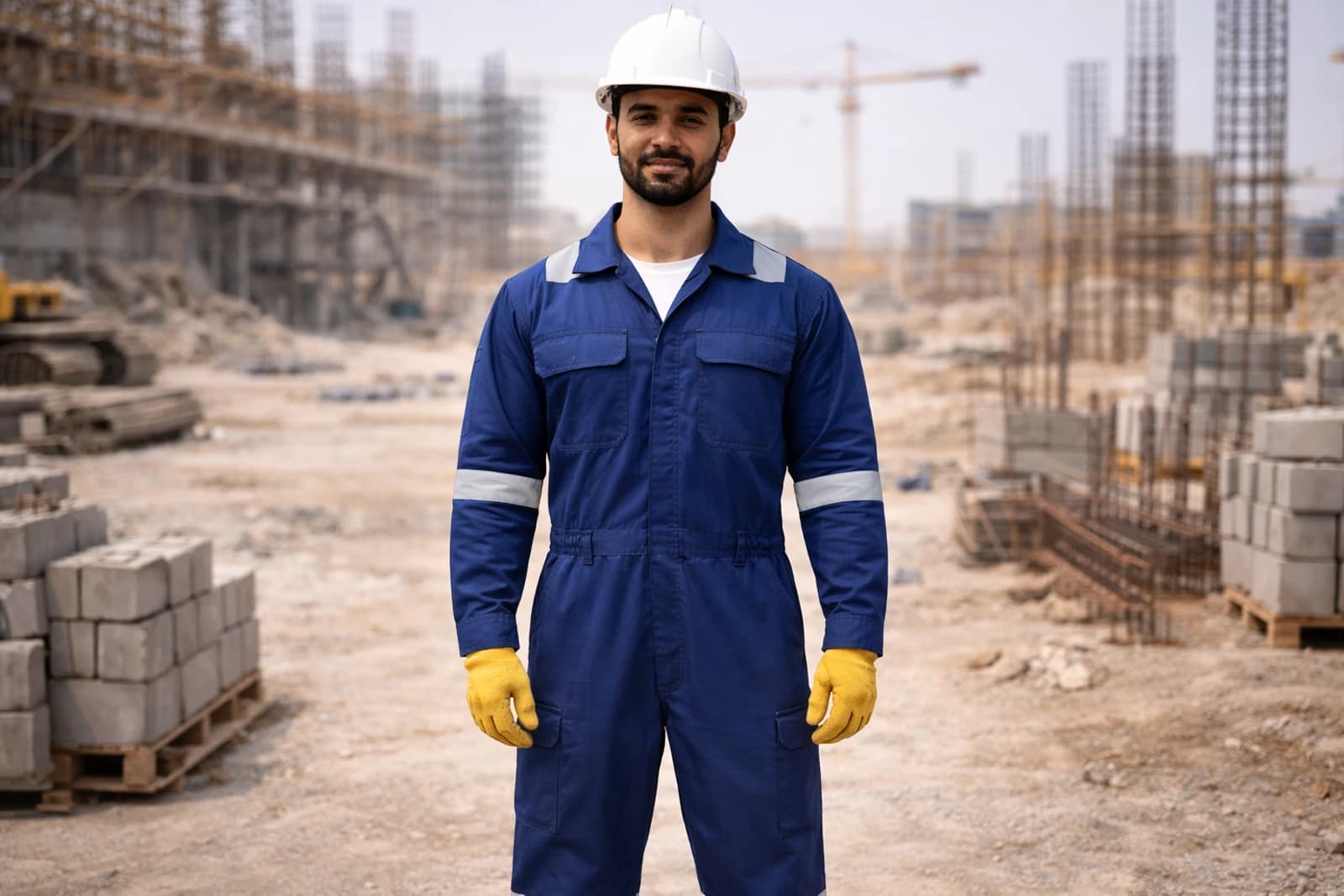
Industrial Workwear
Industrial Coverall Pro
Hard-wearing one-piece coverall for plant, maintenance, and heavy-duty operations.

Logistics Uniform
Logistics Polo Uniform
Breathable uniform polo for warehouse, delivery, and last-mile teams.