What Does Arc Rating Actually Require in Your Power Line Workwear Spec?
Power line workers face arc flash hazards that standard workwear cannot address. An arc-rated garment specification requires more than selecting a fabric with an ATPV value — it requires understanding the incident energy exposure, selecting the right fabric weight and layering system, and ensuring the garment design does not create secondary hazards. This article covers the decision criteria for specifying arc-rated workwear for power line operations.
Buyer context
What procurement teams run into
Power line workers work on energized or de-energized overhead electrical distribution and transmission systems. The work creates exposure to arc flash — a sudden release of electrical energy through the air that creates intense heat (up to 19,000°C), pressure waves, and molten metal splatter. Arc flash incidents occur during switching operations, fault conditions, equipment failures, and when tools or equipment contact energized components. The arc flash hazard is not theoretical. Electrical utilities record arc flash incidents regularly, and the consequences are severe: burns, blast injuries, hearing damage, and fatalities. The workwear specification for power line workers must address the arc flash hazard — but specifying arc-rated workwear is more complex than selecting a fabric with an arc thermal performance value (ATPV). **1. The specification gap: arc rating is requested but not defined** Many power line workwear specifications include a requirement for "arc-rated" or "arc-flash protective" garments — but do not define the level of protection required. The specification may state "garments must be arc-rated" without specifying the incident energy exposure level, the required ATPV, or the fabric weight and layering system needed to achieve the required protection. Arc rating is not a binary property — a garment is not simply "arc-rated" or "not arc-rated." Arc rating is measured by the arc thermal performance value (ATPV), which indicates the incident energy (in cal/cm²) that the fabric can resist before the wearer receives a second-degree burn. A fabric with an ATPV of 8 cal/cm² provides a different level of protection than a fabric with an ATPV of 40 cal/cm². The workwear specification must define the required ATPV based on the incident energy exposure of the work task. **2. Incident energy exposure determines the required ATPV** The required ATPV for power line workwear depends on the incident energy exposure of the work task. Incident energy is calculated based on the electrical system's available fault current, the clearing time of the protective device, and the distance from the arc to the worker. Different tasks on the same electrical system may have different incident energy exposures: - Routine switching operations: lower incident energy exposure (the worker is at a distance from the equipment, and the exposure duration is short) - Equipment inspection and maintenance: higher incident energy exposure (the worker is closer to the equipment, and the exposure duration may be longer) - Fault clearing and emergency response: highest incident energy exposure (the worker is closest to the equipment, and the exposure duration is unpredictable) The workwear specification must define the incident energy exposure for each task category and specify the required ATPV for each category. The utility's electrical safety team typically performs an arc flash hazard analysis that calculates the incident energy for each task category — the workwear specification must reference this analysis and specify the required ATPV accordingly. **3. Fabric weight and layering determine the achieved ATPV** The ATPV of a garment is determined by the fabric weight and the layering system. A single-layer garment made from a heavier fabric (e.g., 280–320 GSM arc-rated fabric) provides a higher ATPV than a single-layer garment made from a lighter fabric (e.g., 200–240 GSM arc-rated fabric). A multi-layer system (e.g., an arc-rated shirt worn under an arc-rated coverall) provides a higher ATPV than a single-layer garment. The tradeoff is between protection and comfort. A heavier fabric or multi-layer system provides higher ATPV but is heavier, less breathable, and less comfortable for the worker — particularly in warm climates where power line work is often performed. The specification must balance the required ATPV with the worker's comfort and mobility needs. Options for achieving the required ATPV: - Single-layer heavy fabric: 280–320 GSM arc-rated fabric provides moderate ATPV (e.g., 12–20 cal/cm²) in a single layer. Suitable for tasks with moderate incident energy exposure. The fabric is heavier and less breathable but provides adequate protection in a single layer. - Multi-layer system: a lighter arc-rated base layer (e.g., 200–240 GSM shirt) worn under an arc-rated outer layer (e.g., 280–320 GSM coverall) provides higher ATPV (e.g., 25–40 cal/cm²) than a single-layer garment. The multi-layer system allows the worker to remove the outer layer when the incident energy exposure is lower, providing flexibility. However, the multi-layer system is heavier and less breathable when both layers are worn. - High-performance lightweight fabric: some arc-rated fabrics provide higher ATPV at lower fabric weights (e.g., 200–240 GSM fabric with ATPV of 15–25 cal/cm²). These fabrics are lighter and more breathable but may be more expensive. The specification must define the required ATPV and allow the manufacturer to propose fabric weight and layering options that achieve the required ATPV while meeting comfort and mobility requirements. **4. Garment design must not create secondary hazards** Arc-rated workwear must address the arc flash hazard — but the garment design must not create secondary hazards that increase the risk to the worker during an arc flash event: - **Melting or dripping fabric**: some synthetic fabrics melt and drip when exposed to arc flash heat, creating burn injuries from molten fabric contacting the skin. The specification must require arc-rated fabric that does not melt or drip (e.g., inherent arc-rated fabrics such as modacrylic blends, or treated cotton fabrics that are certified to not melt or drip). - **Metal components**: metal zippers, snaps, and buttons can conduct heat during an arc flash event, creating burn injuries at the contact points. The specification must require non-metallic closures (e.g., plastic zippers, snap closures with non-metallic components) or covered metal closures (e.g., zippers covered by a fabric storm flap). - **Fit and entanglement**: loose-fitting garments can catch on equipment or be ignited by the arc flash pressure wave. The specification must require a fit that allows full range of motion without excess fabric that can snag or entangle. However, the garment must not be so tight that it restricts movement or creates discomfort during physical work. - **Pocket placement and content**: pockets on the chest or abdomen can trap molten metal or arc flash debris, creating burn injuries. The specification must require pocket placement that does not create traps for molten metal (e.g., pockets with flaps or closures that prevent debris entry, or pocket placement on the lower body rather than the chest). **5. The procurement challenge: arc-rated fabric availability and lead time** Arc-rated fabrics are not as widely available as standard workwear fabrics. The number of fabric manufacturers that produce arc-rated fabrics is limited, and the lead time for arc-rated fabrics is typically longer than for standard fabrics. The procurement specification must account for: - Fabric availability: confirm that the required arc-rated fabric is available from multiple manufacturers to avoid single-source dependency. - Lead time: arc-rated fabric lead times are typically 8–12 weeks longer than standard fabrics. The procurement timeline must account for this lead time. - Cost: arc-rated fabrics are more expensive than standard fabrics. The procurement budget must account for the higher cost. The specification must define the required ATPV and allow the manufacturer to propose fabric options that meet the requirement — rather than specifying a single fabric that may not be available or may have long lead times.
Sourcing approach
How a factory partner can respond
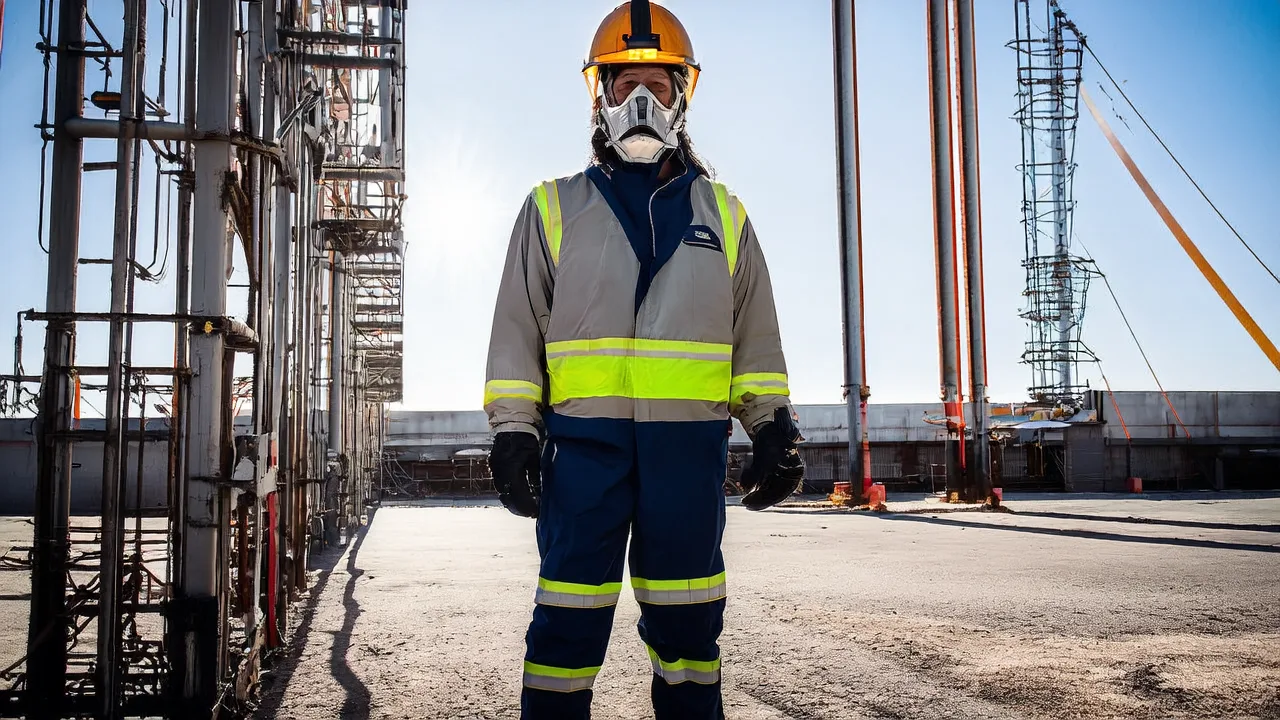
**Step 1: Obtain the arc flash hazard analysis for the work tasks** Before specifying arc-rated workwear, obtain the arc flash hazard analysis for the power line work tasks. The analysis should be performed by the utility's electrical safety team or a qualified electrical safety engineer. The analysis calculates the incident energy (in cal/cm²) for each task category: - Routine switching operations - Equipment inspection and maintenance - Fault clearing and emergency response - Other tasks as identified by the electrical safety team The arc flash hazard analysis defines the incident energy exposure for each task category — and the required ATPV for the workwear must match or exceed the incident energy exposure. If the incident energy for a task is 25 cal/cm², the workwear must have an ATPV of at least 25 cal/cm². If the utility does not have an arc flash hazard analysis, commission one before specifying arc-rated workwear. Specifying arc-rated workwear without knowing the required ATPV is equivalent to specifying PPE without knowing the hazard level — the protection may be inadequate or excessive. **Step 2: Define the required ATPV by task category** Based on the arc flash hazard analysis, define the required ATPV for each task category: - Task category: routine switching operations → incident energy: X cal/cm² → required ATPV: X cal/cm² (or higher) - Task category: equipment inspection and maintenance → incident energy: Y cal/cm² → required ATPV: Y cal/cm² (or higher) - Task category: fault clearing and emergency response → incident energy: Z cal/cm² → required ATPV: Z cal/cm² (or higher) The specification must define the required ATPV for each task category — not a single ATPV for all tasks. Different tasks have different incident energy exposures, and the workwear specification must match the protection to the task. If the utility requires a single garment type for all tasks (to simplify procurement and inventory), specify the garment to the highest required ATPV (the task category with the highest incident energy exposure). This ensures the garment provides adequate protection for all tasks — but may result in over-protection for lower-risk tasks, with associated comfort and cost tradeoffs. **Step 3: Specify fabric and layering options that achieve the required ATPV** For each task category, specify the fabric and layering options that achieve the required ATPV: - Single-layer heavy fabric: for tasks with moderate incident energy exposure (e.g., 12–20 cal/cm²), specify a single-layer garment made from 280–320 GSM arc-rated fabric. The fabric must be certified to the relevant arc rating standard (e.g., ASTM F1959 or IEC 61482-1-2) and must not melt or drip. - Multi-layer system: for tasks with higher incident energy exposure (e.g., 25–40 cal/cm²), specify a multi-layer system (e.g., an arc-rated shirt worn under an arc-rated coverall). The multi-layer system must be tested as a system (not individual layers) to confirm the achieved ATPV. Specify the layering system in the procurement specification — not as individual garments. - High-performance lightweight fabric: for tasks where comfort and mobility are critical (e.g., work in warm climates, physically demanding tasks), specify high-performance lightweight arc-rated fabric (e.g., 200–240 GSM with ATPV of 15–25 cal/cm²). The fabric must be certified to the relevant arc rating standard. Allow the manufacturer to propose fabric and layering options that achieve the required ATPV — rather than specifying a single fabric. This allows the manufacturer to offer options that balance protection, comfort, and cost. **Step 4: Specify garment design requirements that prevent secondary hazards** For arc-rated workwear, specify garment design requirements that prevent secondary hazards during an arc flash event: - Non-melting, non-dripping fabric: require inherent arc-rated fabric (e.g., modacrylic blend) or treated cotton fabric that is certified to not melt or drip during arc flash exposure. - Non-metallic closures: require plastic zippers, non-metallic snap closures, or covered metal closures (e.g., zippers covered by a fabric storm flap). Metal closures conduct heat during arc flash exposure and create burn injuries at contact points. - Fit requirement: require a fit that allows full range of motion without excess fabric that can snag or entangle. Specify the fit as "ergonomic" or "athletic" cut rather than "loose" or "relaxed" cut. - Pocket design: require pockets with flaps or closures that prevent molten metal or debris entry. Avoid chest pockets that create traps for molten metal — specify pocket placement on the lower body (thigh pockets, cargo pockets) rather than the chest. - Seamless or minimal-seam design: reduce the number of seams in high-risk areas (chest, arms) to reduce the risk of arc flash penetration through stitch holes. **Step 5: Account for arc-rated fabric availability and lead time in the procurement timeline** Arc-rated fabrics have longer lead times than standard workwear fabrics. The procurement timeline must account for: - Fabric lead time: 8–12 weeks for arc-rated fabric production (compared to 4–6 weeks for standard fabrics). Add this lead time to the procurement schedule. - Multiple fabric sources: specify that the manufacturer must source arc-rated fabric from at least two approved fabric manufacturers to avoid single-source dependency. If one fabric manufacturer has a supply disruption, the garment manufacturer can source from the alternative manufacturer. - Cost: arc-rated fabrics are more expensive than standard fabrics. The procurement budget must account for the higher cost — typically 30–50% higher than standard workwear fabrics. **Step 6: Pilot the arc-rated workwear before full implementation** Before committing to a full fleet order, pilot the arc-rated workwear with one power line crew for 8–10 weeks: - Issue the arc-rated workwear to 10–15 power line workers who perform the tasks defined in the arc flash hazard analysis. - Collect data on: worker comfort (survey), garment condition after 4, 6, 8, and 10 weeks (inspect for fabric degradation, seam failure, closure failure), worker feedback on the garment's mobility, breathability, and comfort during physical work, and whether the garment design creates any secondary hazards (e.g., pockets that trap debris, closures that are difficult to operate with gloves). - Compare results to the previous standard garment: did worker comfort improve? Did the garment meet the mobility and breathability needs of the workers? Did the garment design prevent secondary hazards? Use pilot data to refine the fabric selection, garment design, and layering system before full implementation across all power line crews. **Recommended garments for power line workwear:** - **Industrial coverall-pro** — specify as the primary arc-rated garment for power line workers. The coverall provides full-body arc flash protection and can be specified with arc-rated fabric (inherent modacrylic blend or treated cotton) that achieves the required ATPV for the work tasks. Specify the coverall with non-metallic closures (plastic zippers, non-metallic snaps), ergonomic fit for full range of motion during climbing and physical work, pocket placement on the lower body (thigh pockets with flaps) to prevent molten metal traps, and minimal-seam design in high-risk areas (chest, arms). Specify the coverall with a fabric weight and layering system that achieves the required ATPV for the highest-risk task category. - **Hi-vis safety jacket** — specify as the outer layer for power line workers who require visibility compliance when working near roads, traffic, or in low-light conditions. The hi-vis jacket provides EN ISO 20471 Class 3 compliance for visibility, and can be specified with arc-rated fabric to maintain arc flash protection when worn as the outer layer. The jacket is worn over the arc-rated coverall and provides both visibility compliance and additional arc flash protection (the multi-layer system increases the achieved ATPV). Specify the hi-vis jacket with non-metallic closures, ergonomic fit, and breathable fabric to prevent overheating during physical work.
Recommended Products
Products that fit this use case
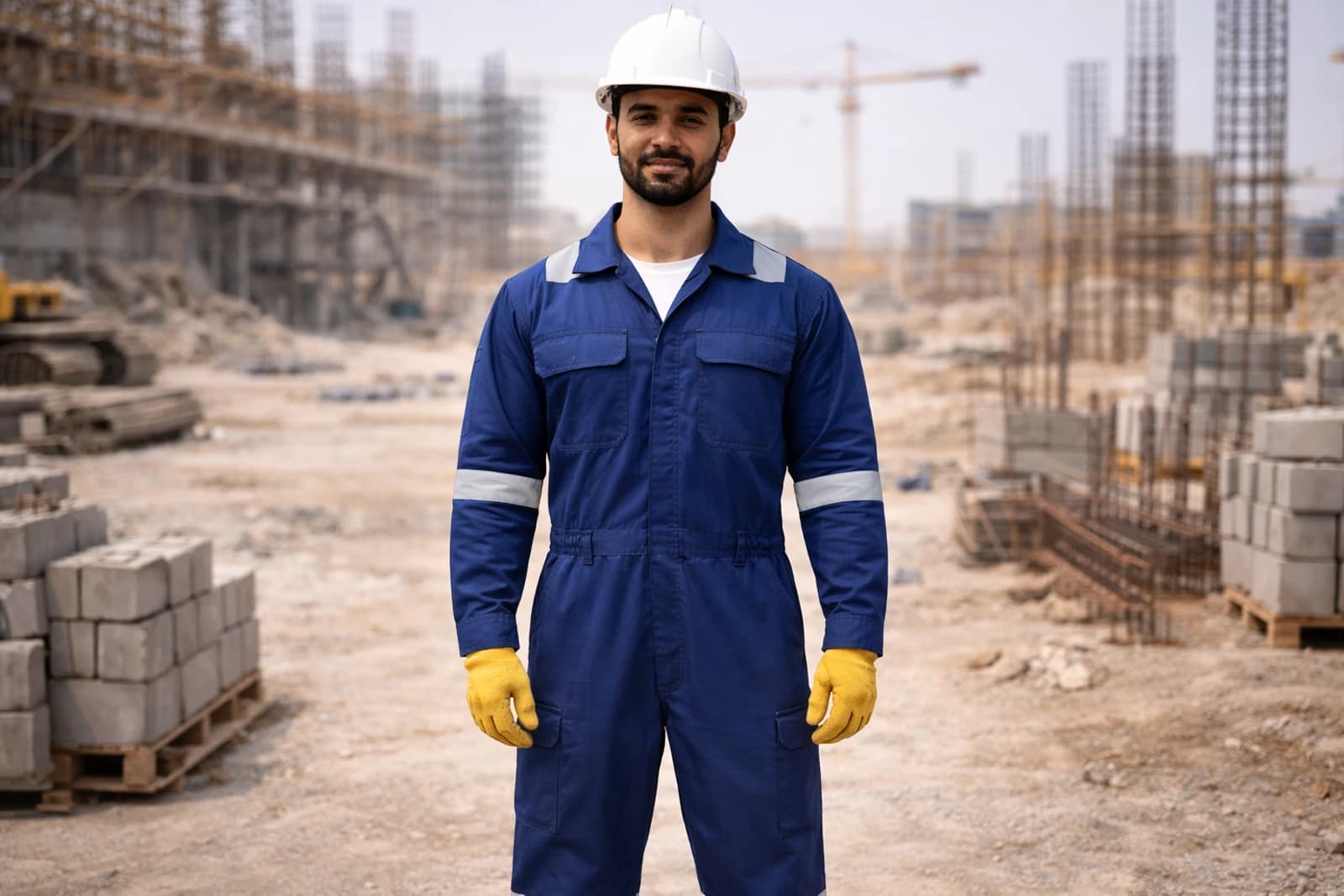
Industrial Workwear
Industrial Coverall Pro
Hard-wearing one-piece coverall for plant, maintenance, and heavy-duty operations.
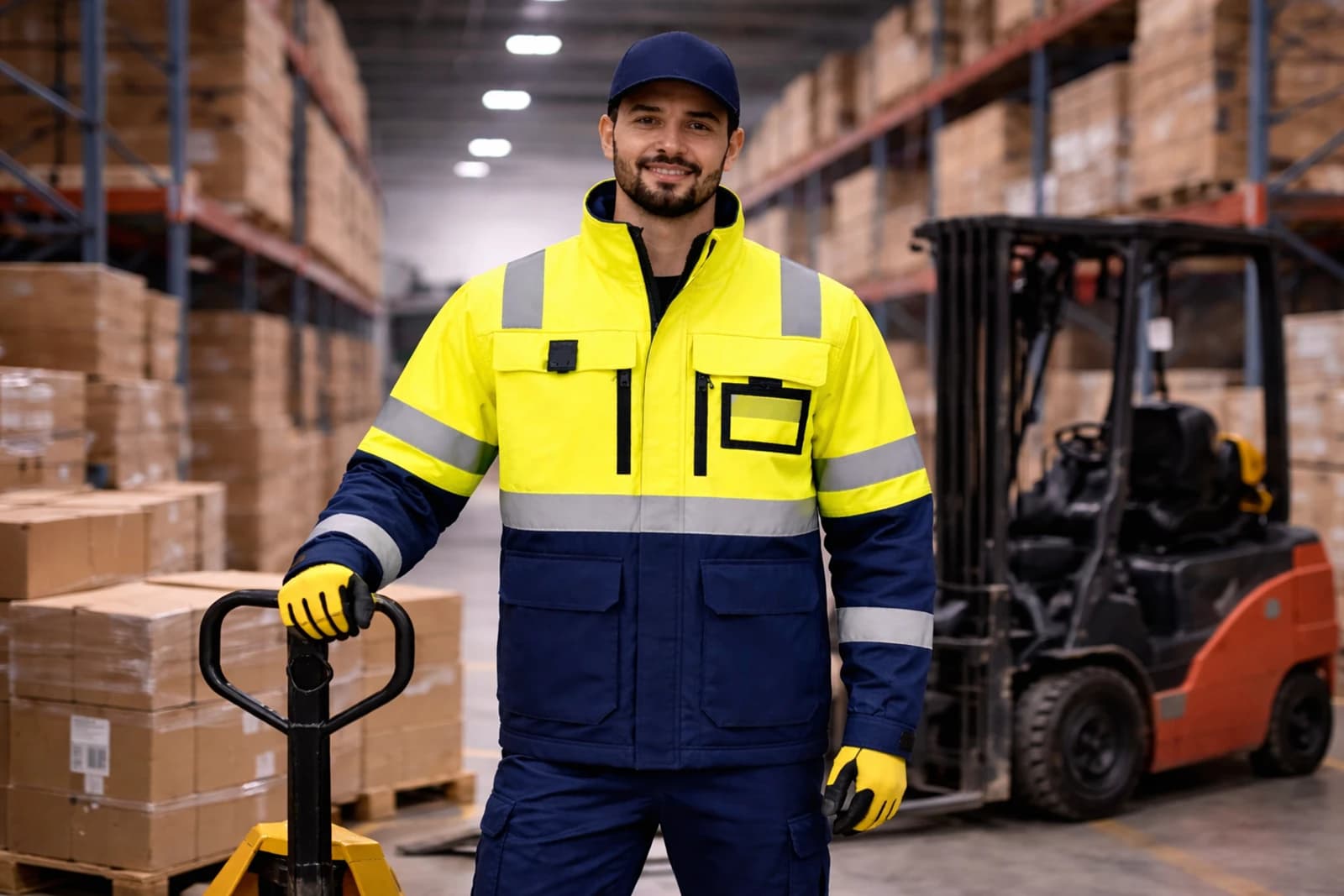
Safety Uniform
Hi-Vis Safety Jacket
Reflective safety jacket for high-visibility site operations and road work crews.