Why Distribution Centre Workwear Fails When Workers Cross Temperature Zones
Distribution centre workers routinely move between ambient picking areas, chilled storage, and sub-zero freezers — often within the same shift. Most workwear specifications treat the facility as a single thermal environment and issue one garment type for all zones. The result is predictable: workers in cold zones face cold stress, workers in warm zones face heat stress, and both groups modify their garments in ways that break compliance, create safety gaps, and undermine the uniform standard. This article covers the zone-specific workwear specification that matches garment to actual thermal exposure instead of forcing a single solution across zones that differ by 40°C or more.
Buyer context
What procurement teams run into
Distribution centres are not a single thermal environment. A typical facility includes ambient dry-goods warehouses (25–32°C), chilled storage areas (0–4°C), and sub-zero freezers (−18 to −25°C). Workers do not stay in one zone — pickers move between ambient aisles and chilled chambers, loaders pass through loading docks where temperature fluctuates with door openings, and supervisors walk the full facility multiple times per shift. Most workwear specifications ignore this reality and issue one garment type for all workers across all zones. The result is a consistent pattern of garment failure that has nothing to do with fabric quality and everything to do with specification mismatch. **1. The single-garment specification creates two simultaneous failures** When a distribution centre specifies one garment for all zones, two things happen at once: - Workers in cold zones (chilled storage, freezers) receive a garment designed for ambient conditions. The garment provides no thermal insulation. Workers experience cold stress — reduced dexterity, discomfort, and in extreme cases, cold-related injury. Workers respond by wearing personal thermal layers under the issued uniform, which creates fit problems (bulkier fit increases snag risk on racking and conveyors), appearance inconsistency (personal layers visible under uniform), and compliance gaps (personal layers may not meet hi-vis or contamination requirements for the zone). - Workers in warm zones (ambient picking, loading docks in summer) receive a garment designed for cooler conditions — or, if the garment is designed for ambient, it is too warm for workers performing high-exertion tasks in 30°C+ temperatures. Workers experience heat stress — sweating, fatigue, reduced concentration. Workers respond by removing layers, rolling sleeves, or wearing personal clothing instead of issued garments — again creating compliance gaps, safety issues, and inconsistent appearance. Neither group is satisfied. Neither group is wearing the garment as intended. The workwear programme fails not because the garment is poor quality, but because the specification does not match the thermal reality of the facility. **2. The temperature differential is larger than most procurement teams realise** A distribution centre with ambient, chilled, and freezer zones has a temperature range of up to 55°C (from −25°C in the freezer to +30°C on the loading dock in summer). No single garment can perform across this range. The thermal insulation (clo value) required for comfortable work in −25°C is approximately 2.5–3.0 clo; the thermal insulation required for comfortable work in +30°C with moderate exertion is approximately 0.3–0.5 clo. The difference is 5–8× in insulation requirement. Most specifications do not account for this range. The specification might call for a "breathable polo shirt" or a "durable workwear set" — without recognising that the thermal requirement for a freezer worker is fundamentally different from the thermal requirement for an ambient picker. The specification treats temperature as a general comfort consideration rather than a functional requirement that determines garment type, fabric weight, layering system, and replacement criteria. **3. Workers adapt — and the adaptations create new problems** When the issued garment does not match the thermal environment, workers adapt. The adaptations are rational individual responses but create operational problems: - Personal thermal layers in cold zones: Workers wear personal jackets, hoodies, or thermal underwear under or over the issued uniform. These personal garments are not controlled by the workwear programme — they may not meet hi-vis requirements, they may shed fibres in food-grade cold storage areas, they may have loose cords or hoods that create snag hazards near conveyors and racking. The workwear programme loses control of the uniform standard. - Garment modification in warm zones: Workers roll sleeves, remove hi-vis jackets, or wear personal shorts instead of issued trousers. Rolled sleeves expose arms to abrasion and chemical contact; removed hi-vis jackets create visibility compliance gaps; personal shorts may not meet the site's dress code or safety requirements. - Inconsistent appearance across the workforce: Some workers wear the issued garment as intended; others layer personal garments over it; others replace it with personal clothing. The workforce no longer has a consistent, identifiable uniform — which creates problems for site security, supervision, and brand representation when visitors or clients tour the facility. **4. The loading dock is the most overlooked zone** Loading docks are transitional spaces where temperature fluctuates rapidly. A dock door open to the outside in summer lets in 35°C+ air and direct sunlight; the same door open in winter lets in cold air and wind. Workers on the dock — loaders, drivers, dispatch clerks — experience temperature swings of 10–15°C within a single shift as doors open and close. Most specifications do not address the loading dock as a distinct zone. Workers on the dock receive the same garment as workers in the ambient warehouse — but the dock's conditions are more extreme (direct sun, wind, exhaust fumes, rain). The garment that works in an enclosed ambient warehouse does not perform on an exposed loading dock. Workers on the dock experience faster garment degradation (UV fading, wind-driven abrasion, exhaust soiling) and greater thermal discomfort than workers in the ambient warehouse — even though they receive the same garment. **5. The specification gap: no zone-based thermal requirement** Most distribution centre workwear specifications include: - Garment type (polo, trouser, jacket) - Fabric composition (polyester-cotton blend) - Fabric weight (e.g., 200 GSM) - Hi-vis requirement (yes/no) - Logo and branding Most specifications do not include: - Zone-based thermal requirement (what insulation level is required for each zone) - Layering system specification (base layer, mid layer, outer layer for cold zones) - Garment assignment by zone (which garment type is issued to workers in each zone) - Replacement criteria based on zone-specific degradation (UV exposure on docks, abrasion in freezer areas, soiling in chilled areas) The specification controls the garment design but does not control whether the garment matches the thermal environment of the zone where it will be worn. The result is a consistent pattern of worker adaptation, compliance gaps, and operational inconsistency.
Sourcing approach
How a factory partner can respond
The solution is a zone-based workwear specification that matches garment type, fabric weight, and layering system to the actual thermal exposure of each zone in the distribution centre — replacing the single-garment specification with a specification that recognises the facility's thermal diversity. **Step 1: Map the facility's thermal zones** Identify every distinct thermal zone in the distribution centre: - Ambient dry-goods warehouse (25–32°C) - Chilled storage (0–4°C) - Freezer (−18 to −25°C) - Loading dock (variable, −5 to +40°C depending on season and door status) - Office and administration (20–24°C, climate-controlled) For each zone, document: temperature range, humidity, worker exertion level (sedentary, moderate, high), time spent in zone per shift, and whether workers move between zones within a single shift. **Step 2: Define the garment requirement for each zone** For each zone, specify the garment type, fabric weight, and layering system that matches the thermal exposure: - Ambient warehouse (25–32°C): Lightweight breathable garment. Specify a logistics polo uniform in moisture-wicking polyester or polyester-cotton blend (160–180 GSM). The polo provides adequate durability for picking and packing tasks, breathability for warm conditions, and a professional appearance for site identification. Hi-vis requirement depends on forklift traffic in the area. - Chilled storage (0–4°C): Mid-weight garment with thermal layering. Specify a long-sleeve base layer (moist-wicking synthetic or merino wool blend) plus a mid-weight fleece or softshell jacket. The construction softshell set provides wind resistance, moderate thermal insulation, and durability for handling chilled goods. The softshell's water-resistant outer shell protects against condensation common in chilled areas. Hi-vis requirement if forklift traffic is present. - Freezer (−18 to −25°C): Heavy-duty insulated garment system. Specify a thermal base layer, insulated mid-layer, and a freezer-rated outer garment (insulated coverall or insulated jacket-and-trouser set with minimum 200 GSM insulation). The outer garment must be windproof, water-resistant (condensation and ice), and designed for sub-zero operation (sealed seams, insulated cuffs, high collar). Hi-vis requirement if forklift traffic is present. Freezer garments must be issued in sizes that accommodate the additional thermal layers underneath — do not issue the same size as ambient garments. - Loading dock (variable): Versatile layering system. Specify a base garment (logistics polo or lightweight long-sleeve shirt) plus a removable mid-layer (fleece or softshell jacket) and a removable hi-vis outer layer (hi-vis safety jacket). Workers add or remove layers as conditions change throughout the shift. The outer hi-vis jacket provides visibility compliance for dock traffic; the softshell mid-layer provides warmth when dock doors are open in cold weather; the base polo provides breathability when conditions are warm. Specify UV-resistant fabric for the outer layer to resist fading from direct sunlight. - Office and administration: Standard professional garment. Specify a logistics polo uniform or equivalent in a lighter fabric weight (140–160 GSM). No hi-vis or thermal requirement. **Step 3: Define the layering system for workers who cross zones** For workers who move between zones within a single shift (pickers moving between ambient and chilled, supervisors walking the full facility), specify a layering system that allows the worker to adjust to each zone: - Base layer: Moisture-wicking polo or long-sleeve shirt (worn in all zones) - Mid-layer: Removable softshell or fleece jacket (worn in chilled and freezer zones, removed in ambient) - Outer layer: Removable hi-vis jacket or freezer-rated insulated jacket (worn in freezer and dock zones as needed) The layering system must be specified as a complete set — not as individual garments that the worker sources independently. Specify the base layer, mid-layer, and outer layer as a matched set with consistent branding, colour, and hi-vis compliance. Issue the complete set to each worker who crosses zones. **Step 4: Specify zone-based replacement criteria** Garment degradation varies by zone: - Ambient warehouse: Standard replacement based on wear and wash cycles (3–4 months) - Chilled storage: Replace when insulation degrades, fabric becomes stiff from repeated condensation-freezing cycles, or seams fail (4–6 months) - Freezer: Replace when insulation compresses (reducing thermal performance), zippers fail from ice buildup, or fabric becomes brittle from sub-zero exposure (3–4 months) - Loading dock: Replace when UV fading reduces hi-vis compliance, fabric shows wind-driven abrasion, or exhaust soiling cannot be removed (2–3 months — shorter than ambient due to harsher conditions) Track garment replacement by zone to identify zones where garment life is shorter than expected — indicating that the garment specification may need adjustment for that zone. **Step 5: Control personal garments** When zone-specific garments are issued correctly, the need for personal thermal layers is eliminated. However, some workers may still prefer personal garments. The site must establish a clear policy: - Personal garments are not permitted in zones with hi-vis, contamination control, or snag-hazard requirements. - Personal garments may be permitted in ambient zones only if they meet the site's dress code and do not display non-approved branding. - Personal thermal layers in cold zones are not permitted — the issued layering system must provide adequate protection. If a worker reports that the issued system is inadequate, investigate whether the garment specification matches the zone's actual temperature or whether the garment needs replacement. **Step 6: Pilot the zone-based specification before full implementation** Before committing to a full fleet order, pilot the zone-based specification with one zone (e.g., chilled storage) for 8–10 weeks: - Issue the zone-specific garment set to 10–15 workers in the chilled zone. - Collect data on: worker thermal comfort (survey), garment condition after 4, 6, 8, and 10 weeks, use of personal garments (observe and record), and any compliance or safety incidents. - Compare results to the previous single-garment specification: did thermal comfort improve? Did personal garment use decrease? Did compliance gaps close? Use pilot data to refine the garment specification, layering system, and replacement criteria before full implementation across all zones. **Recommended garments for distribution centre zone-based workwear:** - **Logistics polo uniform** — specify as the base layer for ambient warehouse, loading dock (under removable layers), and office zones. The polo's moisture-wicking polyester or polyester-cotton blend (160–180 GSM) provides breathability for warm conditions and durability for picking and packing tasks. Specify hi-vis version for areas with forklift traffic. - **Construction softshell set** — specify as the mid-layer for chilled storage and loading dock zones. The softshell's wind-resistant, water-resistant outer shell and fleece lining provide thermal insulation for chilled conditions (0–4°C) and variable dock conditions. The softshell is removable when the worker moves to a warmer zone, providing the flexibility that a single garment cannot. Specify hi-vis version for areas with forklift or vehicle traffic.
Recommended Products
Products that fit this use case

Logistics Uniform
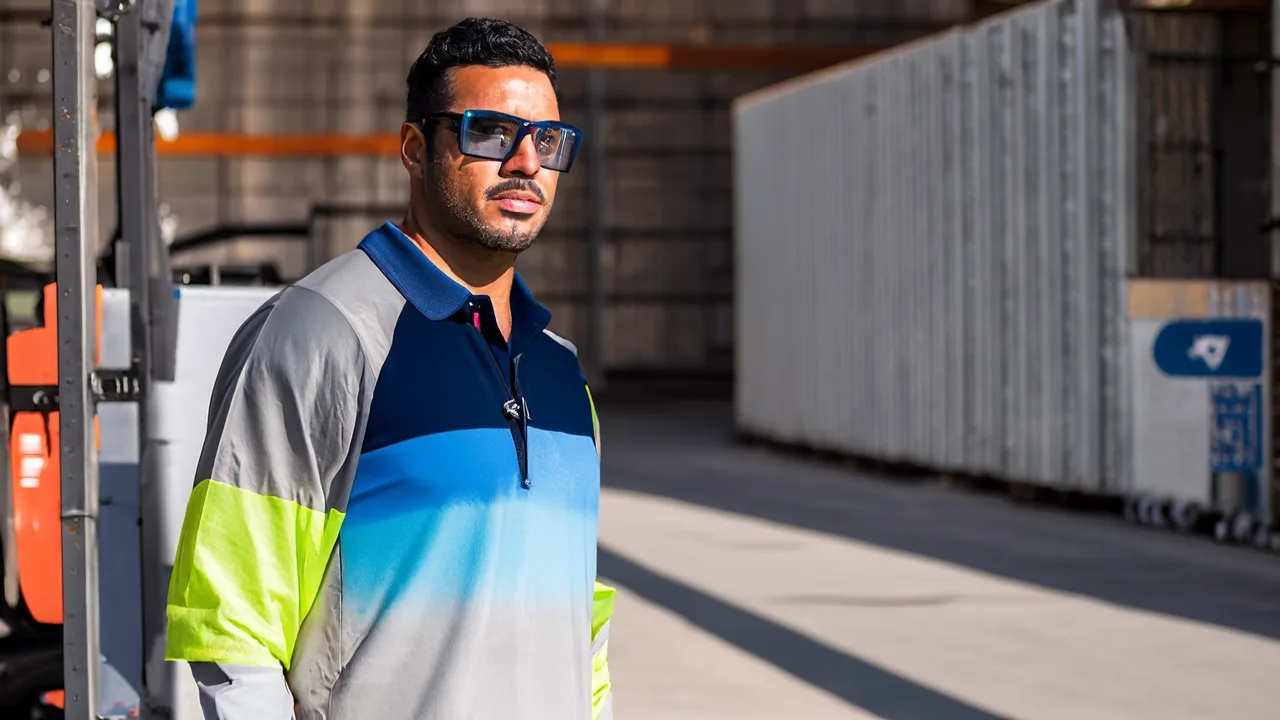
Logistics Polo Uniform
Breathable uniform polo for warehouse, delivery, and last-mile teams.
Construction Clothing
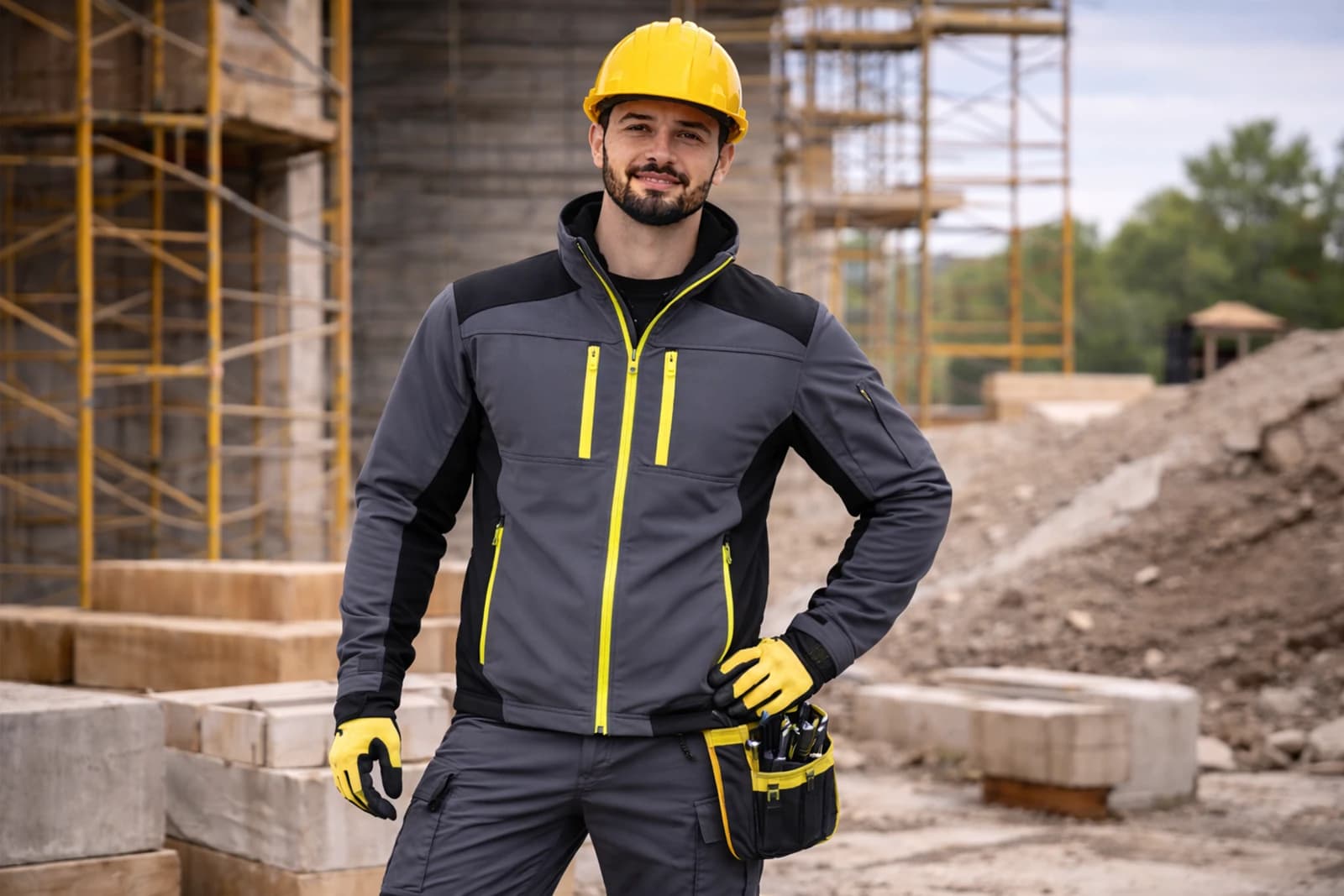
Construction Softshell Set
Flexible jacket and trouser set built for crews working across changing weather conditions.