Why Do Steel Fabrication Workers Face Burn Risks from Standard Workwear Fabric?
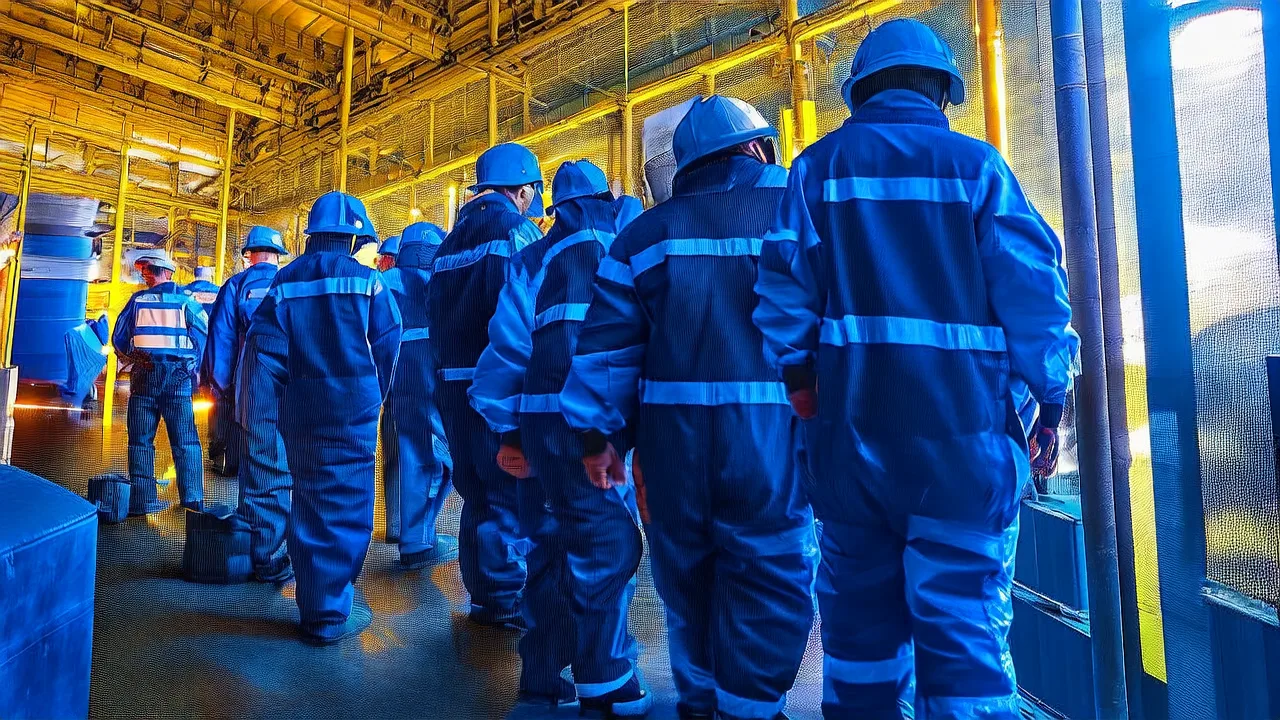
Steel fabrication welding, cutting, and grinding operations expose workwear to sparks and molten metal splash that melt synthetic fabrics and create burn injuries. Standard polyester and nylon workwear fabrics melt on contact with sparks, adhering to skin and causing severe burns, while cotton fabrics char but lack durability in heavy industrial environments. This article covers why synthetic fabrics melt under spark exposure, the fabric fiber content and weight tradeoffs buyers must evaluate, and specification criteria that provide spark resistance without creating heat stress in high-temperature fabrication shops.
Buyer context
What procurement teams run into
Steel fabrication facilities—performing structural steel welding, cutting, grinding, and assembly—expose workwear to sparks and molten metal splash that create a specific fabric failure mode: synthetic fabrics (polyester, nylon) melt when exposed to sparks, creating burn injuries, while cotton fabrics char but lack durability in heavy industrial environments. Workers in welding, cutting, and grinding operations face spark exposure throughout every shift, and standard workwear fabric specifications don't address the spark-resistance requirement. The mechanism: **1. Synthetic fabrics melt when exposed to sparks and molten metal splash, creating burn injuries** Polyester and nylon fabrics are thermoplastic—they melt when exposed to temperatures above their melting point (polyester melts at approximately 250-260°C, nylon at approximately 215-220°C). Welding sparks, cutting slag, and grinding particles reach temperatures of 1,500-2,000°C and remain hot enough to melt synthetic fabric when they contact garment surface. When synthetic fabric melts, it adheres to skin, creating severe burn injuries that are difficult to treat because melted fabric must be removed from burned tissue. The root cause: synthetic fabrics are designed for durability, moisture-wicking, and wrinkle resistance—not spark resistance. Polyester and nylon dominate workwear markets because they provide better abrasion resistance, color fastness, and dimensional stability than cotton. However, these same synthetic fibers create burn injury risks in steel fabrication environments where spark exposure is constant. Workers wearing polyester-dominant workwear (65% polyester, 35% cotton blends) face melt-on-contact risks during every welding, cutting, and grinding operation. **2. Cotton fabrics char rather than melt, providing better spark resistance but lacking durability** Cotton fibers are cellulosic—they char when exposed to high temperatures rather than melting. Cotton fabric exposed to welding sparks develops char marks (blackened areas where fiber has carbonized) but doesn't adhere to skin. Charred cotton can be brushed off, and the fabric beneath the char mark often remains intact. Cotton's char-rather-than-melt behavior provides significantly better spark resistance than synthetic fabrics. The root cause: cotton fabrics lack the durability, abrasion resistance, and dimensional stability that synthetic fabrics provide. Cotton workwear in steel fabrication environments experiences rapid wear from abrasion (contact with rough steel surfaces), repeated washing (removing oil, grease, and metal particles), and mechanical stress (bending, lifting, climbing). Cotton garments typically last 6-8 weeks in steel fabrication operations before showing excessive wear, compared to 12-16 weeks for polyester-dominant garments. The durability gap creates a tradeoff: cotton provides better spark resistance but requires more frequent replacement, increasing procurement costs. **3. High-temperature fabrication environments create heat stress that heavy fabric exacerbates** Steel fabrication shops are typically not climate-controlled. Ambient temperatures near welding stations, furnaces, and heating equipment can reach 35-45°C. Workers performing physical fabrication work (lifting steel, positioning components, operating equipment) generate metabolic heat. Heavy fabric (320+ gsm) reduces air permeability and traps heat against the body, creating heat stress, excessive sweating, and reduced productivity. The root cause: fabric weight and air permeability are inversely related. Heavier fabric has tighter construction and lower air permeability. Workers in hot fabrication environments cannot dissipate metabolic heat through heavy fabric, creating thermal discomfort and heat stress. Specifying heavier cotton fabric to address spark resistance creates a new problem—heat stress—that workers address by removing protective garments, rolling up sleeves, or reducing work time, all of which create safety and productivity risks. **4. Standard workwear specifications don't address spark-resistance requirements** Most workwear specifications focus on fabric weight (gsm), fiber content (polyester-cotton blend ratios), and durability (abrasion resistance, tensile strength) but don't specify spark-resistance requirements. Suppliers quote garments based on durability and cost criteria without addressing spark exposure risks. The buyer receives garments that meet durability specifications but create burn injury risks in welding, cutting, and grinding operations. The root cause: standard workwear specifications assume general industrial environments without specific hazard exposure. Steel fabrication environments have specific spark and molten metal splash hazards that require fabric fiber content specification (cotton-dominant or FR-treated cotton) rather than synthetic-dominant fabric. Without spark-resistance specification, suppliers optimize for durability and cost rather than spark resistance, creating burn injury risks. **5. The cost of getting it wrong** The buyer who specifies synthetic-dominant workwear for steel fabrication faces: - Burn injury risks (melting fabric adhering to skin during spark exposure) - Worker safety incidents (burn injuries requiring medical treatment and time off work) - Regulatory compliance risks (occupational safety regulations require protective clothing appropriate to hazard exposure) - Worker complaints and turnover (safety concerns leading to dissatisfaction and attrition) - Liability exposure (burn injuries creating workers' compensation claims and potential litigation) The buyer who specifies spark-resistant cotton-dominant workwear for steel fabrication faces: - Burn injury risks minimized (char-rather-than-melt fabric behavior protecting workers from spark exposure) - Worker safety maintained (fabric that doesn't adhere to skin during spark contact) - Regulatory compliance maintained (protective clothing appropriate to spark and molten metal splash hazards) - Increased replacement frequency (cotton garments lasting 6-8 weeks rather than 12-16 weeks) - Higher procurement costs (more frequent garment replacement increasing annual workwear budget)
Sourcing approach
How a factory partner can respond
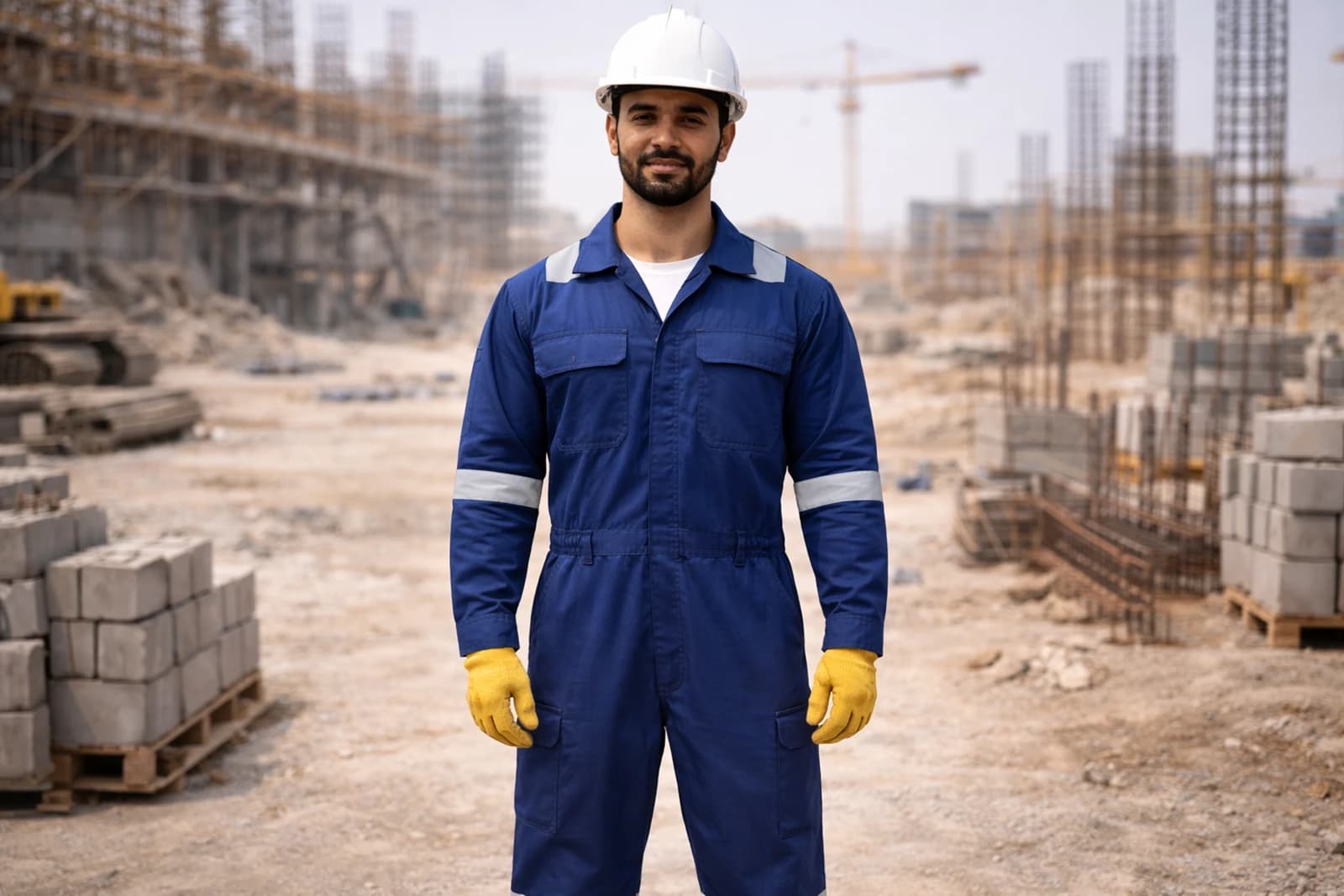
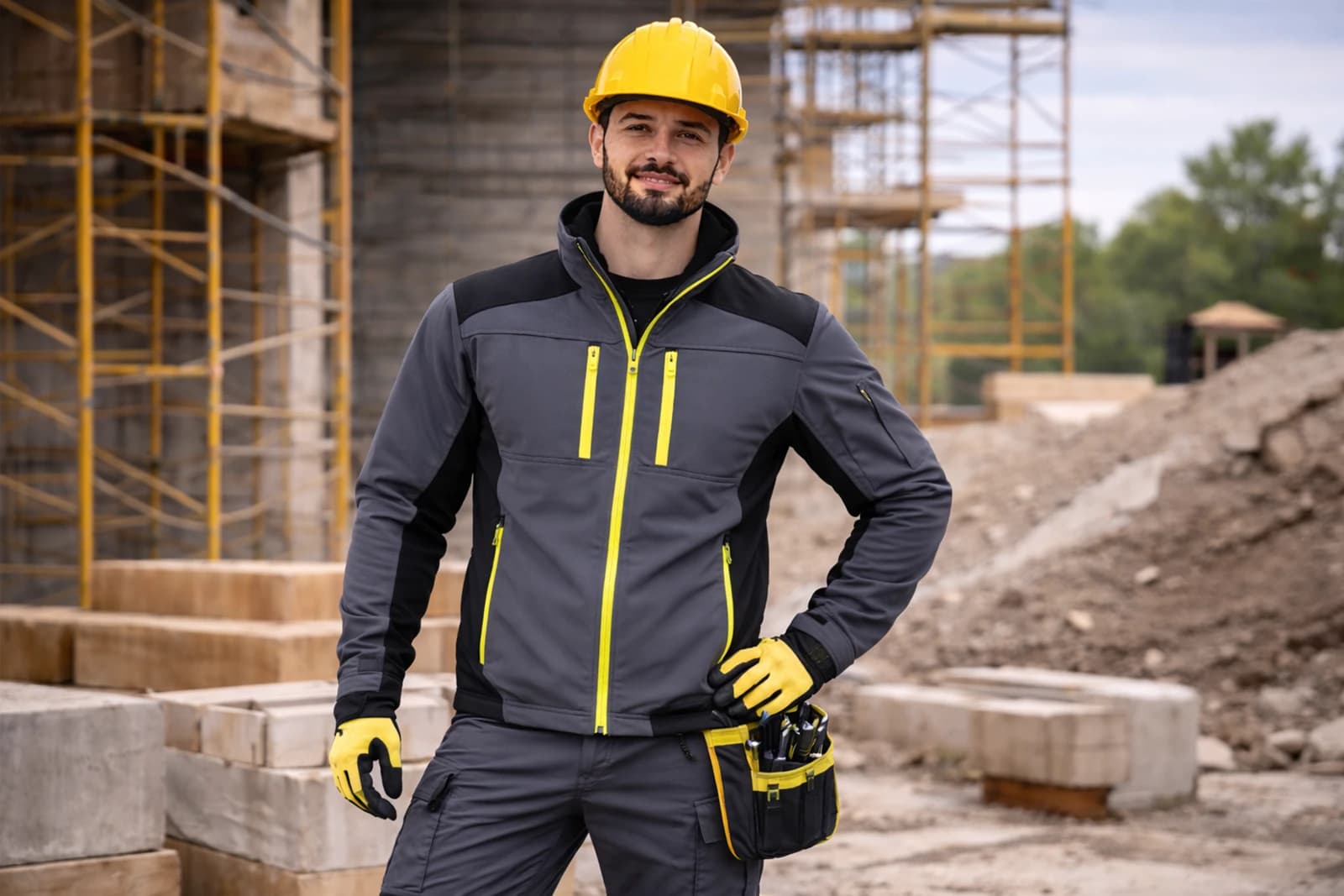
The solution is a steel fabrication workwear specification that balances spark resistance, durability, and thermal comfort through cotton-dominant or FR-treated fabric fiber content, medium fabric weight, and garment construction features that prevent spark entry. **Step 1: Specify cotton-dominant fabric fiber content (minimum 65% cotton) for welding, cutting, and grinding operations** Specify workwear fabric with cotton-dominant fiber content (minimum 65% cotton, 35% polyester or less) for workers performing welding, cutting, and grinding operations. Cotton-dominant fabric chars rather than melts when exposed to sparks, providing better spark resistance than synthetic-dominant fabric. The 65% cotton minimum ensures that fabric behavior is char-rather-than-melt under spark exposure. Request supplier testing data confirming fabric fiber content (cotton percentage) and fabric behavior under spark exposure. Some suppliers provide spark resistance testing data (fabric exposed to welding sparks and evaluated for melt, char, or ignition behavior). Specify fabric that chars rather than melts under spark exposure testing. **Step 2: Specify FR-treated cotton fabric for enhanced spark resistance and flame protection** For workers performing high-exposure welding operations (structural welding, heavy plate welding, overhead welding), specify FR-treated (flame-resistant) cotton fabric. FR-treated cotton fabric undergoes chemical treatment that provides enhanced flame resistance and spark resistance beyond untreated cotton. FR-treated cotton fabric self-extinguishes when ignition source is removed, providing additional protection against sustained spark contact or molten metal splash. Request supplier testing data confirming FR treatment and flame resistance performance (NFPA 2112 or equivalent standard for industrial flame-resistant garments). FR-treated cotton fabric provides better spark resistance than untreated cotton while maintaining char-rather-than-melt behavior. **Step 3: Specify medium fabric weight (260-280 gsm) that balances spark resistance with thermal comfort** Specify fabric weight in the 260-280 gsm range for steel fabrication workwear. This weight provides sufficient fabric mass to resist spark penetration (heavier than standard 200-240 gsm) while maintaining air permeability adequate for high-temperature fabrication environments where temperatures reach 35-45°C. Request supplier testing data for: - Fabric weight (gsm) — confirm 260-280 gsm range - Air permeability (mm/s or cm³/cm²/s) — confirm adequate air passage for thermal comfort in hot fabrication environments - Spark resistance testing — confirm fabric chars rather than melts under spark exposure The 260-280 gsm range provides better spark resistance than 240 gsm fabric without the heat stress burden of 320+ gsm heavy fabric. **Step 4: Specify garment construction features that prevent spark entry** Specify garments with construction features that prevent sparks from entering through garment openings: - Covered zipper closures (fabric flap covering zipper teeth) that prevent sparks from contacting zipper teeth and penetrating through zipper gaps - Enclosed seams (flat-felled or bound seams) that eliminate raw fabric edges where sparks can catch and ignite fabric - Reinforced cuff closures (button or elastic cuffs that close tightly around wrists) that prevent sparks from entering sleeve openings - High-neck collar construction that prevents sparks from entering at neck opening The construction features prevent spark entry through garment openings, reducing burn injury risks from sparks contacting skin at closure gaps. **Step 5: Set replacement criteria based on char damage rather than visible wear** With cotton-dominant fabric, sparks create char marks rather than melt damage. Set replacement criteria based on char damage density rather than visible wear: - Replace garments when char mark count exceeds 20-25 char marks per garment (char density reduces fabric integrity through accumulated damage) - Replace garments immediately when char marks occur at closure areas (zipper coverage, cuff closures, collar) where char damage creates direct skin exposure paths - Inspect garments weekly for char mark count and closure-area damage The char-count replacement criteria align with cotton fabric performance—garments serve through multiple spark contacts with char marks, and replacement occurs based on accumulated damage rather than single-event failure. **Step 6: Train workers on spark-resistance requirements and garment inspection** Train workers on spark-resistance requirements, the difference between char and melt behavior, and garment inspection for char damage: - Worker training: train workers on spark-resistance fabric behavior (char rather than melt), the importance of cotton-dominant fabric for spark protection, and how to inspect garments for char damage - Supervisor training: train supervisors on char-count replacement criteria, garment inspection protocols, and the importance of replacing garments before char damage creates skin exposure risks - Replacement communication: communicate replacement schedules to workers and supervisors in advance. Enable workers to request early replacement if they experience excessive char damage before scheduled replacement dates The training ensures that workers and supervisors understand spark-resistance requirements and garment inspection protocols, enabling proactive replacement and preventing burn injuries. **Recommended garments for steel fabrication workwear:** - **Industrial coverall-pro** — specify the coverall for welding, cutting, and grinding operations where workers face full-body spark and molten metal splash exposure. The coverall provides full-body coverage (torso, arms, legs) with single-garment protection that prevents sparks from contacting skin at waist gaps (shirt-trouser interface). Specify the coverall in 260-280 gsm cotton-dominant fabric (minimum 65% cotton) or FR-treated cotton fabric with covered zipper closure, enclosed flat-felled seams, and reinforced cuff closures that prevent spark entry. The coverall's full-body coverage, spark-resistant fabric, and enclosed seam construction make it suitable for steel fabrication operations where spark and molten metal splash exposure are critical hazards. - **Construction softshell set** — specify the softshell set for outdoor steel fabrication yard workers who face spark exposure combined with weather exposure. The softshell set (jacket and trouser) provides weather protection (wind resistance, light rain resistance) with spark-resistant fabric for workers handling steel materials outdoors. Specify the softshell set in 280 gsm cotton-dominant fabric with enclosed seams and covered closures that prevent spark entry. The softshell set's weather protection, spark-resistant fabric, and reinforced construction make it suitable for steel fabrication outdoor operations where spark resistance and weather protection are both required.
Recommended Products
Products that fit this use case
Industrial Workwear
Industrial Coverall Pro
Hard-wearing one-piece coverall for plant, maintenance, and heavy-duty operations.
Construction Clothing
Construction Softshell Set
Flexible jacket and trouser set built for crews working across changing weather conditions.