Why Do Workwear Pre-Production Samples Keep Failing Approval?
Pre-production samples are supposed to confirm that the garment specification is achievable before bulk production begins. But many buyers find themselves rejecting sample after sample — fabric weight is wrong, stitching quality is inconsistent, logo placement is off, closures don't match the spec. The problem is rarely the manufacturer's capability. It is usually the specification that the sample is being measured against. This article covers the sampling specification gaps that cause repeated approval failures and the process changes that reduce sampling cycles from months to weeks.
Buyer context
What procurement teams run into
Pre-production sampling is the stage where the buyer confirms that the manufacturer can produce the garment to the agreed specification before committing to bulk production. In theory, the process is straightforward: the buyer sends the specification, the manufacturer produces a sample, the buyer reviews the sample against the specification, and either approves or requests changes. In practice, many procurement teams find themselves trapped in extended sampling cycles — three, four, or five rounds of sampling and rejection — without clear progress toward an approved sample. The extended sampling cycle is not usually caused by manufacturer incompetence. It is caused by specification and process gaps that make it impossible for the manufacturer to produce a sample that meets the buyer's actual expectations — because those expectations were never clearly documented. **1. The specification is ambiguous on critical dimensions and details** Most workwear specifications define the garment at a high level: garment type, fabric composition, fabric weight, colour, sizes, and branding. The specification may include a technical drawing and a size chart. But the specification often leaves critical details undefined or ambiguous: - Stitch type and density: the specification may state "quality stitching" without defining the stitch type (lockstitch, overlock, chainstitch), stitches per centimetre (SPC), or seam finish. The manufacturer selects a stitch type and density that meets their standard — but the buyer expects a different standard. - Closure details: the specification may state "front zipper" without defining the zipper type (plastic, metal, invisible), zipper gauge (#5, #8, #10), zipper pull type, or whether the zipper is covered by a storm flap. The manufacturer produces a sample with a standard #5 plastic zipper — the buyer expected a #8 metal zipper with a storm flap. - Pocket construction: the specification may state "cargo pocket" without defining pocket dimensions, pocket flap closure type (snap, button, Velcro), pocket placement distance from seams, or whether the pocket is reinforced. The manufacturer produces a sample with a standard pocket — the buyer expects a reinforced pocket with a snap closure at a specific placement. - Seam finish: the specification may not define whether internal seams are overlocked, bound, or flat-felled. The manufacturer produces a sample with standard overlocked seams — the buyer expects flat-felled seams for durability or a cleaner internal finish. Each undefined detail is a decision that the manufacturer makes based on their standard practice. When the buyer reviews the sample, the manufacturer's standard does not match the buyer's unstated expectation — and the sample is rejected. The manufacturer then produces a revised sample based on the buyer's feedback — but the feedback addresses only the specific issue identified, not the underlying specification gap. The next sample may fix the zipper but introduce a new mismatch on pocket construction. **2. The sample is evaluated against unstated expectations** Many buyers evaluate pre-production samples against expectations that were never communicated to the manufacturer. The buyer may expect a specific hand feel of the fabric, a specific drape of the garment, a specific shade of colour under natural light, or a specific fit on a body type that was never shared with the manufacturer. These unstated expectations are not the manufacturer's fault. The manufacturer produces the sample to the written specification — and the specification does not include hand feel, drape, shade under specific lighting, or fit on a specific body type. The buyer rejects the sample for failing to meet expectations that were never documented. The result is a sampling cycle where the manufacturer addresses each specific rejection point but cannot anticipate the next unstated expectation. The cycle continues until the buyer either lowers their expectations to match the specification or communicates the unstated expectations — which should have been done before sampling began. **3. Fabric and trim selections are not locked before sampling** Some buyers begin sampling before the fabric and trim selections are finalised. The buyer requests a sample in "a similar fabric" to the target fabric, or asks the manufacturer to "propose fabric options." The manufacturer produces a sample in a fabric that is similar to — but not identical to — the buyer's target fabric. The buyer rejects the sample because the fabric is not correct — but the correct fabric was never specified or sent to the manufacturer. The same issue occurs with trims: zippers, buttons, snaps, elastic, reflective tape, and thread. If the trim selection is not locked before sampling, the manufacturer uses available standard trims. The sample is rejected because the trims do not match the buyer's expectation — an expectation that was never communicated. **4. Logo and branding placement is not specified with precision** Logo and branding are common rejection points in sampling. The specification may include a logo file and a general placement instruction ("left chest," "back yoke") — but does not define the exact placement dimensions, the logo size, the application method (embroidery, screen print, heat transfer), the thread colours (for embroidery), or the Pantone match (for printing). The manufacturer places the logo in a standard position at a standard size. The buyer rejects the sample because the logo is 5 mm too high, 10 mm too wide, or the embroidery thread colour does not match the brand colour. The rejection is valid — but the specification did not define the acceptance criteria for logo placement. **5. The approval process has no defined iteration limit or escalation path** Many sampling processes have no defined limit on the number of sampling iterations. The buyer can reject samples indefinitely without consequence — and the manufacturer continues to produce revised samples without knowing when the process will end. This creates a cycle where the manufacturer addresses each rejection point but cannot predict whether the next sample will be approved, because the buyer's expectations are not fully defined. The absence of an iteration limit also means that there is no escalation path when sampling stalls. The buyer and manufacturer continue to exchange samples and feedback without a mechanism to resolve fundamental specification disagreements. The sampling cycle extends for months — delaying bulk production and increasing cost for both parties. **6. Multiple stakeholders approve with different criteria** In many organisations, the sampling approval involves multiple stakeholders: procurement, safety, site operations, branding, and senior management. Each stakeholder reviews the sample against their own criteria — procurement checks cost compliance, safety checks protective features, site operations checks fit and comfort, branding checks logo accuracy, and senior management checks overall appearance. The problem is that each stakeholder may identify different issues — and the manufacturer receives consolidated feedback that includes conflicting or competing requirements. Site operations wants a looser fit for comfort; procurement wants a tighter fit to reduce fabric consumption. Branding wants a larger logo; senior management wants a smaller, more subtle logo. The manufacturer cannot satisfy all stakeholders simultaneously — and the sample is rejected by at least one stakeholder in each round. The result is a sampling cycle that extends not because the manufacturer cannot meet the specification, but because the buyer's organisation has not agreed on the specification internally.",
Sourcing approach
How a factory partner can respond
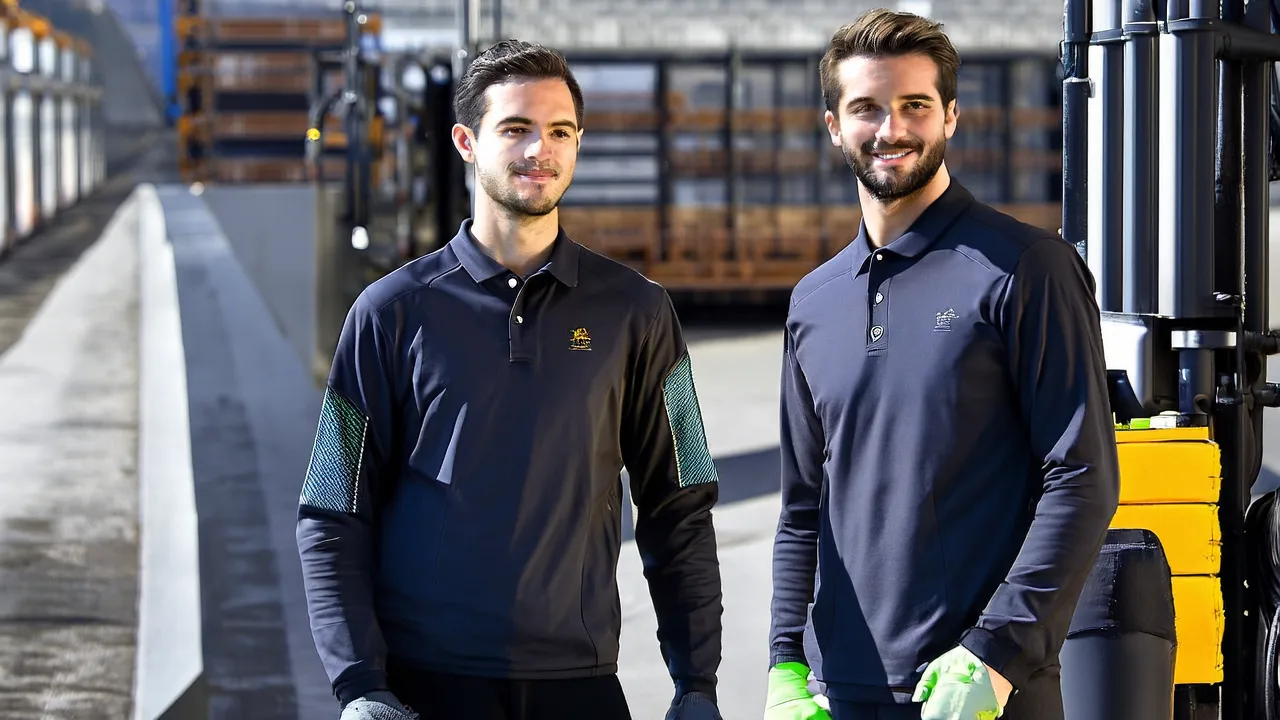
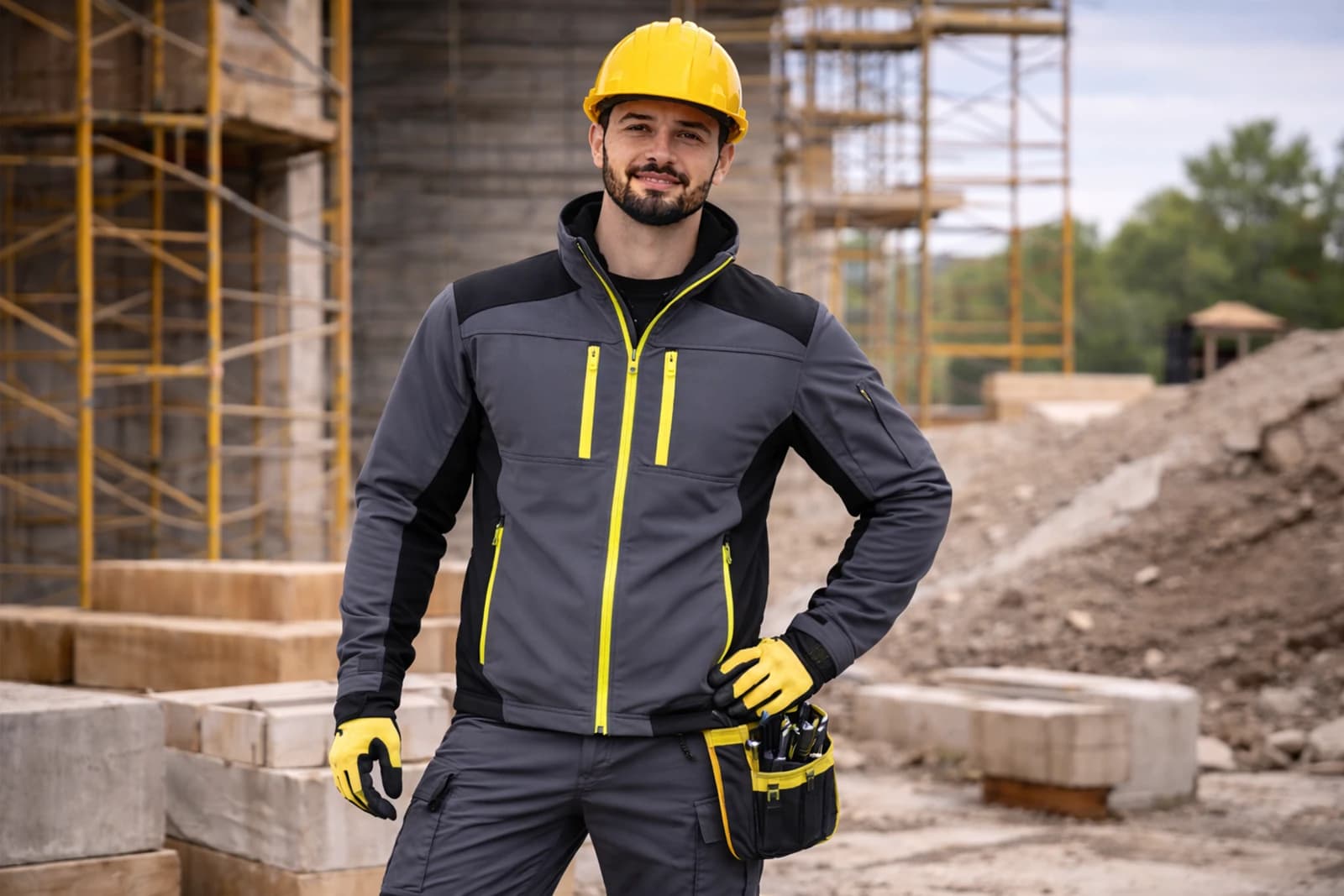
The solution is to close the specification and process gaps before sampling begins — so that the manufacturer produces a sample that can be evaluated against clear, documented, and agreed acceptance criteria. The goal is to reduce sampling cycles from months to two or three rounds maximum. **Step 1: Lock the complete specification before requesting samples** Before requesting a pre-production sample, confirm that the specification is complete and unambiguous on every detail that affects the garment's appearance, fit, and function: - Garment construction: define stitch type and density (e.g., lockstitch, 4 SPC minimum), seam finish (overlocked, bound, or flat-felled), and reinforcement requirements (e.g., bar-tack at pocket corners, double-needle stitching at stress points). - Closure details: define zipper type, gauge, pull type, and whether a storm flap is required. Define snap type, size, and finish. Define button type, size, and attachment method. - Pocket construction: define pocket dimensions (width × height), placement (distance from seams, zippers, and other features), closure type (snap, button, Velvo, zipper), and reinforcement requirements. - Fabric: confirm the fabric composition, weight, colour (with Pantone reference), and any treatment (water-repellent, flame-retardant, anti-static). Send a fabric swatch or head roll to the manufacturer if possible — do not rely on a written description alone. - Trims: confirm every trim element — zipper brand and type, snap brand and finish, thread colour (with Pantone reference), elastic type and width, reflective tape type and width, label content and placement. Send physical trim samples to the manufacturer if possible. The specification should be detailed enough that a manufacturer who has never worked with the buyer can produce a sample that meets every requirement — without making assumptions or defaulting to their standard practice. **Step 2: Define acceptance criteria for every element** For each element of the garment, define the acceptance criteria — the specific standard that the sample must meet to be approved: - Dimensional tolerance: define the acceptable deviation for each measurement (e.g., chest ±1 cm, sleeve length ±0.5 cm, inseam ±0.5 cm). Samples that fall within tolerance are accepted; samples outside tolerance are rejected with specific correction instructions. - Colour tolerance: define the acceptable colour deviation using a standard colour difference metric (e.g., Delta E ≤ 1.0 under D65 lighting). Samples that fall within tolerance are accepted. - Logo placement tolerance: define the acceptable deviation for logo position (e.g., ±3 mm from specified position), logo size (e.g., ±2 mm from specified dimensions), and colour match (e.g., Pantone match within Delta E ≤ 1.0). - Stitch quality: define the acceptance criteria for stitch quality — no skipped stitches, no loose threads, no uneven tension, minimum SPC as specified. Document the acceptance criteria in the specification — and share them with the manufacturer before sampling begins. The manufacturer should know exactly what standard the sample will be measured against. **Step 3: Use a pre-sampling checklist to confirm readiness** Before requesting a pre-production sample, complete a pre-sampling checklist that confirms every input is ready: - Specification is complete and unambiguous (all construction, closure, pocket, fabric, and trim details defined). - Acceptance criteria are defined for every element (dimensional tolerance, colour tolerance, logo placement tolerance, stitch quality). - Fabric is confirmed and available (fabric swatch or head roll sent to manufacturer, or fabric sourced from an approved supplier with confirmed availability). - Trims are confirmed and available (physical trim samples sent to manufacturer, or trims sourced from approved suppliers with confirmed availability). - Logo files are provided in the correct format (vector file for embroidery, high-resolution file for printing) with placement instructions (exact position, size, and colour references). - Internal stakeholders have agreed on the specification (procurement, safety, site operations, branding, and senior management have reviewed and signed off on the specification before sampling begins). If any item on the checklist is not complete, do not request the sample. Complete the input first. Requesting a sample before the inputs are ready guarantees a rejection — and extends the sampling cycle unnecessarily. **Step 4: Limit sampling iterations and define an escalation path** Define the maximum number of sampling iterations (typically two or three rounds) in the procurement agreement with the manufacturer. If the sample is not approved within the defined iterations, escalate the issue: - First iteration: standard sampling round. The manufacturer produces the sample, the buyer reviews against acceptance criteria, and provides feedback on any non-conformance. - Second iteration: the manufacturer produces a revised sample addressing the feedback from the first iteration. If the sample is approved, proceed to bulk production. If the sample is rejected, the buyer and manufacturer hold a joint review to identify the root cause of the continued non-conformance. - Third iteration (if required): the manufacturer produces a final revised sample. If the sample is not approved, escalate to senior management on both sides to resolve the specification disagreement or consider alternative manufacturers. The iteration limit creates urgency for both parties to resolve specification gaps early — rather than extending the sampling cycle indefinitely. **Step 5: Designate a single approval authority** For each garment type, designate a single approval authority who has the final decision on sample approval. The approval authority reviews feedback from all stakeholders (procurement, safety, site operations, branding) and makes a consolidated decision: approve, reject with specific corrections, or escalate. The single approval authority prevents the sampling cycle from extending due to conflicting stakeholder feedback. The authority resolves internal disagreements before communicating the decision to the manufacturer — so the manufacturer receives one clear decision, not multiple conflicting requests. **Step 6: Document sampling outcomes to improve future specifications** Record every sampling rejection, the reason for rejection, and the correction required. Use the data to identify recurring specification gaps: - If logo placement is rejected repeatedly, the logo placement specification process needs improvement — invest in precise placement templates and digital mockups before sampling. - If fabric hand feel is rejected repeatedly, the fabric selection process needs improvement — send physical fabric swatches to the buyer for approval before sampling, rather than relying on written descriptions. - If fit is rejected repeatedly, the size chart or pattern-making process needs improvement — invest in fit sessions with actual workers before sampling. Use the sampling outcome data to improve the specification process — so that future sampling cycles are shorter and more efficient. **Recommended garments where sampling discipline is critical:** - **Construction softshell set** — the softshell set includes multiple pieces (jacket and trouser) with complex construction details (bonded fabric, waterproof zippers, articulated knees, multiple pockets with different closure types). Each detail is a potential sampling rejection point. Specify the construction softshell set with a complete specification that defines every construction detail, closure type, pocket configuration, and trim selection — and confirm fabric and trim availability before requesting the sample. - **Logistics polo uniform** — the polo is a high-volume garment issued to large workforces. Sampling issues on a high-volume garment affect a large number of workers and create significant cost if discovered after bulk production. Specify the logistics polo uniform with precise acceptance criteria for fabric weight, colour, logo placement, collar construction, and sleeve length — and use a pre-sampling checklist to confirm all inputs are ready before requesting the sample.",
Recommended Products
Products that fit this use case
Construction Clothing
Construction Softshell Set
Flexible jacket and trouser set built for crews working across changing weather conditions.

Logistics Uniform
Logistics Polo Uniform
Breathable uniform polo for warehouse, delivery, and last-mile teams.