Why Does Water Treatment Workwear Fail When Operators Handle Chlorine in Summer Heat?
Water treatment operators rotate between chemical dosing tasks (handling chlorine, coagulants, pH adjustment chemicals) and outdoor plant rounds in summer heat. Standard workwear absorbs chemical splash and degrades, or resists chemicals but traps heat and causes heat stress. The root cause: chemical splash resistance and outdoor thermal comfort are specified as separate requirements, but the operator performs both tasks in the same shift wearing the same garment. This article covers the dual-task specification gap in water treatment workwear, the fabric criteria that address both chemical splash resistance and breathability, and the pilot protocol that validates dual performance before fleet commitment.
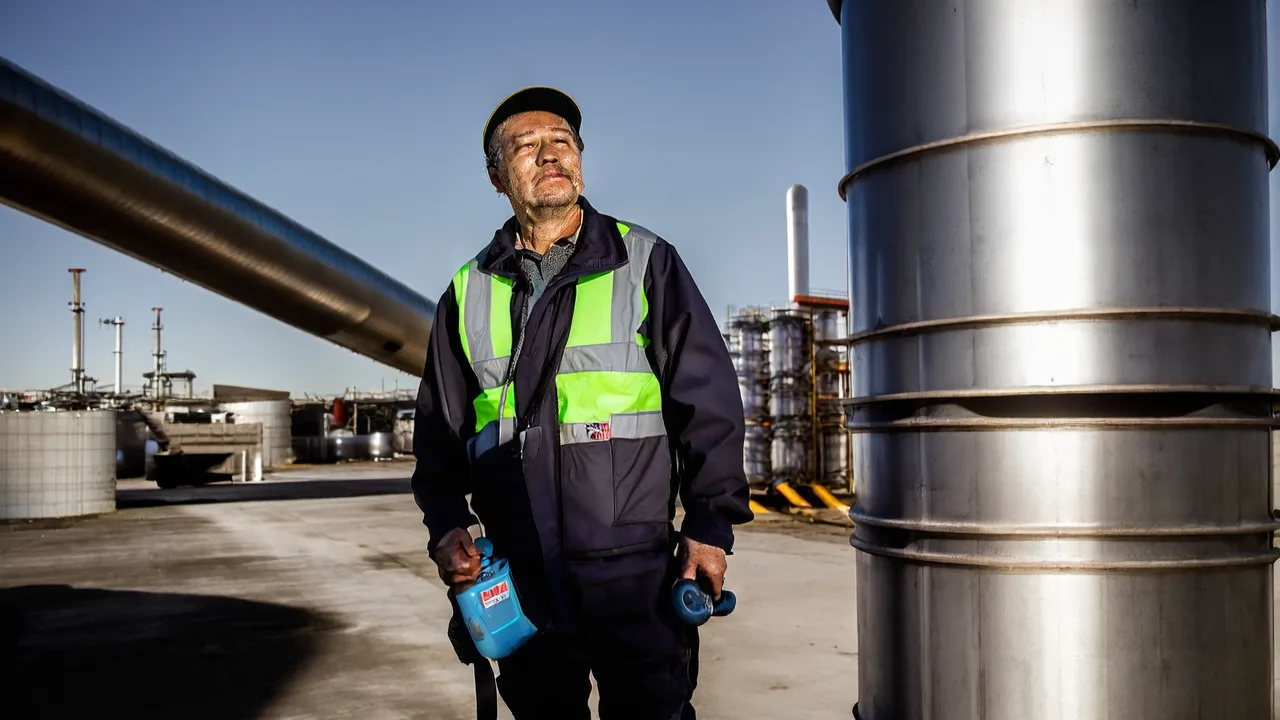
Buyer context
What procurement teams run into
Water treatment plant operators perform two distinct tasks in every shift: chemical dosing (handling chlorine solutions, coagulants like alum and ferric chloride, and pH adjustment chemicals like sulfuric acid and sodium hydroxide) and outdoor plant rounds (inspecting treatment basins, pump stations, reservoirs, and valve chambers in sun and heat). The operator wears the same garment for both tasks — and the garment must address both chemical splash risk and outdoor thermal exposure. But standard workwear fails at one or both tasks. **1. The dual-task environment in water treatment** Water treatment plant operators face multiple simultaneous chemical and thermal exposure scenarios: - **Chemical dosing areas:** Operators who handle chlorine cylinders, sodium hypochlorite solutions, alum and ferric chloride coagulants, and sulfuric acid or sodium hydroxide for pH adjustment face chemical splash risk. Splash contact degrades standard polyester-cotton fabric, causes skin burns, and compromises garment integrity. The chemical exposure is intermittent but intense — a single splash event can saturate fabric and cause skin contact within seconds. - **Outdoor plant rounds:** Operators who conduct rounds at treatment basins, reservoirs, pump stations, and valve chambers face sun exposure, ambient heat (often 35–45°C in summer), and high humidity from open water surfaces. The operator needs breathable fabric that allows sweat evaporation and heat dissipation. Outdoor rounds last 2–4 hours per shift, with continuous exposure to sun and heat. - **Confined space entry:** Operators who enter tanks, vessels, and underground valve chambers for inspection or maintenance face confined space hazards that require full-body coverage (coveralls) with chemical resistance (residual chemicals in confined spaces) and breathability (limited ventilation in confined spaces). Confined space entry tasks last 1–4 hours, with elevated heat and humidity inside the confined space. In all scenarios, the operator's garment must address both chemical splash resistance and outdoor thermal comfort simultaneously — addressing one task without addressing the other creates a specification gap that leads to garment failure or heat stress. **2. Standard chemical-resistant fabric fails on thermal comfort** Standard chemical-resistant garments are made from heavy impermeable fabric (coated polyester, PVC, rubber) designed for continuous chemical handling. The garment's chemical resistance: - **Impermeable barrier:** Standard chemical-resistant fabric creates a barrier against chemical penetration but traps heat and sweat. Operators wearing impermeable chemical-resistant coveralls during outdoor rounds in summer heat experience heat stress, sweat buildup, and discomfort. The garment protects against chemicals but causes thermal distress. The impermeable barrier prevents sweat evaporation, raising the operator's core body temperature and accelerating fatigue. - **Heavy weight:** Chemical-resistant fabric typically weighs 8–10 oz/yd² (270–340 g/m²), which is too heavy for outdoor work in 35–45°C heat. The garment's weight adds to thermal burden and accelerates fatigue. Operators wearing heavy chemical-resistant coveralls during outdoor rounds in summer heat experience heat exhaustion symptoms within 30–60 minutes. The operator wearing standard chemical-resistant fabric in a water treatment plant is protected from chemical splash during dosing tasks but experiences heat stress during outdoor rounds — the garment addresses one task but not the other. **3. Standard breathable fabric fails on chemical splash** Standard breathable workwear is made from lightweight polyester-cotton blend (4–5 oz/yd², 135–170 g/m²) designed for general industrial comfort. The garment's breathability: - **Open weave construction:** Standard breathable fabric allows air circulation and sweat evaporation but absorbs chemical splash. When chlorine solution, coagulant, or acid contacts the fabric, the chemical penetrates through the fabric to the operator's skin, causing burns or irritation. The open weave construction that provides breathability also allows chemical penetration. - **Cotton component:** Cotton absorbs moisture and chemicals, holding the chemical against the skin and prolonging contact. The garment is comfortable for outdoor rounds but fails during chemical dosing tasks. The cotton component absorbs chemical splash and holds it against the skin, increasing the severity and duration of chemical contact. The operator wearing standard breathable fabric in a water treatment plant is comfortable during outdoor rounds but experiences chemical splash penetration during dosing tasks — the garment addresses one task but not the other. **4. The procurement mistake: specifying for one task, not both** The most common procurement error is to specify chemical-resistant garments for dosing operators OR breathable garments for outdoor rounds, without specifying dual performance. The logic: "If the garment resists chemicals, it protects operators during dosing" or "If the garment is breathable, it keeps operators comfortable during outdoor rounds." But this logic addresses only one task and ignores the other. The buyer who specifies chemical-resistant fabric without breathability faces heat stress during outdoor rounds. The buyer who specifies breathable fabric without chemical resistance faces chemical splash penetration during dosing tasks. The buyer often procures two separate garments — one for dosing, one for rounds — and expects operators to change garments between tasks. But operators do not change garments between tasks: the changeover burden is too high, the changeover facility is not available at the plant, and the operator performs both tasks in continuous sequence. The result: operators wear the breathable garment for both tasks and accept chemical splash risk, or wear the chemical-resistant garment for both tasks and accept heat stress. **5. The dual-performance specification for water treatment workwear** The procurement specification for water treatment workwear must include both chemical splash resistance and breathability requirements: - **Chemical-resistant fabric with breathability:** Specify polyester fabric with chemical-resistant treatment that resists degradation from chlorine, coagulants, and pH adjustment chemicals. The fabric must have a chemical-resistant treatment that maintains fabric integrity after splash contact. Require the supplier to provide chemical resistance testing data (ASTM F739 or equivalent) for the specific chemicals used at the water treatment plant: chlorine, sodium hypochlorite, alum, ferric chloride, sulfuric acid, and sodium hydroxide. - **Moderate weight and breathability:** Specify fabric weight of 5–6 oz/yd² (170–200 g/m²) that balances chemical resistance and breathability. The fabric must have air permeability of 40–60 CFM per square foot for comfortable work in outdoor summer heat. Avoid heavy chemical-resistant fabric (8–10 oz/yd²) that causes heat stress, and avoid lightweight breathable fabric (3–4 oz/yd²) that absorbs chemical splash. - **Moisture-wicking construction:** Specify fabric with moisture-wicking properties that pull sweat away from the skin and allow evaporation. The fabric must manage sweat buildup during outdoor rounds in summer heat. Specify moisture vapor transmission rate (MVTR) of 5,000 g/m²/24h or higher. - **Chemical-resistant components:** Specify chemical-resistant thread for all seams (thread that resists degradation from chlorine and acids). Specify chemical-resistant zippers (plastic or coated metal zippers that resist corrosion from chemicals). Specify chemical-resistant snap buttons or hook-and-loop closures. No non-chemical-resistant components (standard metal zippers, standard elastic cuffs, non-resistant pocket lining) may be used — non-resistant components corrode or degrade when exposed to chemicals and compromise the garment's chemical resistance. **6. The pilot protocol for dual-performance water treatment workwear** Before committing to full fleet orders, pilot dual-performance garments with 10–15 operators in the highest-exposure tasks (chemical dosing, outdoor summer rounds, confined space entry) for 8–12 weeks: - **Chemical splash monitoring:** Monitor chemical splash incidents (garment degradation, discoloration, fiber breakdown, skin irritation) during the pilot period. Record whether dual-performance garments reduce chemical degradation compared to standard breathable garments. If a chemical splash incident occurs, inspect the garment for non-resistant components or fabric thinning that may have compromised chemical resistance. - **Thermal comfort monitoring:** Monitor heat stress incidents (sweat buildup, discomfort, heat exhaustion symptoms) during the pilot period. Record whether dual-performance garments reduce heat stress compared to standard chemical-resistant garments. If a heat stress incident occurs, investigate whether the fabric construction is limiting breathability or moisture wicking. Specify a more breathable construction or a better moisture-wicking finish — but re-test for chemical resistance to confirm that the adjustment does not compromise chemical performance. - **Garment durability monitoring:** Monitor garment durability (tears, punctures, seam failure, component damage) during the pilot period. Record whether dual-performance garments maintain durability compared to standard breathable garments. If durability issues occur, specify a more durable fabric or construction — but re-test for chemical resistance and breathability to confirm that the adjustment does not compromise dual performance. - **Wash-cycle tracking:** Track wash cycles for each garment during the pilot. Confirm that garments maintain both chemical resistance and breathability after 10, 25, and 50 wash cycles. Require the supplier to provide chemical resistance and breathability testing data for garment samples after 10, 25, and 50 wash cycles to confirm that dual performance is maintained throughout the garment's service life. **7. Adjusting the specification based on pilot data** After the pilot, adjust the garment specification: - **If chemical degradation occurs:** Investigate whether non-resistant components (zippers, elastic cuffs, thread) are compromising chemical resistance. Specify fully chemical-resistant components for all garment elements. Require the supplier to provide chemical resistance testing data for the complete garment, not just the fabric. - **If heat stress occurs:** Investigate whether the fabric construction is limiting breathability or moisture wicking. Specify a more breathable construction (mesh-lined vents, open-weave fabric in non-critical zones) or a better moisture-wicking finish. Ensure that the adjusted garment still meets chemical resistance requirements — validate with testing. - **If chemical resistance degrades after washing:** Investigate whether the chemical-resistant treatment is degrading with wash cycles. Specify a more durable chemical-resistant treatment (inherent chemical-resistant fiber rather than topical treatment). Require the supplier to provide chemical resistance testing data after 50 wash cycles to confirm that chemical resistance is maintained. - **If durability issues occur:** Investigate whether the dual-performance fabric is less durable than standard fabrics. Specify a more durable fabric construction or reinforce high-wear areas (knees, elbows, cuffs). Ensure that the adjusted garment still meets both chemical resistance and breathability requirements — validate with testing.
Sourcing approach
How a factory partner can respond
The solution for water treatment workwear is to specify dual-performance garments that address both chemical splash resistance and breathability simultaneously, implement a pilot protocol that validates dual performance in the water treatment environment, and establish an inspection and replacement protocol that maintains dual performance throughout the garment's service life. **Step 1: Specify dual performance in the procurement specification** Include the following requirements in the procurement specification: - **Chemical-resistant fabric with breathability:** Specify polyester fabric with chemical-resistant treatment that resists degradation from chlorine, coagulants, and pH adjustment chemicals. The fabric must have fabric weight of 5–6 oz/yd² (170–200 g/m²), air permeability of 40–60 CFM per square foot, and MVTR of 5,000 g/m²/24h or higher. Require the supplier to provide chemical resistance testing data (ASTM F739 or equivalent) for the specific chemicals used at the water treatment plant. - **Chemical-resistant components:** Specify chemical-resistant thread, chemical-resistant zippers, and chemical-resistant snap buttons or hook-and-loop closures. No non-chemical-resistant components are permitted. **Step 2: Pilot dual-performance garments before full fleet commitment** Before committing to full fleet orders, pilot dual-performance garments with 10–15 operators in the highest-exposure tasks (chemical dosing, outdoor summer rounds, confined space entry) for 8–12 weeks. Monitor chemical splash incidents, thermal comfort incidents, garment durability, and wash-cycle performance. Require the supplier to provide chemical resistance and breathability testing data for garment samples after 10, 25, and 50 wash cycles. **Step 3: Adjust the specification based on pilot data** After the pilot, adjust the garment specification based on chemical degradation data, thermal comfort data, garment durability data, and wash-cycle performance data. Specify fully chemical-resistant components if chemical degradation occurs. Specify a more breathable construction or better moisture-wicking finish if heat stress occurs — but re-test for chemical resistance. Specify inherent chemical-resistant fiber if chemical resistance degrades after washing. **Step 4: Establish an inspection and replacement protocol** Implement an inspection and replacement protocol that maintains dual performance throughout the garment's service life: - **Pre-wear inspection:** Workers inspect dual-performance garments before each wear for signs of chemical or thermal performance degradation: discoloration, fiber breakdown, thinning fabric, or damaged chemical-resistant treatment. A garment with signs of degradation must be removed from service immediately. - **Wash-cycle tracking:** Track wash cycles for each dual-performance garment. Specify garment replacement based on wash-cycle count (typically 30–50 wash cycles) or based on periodic chemical resistance and breathability testing. - **Periodic chemical resistance and breathability testing:** Require chemical resistance and breathability testing for garment samples after 10, 25, and 50 wash cycles to confirm that dual performance is maintained throughout the garment's service life. If the garment's chemical resistance or breathability degrades below the required threshold after 25 wash cycles, reduce the replacement interval to 20 wash cycles. **Recommended garments for water treatment workwear:** - **Industrial coverall-pro** — specify the coverall in dual-performance fabric (polyester with chemical-resistant treatment, moderate weight construction of 5–6 oz/yd², MVTR of 5,000 g/m²/24h or higher) for chemical dosing operators who need full-body chemical splash protection and breathability for outdoor rounds and confined space entry. The coverall provides full-body protection against chemical splash during dosing tasks, with breathable construction and moisture-wicking properties that manage heat and sweat during outdoor rounds in summer heat. Specify the coverall with chemical resistance and breathability testing data for the complete garment, not just the fabric. - **Hi-vis safety jacket** — specify the hi-vis jacket for outdoor plant rounds where visibility near plant vehicles and roadways is needed. The hi-vis jacket provides high-visibility protection without the thermal burden of a full coverall during routine outdoor rounds in summer heat. The hi-vis jacket is worn over the coverall or as a standalone visibility layer during outdoor rounds, providing ANSI/ISEA 107 Class 2 or Class 3 visibility compliance for operators working near plant vehicles, roadways, and traffic areas.
Recommended Products
Products that fit this use case

Industrial Workwear
Industrial Coverall Pro
Hard-wearing one-piece coverall for plant, maintenance, and heavy-duty operations.
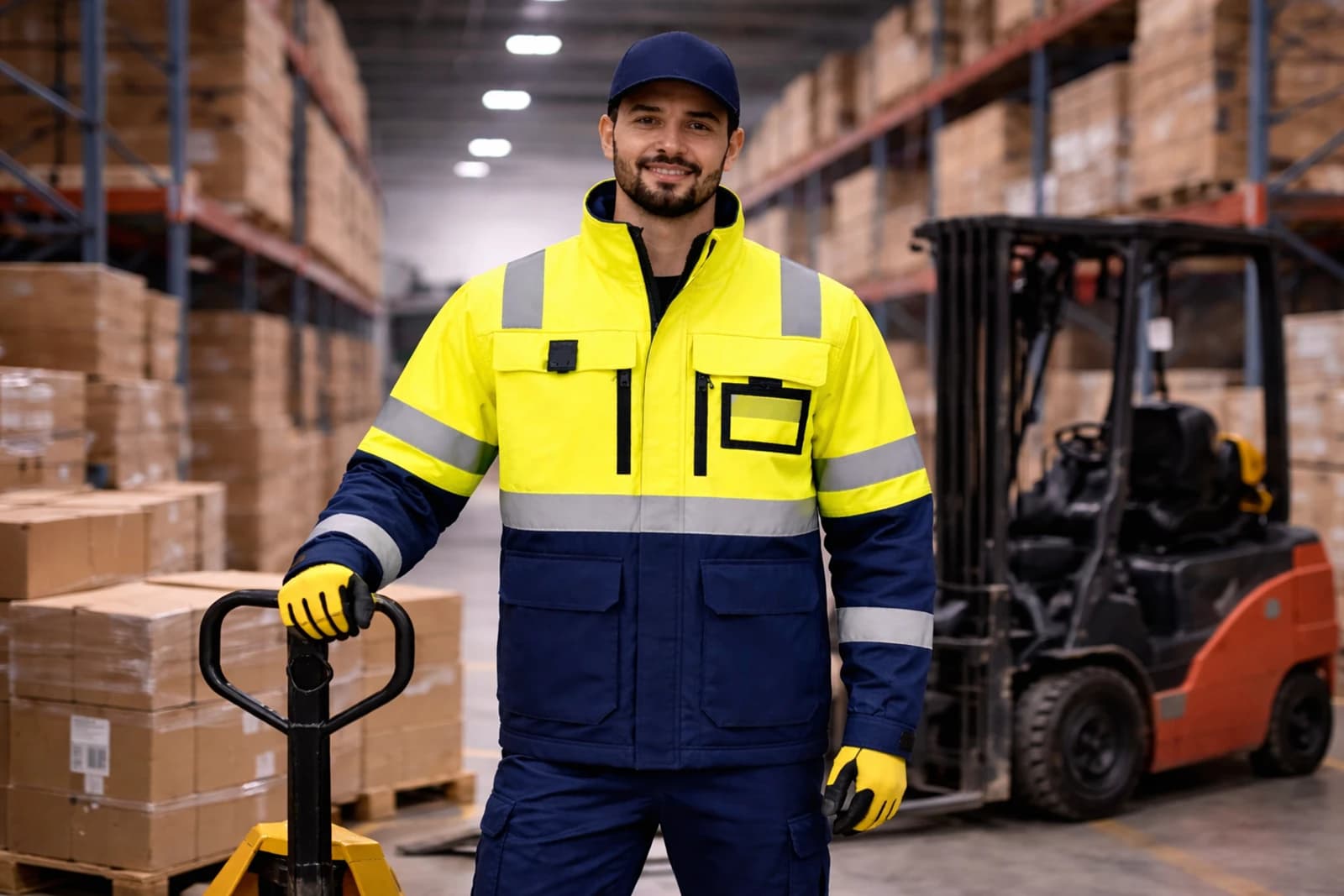
Safety Uniform
Hi-Vis Safety Jacket
Reflective safety jacket for high-visibility site operations and road work crews.