Workwear Sampling Approval for Water Treatment
Water treatment facilities often commit to full fleet orders based on catalog specifications and a single sample review — then discover garment failures during actual operation that sampling should have caught. Chemical exposure, wet environments, and visibility requirements create specific workwear constraints that only real-use sampling can validate. This article covers how to structure a sampling approval process that tests fabric durability, construction integrity, visibility compliance, and worker comfort before committing to a full fleet order.
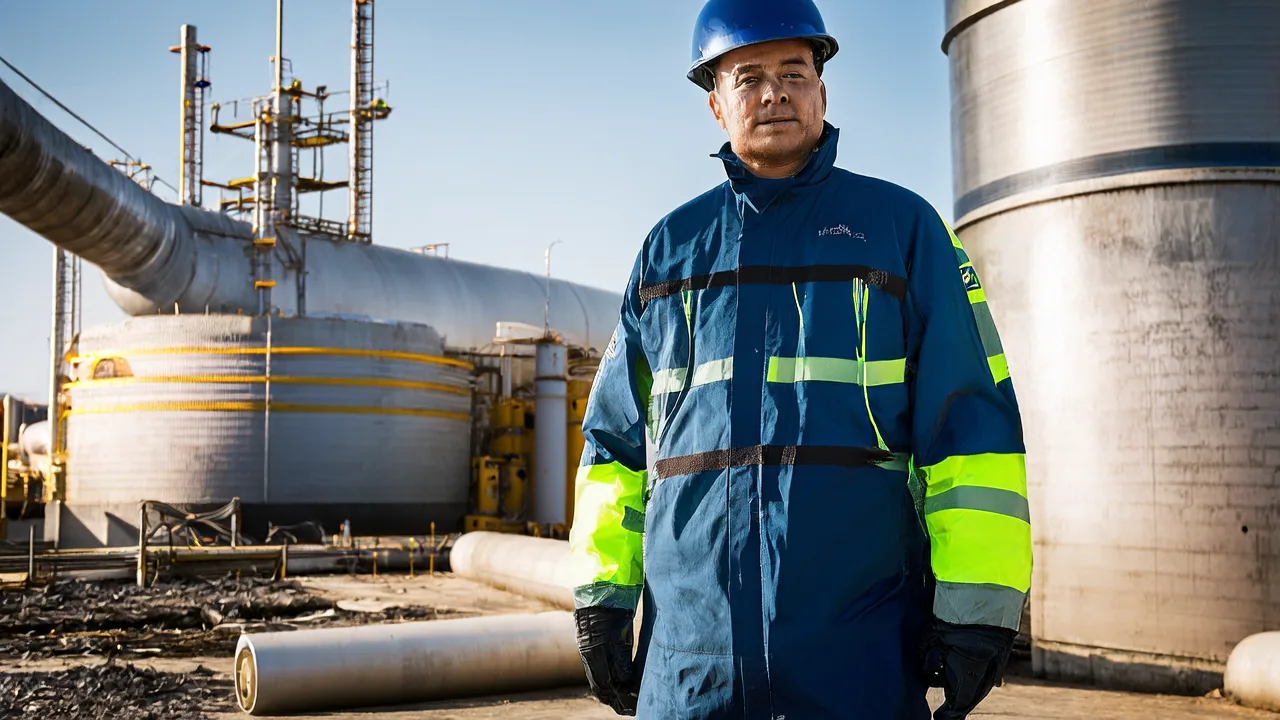
Buyer context
What procurement teams run into
Water treatment facilities face a procurement challenge that generic workwear specifications do not address: the combination of chemical exposure (chlorine, hypochlorite, coagulants), sustained wet environments, and visibility requirements for outdoor and vehicle proximity areas creates a workwear constraint that is difficult to validate through catalog review alone. Many buyers commit to full fleet orders based on fabric data sheets and a single sample review — then discover garment failures during actual operation that a structured sampling approval process should have caught. **1. Chemical exposure determines fabric selection — but data sheets do not tell the full story** Water treatment workers are exposed to a range of chemicals during normal operations: chlorine gas or hypochlorite solutions (used for disinfection), aluminium chloride or ferric chloride (used as coagulants), sulphuric acid or sodium hydroxide (used for pH adjustment), and ammonia (used for chloramination). These chemicals create a fabric degradation challenge that varies by concentration, exposure duration, and contact method (splash vs. vapour vs. sustained immersion). Fabric data sheets typically provide chemical resistance ratings based on standardized tests (e.g., EN 14325 for chemical protective clothing) — but these tests measure resistance to sustained immersion at specific concentrations, not the intermittent splash exposure that characterizes water treatment work. A fabric that resists 10% sulphuric acid for 8 hours of sustained immersion may degrade after 20–30 intermittent splash exposures over a 3-month period, because each splash creates a localized chemical concentration that attacks the fabric's fibre structure, and the repeated attack accumulates damage. The buyer who selects a fabric based solely on the data sheet's chemical resistance rating may specify a garment that passes the laboratory test but fails in actual water treatment operation. The sampling approval must test the fabric under realistic exposure conditions — not just the standardized immersion test. **2. Wet environments create fabric degradation that dry-environment tests do not capture** Water treatment workers operate in sustained wet environments: pump rooms with condensation and splash, clarification basins where workers are within 2–3 metres of open water channels, and sludge handling areas where workers contact wet biological material. A garment worn in these environments is exposed to sustained moisture that creates degradation mechanisms not captured in standard fabric durability tests: - **Hydrolysis:** Polyester and cotton fibres degrade when exposed to sustained moisture combined with elevated temperatures (pump rooms often operate at 25–30°C with 85–95% relative humidity). Hydrolysis breaks the polymer chains in the fibre, reducing tensile strength. A fabric that passes a 75-wash-cycle durability test in a controlled laundry may degrade after 40–50 wash cycles when worn in a sustained wet environment, because the between-wash moisture exposure accelerates hydrolysis. - **Microbial growth:** Wet fabrics in warm environments support microbial growth (mould, mildew, bacteria) that stains the fabric, creates odour, and degrades fibre integrity. Standard industrial workwear fabrics do not include antimicrobial treatments — and the buyer who specifies a standard fabric for water treatment workwear will see garments developing microbial staining and odour within 3–4 weeks of operation. - **Zipper and closure corrosion:** Metal zippers and closures corrode when exposed to sustained moisture combined with chemical splash (chlorine and hypochlorite accelerate corrosion). A standard metal zipper that functions after 75 wash cycles in a controlled laundry may seize or corrode after 20–30 wash cycles when worn in a water treatment environment. The sampling approval must test closures under realistic moisture and chemical exposure conditions. **3. Visibility requirements for outdoor and vehicle proximity areas create a compliance constraint** Water treatment facilities include outdoor areas where workers operate near vehicles (chemical delivery trucks, sludge removal vehicles, maintenance equipment) or near open water channels where visibility is critical for safety. Workers in these areas require hi-vis garments meeting EN ISO 20471 Class 2 minimum — but the hi-vis garment must also resist chemical exposure and wet environments. The challenge: standard hi-vis garments use retroreflective tape that is not rated for chemical exposure. Chlorine and hypochlorite splash degrades the tape's retroreflective coating, reducing luminance below the EN ISO 20471 minimum after 15–20 wash cycles in a water treatment environment. The buyer who specifies a standard hi-vis jacket for water treatment workers will see the jacket's visibility compliance degrade within 2–3 months — creating a safety compliance gap. The sampling approval must test the hi-vis garment's retroreflective tape under realistic chemical exposure conditions — not just the standard wash durability test. **4. Fit and comfort must be validated under actual work conditions — not just a static fitting** Water treatment workers perform a range of physical tasks: climbing ladders to access elevated tanks, bending and reaching to operate valves, kneeling to inspect pump seals, and walking long distances across the facility. A garment that fits well during a static fitting (the worker stands still while the buyer checks sleeve length and waist fit) may restrict movement or create discomfort during actual work tasks. The sampling approval must include a dynamic fit test: the worker performs the actual tasks they will perform during a shift (climbing, bending, reaching, kneeling, walking) while wearing the sample garment. The buyer observes whether the garment restricts movement, creates pressure points, or exposes skin at the waist or wrists during movement. A garment that passes the static fitting but fails the dynamic fit test will be rejected by workers during actual operation — and the buyer will need to re-specify the garment after full fleet delivery, creating delay and cost. **5. How to structure the sampling approval process** The sampling approval process should follow a structured sequence that tests the garment under realistic conditions before committing to a full fleet order: **Step 1: Define the specification requirements based on zone and task** Map each area of the water treatment facility to its workwear requirements: - Chemical handling zones (chemical storage, dosing rooms): fabric must resist chemical splash from the specific chemicals used in that zone - Wet environment zones (pump rooms, clarification basins, sludge handling): fabric must resist sustained moisture, hydrolysis, and microbial growth - Outdoor and vehicle proximity zones (chemical delivery areas, maintenance yards): garment must meet EN ISO 20471 Class 2 hi-vis requirements - General maintenance zones (workshops, electrical rooms): standard industrial workwear is acceptable For each zone, specify the fabric type, garment construction, visibility requirements, and closure type. **Step 2: Request samples from 2–3 suppliers for each garment type** For each garment type (coverall for chemical/wet zones, hi-vis jacket for outdoor zones, polo for general maintenance), request samples from 2–3 suppliers. The samples should be manufactured to the specified fabric, construction, and closure requirements — not catalog stock that may differ from the production garment. **Step 3: Conduct a 4–6 week sampling trial with actual workers** Issue the sample garments to 5–10 workers per zone for 4–6 weeks of actual operation. The workers should wear the garments during normal shifts — not just for a supervised fitting. Collect data on: - Fabric condition after 10–15 wash cycles (check for chemical degradation, hydrolysis, microbial staining) - Closure function after 10–15 wash cycles (check for zipper corrosion, button breakage) - Retroreflective tape luminance after 10–15 wash cycles (for hi-vis garments, measure luminance with a retroreflectometer to confirm it meets EN ISO 20471 minimum) - Worker feedback on fit, comfort, and mobility during actual tasks - Any garment failures (tears, seam separation, closure failure) **Step 4: Evaluate the sampling data against pass/fail criteria** Define pass/fail criteria before the sampling trial: - Fabric: no visible chemical degradation, hydrolysis, or microbial staining after 15 wash cycles; tensile strength retention ≥90% of original - Closures: zippers function smoothly after 15 wash cycles; no visible corrosion; buttons do not break - Hi-vis: retroreflective tape luminance ≥ EN ISO 20471 minimum after 15 wash cycles - Fit: no worker reports of restricted movement or discomfort during dynamic fit test - Failures: no garment failures (tears, seam separation) during the 4–6 week trial If a sample garment fails any criterion, do not commit to a full fleet order from that supplier. Request a revised sample with adjusted fabric, construction, or closure — and repeat the sampling trial. **Step 5: Commit to full fleet order only after sampling approval** Once the sampling trial confirms that the garment meets all pass/fail criteria, commit to a full fleet order. The sampling data provides confidence that the garment will perform in actual water treatment operation — not just in a controlled laboratory test or static fitting. **6. The procurement benefit: avoiding garment failures after fleet delivery** The cost of a structured sampling approval (2–3 sample garments per supplier, 4–6 weeks of trial, data collection and evaluation) is typically 5–10% of the full fleet order cost. The cost of committing to a full fleet order without sampling approval — and discovering garment failures during operation — is 20–30% of the fleet order cost (re-specifying, re-ordering, and replacing failed garments, plus operational delay). The sampling approval is not a delay tactic — it is a risk mitigation step that ensures the garment specification matches the actual workwear constraints of water treatment operation.
Sourcing approach
How a factory partner can respond
The solution for water treatment workwear procurement is a structured sampling approval process that tests fabric durability, construction integrity, visibility compliance, and worker comfort under realistic operating conditions before committing to a full fleet order. **Step 1: Define specification requirements by zone and task** Map each area of the water treatment facility to its workwear requirements: - Chemical handling zones (chemical storage, dosing rooms): specify fabric resistant to chemical splash from the specific chemicals used (chlorine, hypochlorite, coagulants, pH adjustment chemicals) - Wet environment zones (pump rooms, clarification basins, sludge handling): specify fabric resistant to sustained moisture, hydrolysis, and microbial growth; consider antimicrobial treatment - Outdoor and vehicle proximity zones (chemical delivery areas, maintenance yards): specify hi-vis garment meeting EN ISO 20471 Class 2 with chemical-resistant retroreflective tape - General maintenance zones (workshops, electrical rooms): standard industrial workwear is acceptable **Step 2: Request samples from 2–3 suppliers per garment type** For each garment type, request samples from 2–3 suppliers. Samples must be manufactured to the specified fabric, construction, and closure requirements — not catalog stock. Specify that samples are for sampling approval, not production, to ensure suppliers provide representative garments. **Step 3: Conduct a 4–6 week sampling trial with actual workers** Issue sample garments to 5–10 workers per zone for 4–6 weeks of actual operation. Collect data on: - Fabric condition after 10–15 wash cycles (chemical degradation, hydrolysis, microbial staining) - Closure function after 10–15 wash cycles (zipper corrosion, button breakage) - Retroreflective tape luminance after 10–15 wash cycles (for hi-vis garments) - Worker feedback on fit, comfort, and mobility during actual tasks - Garment failures (tears, seam separation, closure failure) **Step 4: Evaluate sampling data against pass/fail criteria** Define pass/fail criteria before the trial: - Fabric: no visible degradation after 15 wash cycles; tensile strength retention ≥90% - Closures: zippers function smoothly; no visible corrosion; buttons do not break - Hi-vis: retroreflective tape luminance meets EN ISO 20471 minimum after 15 wash cycles - Fit: no restricted movement or discomfort during dynamic fit test - Failures: no garment failures during the 4–6 week trial If a sample fails any criterion, request a revised sample and repeat the trial. **Step 5: Commit to full fleet order only after sampling approval** Once sampling confirms the garment meets all criteria, commit to full fleet order. The sampling data provides confidence the garment will perform in actual water treatment operation. **Recommended garments for water treatment workwear sampling:** - **Industrial coverall-pro** — specify the 220 GSM TC ripstop version with chemical-resistant finish for chemical handling and wet environment zones. Specify corrosion-resistant coated metal zippers rated for wet environments. For workers in zones with microbial growth risk, specify an antimicrobial treatment. The coverall provides chemical splash resistance and wet-environment durability while maintaining comfort for physical tasks. - **Hi-vis safety jacket** — specify the EN ISO 20471 Class 2 version with chemical-resistant retroreflective tape for outdoor and vehicle proximity zones. The tape must maintain luminance after 15+ wash cycles in water treatment chemical exposure conditions. Specify a tight-weave polyester shell with DWR finish to shed moisture and chemical splash. The jacket provides visibility compliance while resisting the chemical and moisture degradation that standard hi-vis garments cannot withstand.
Recommended Products